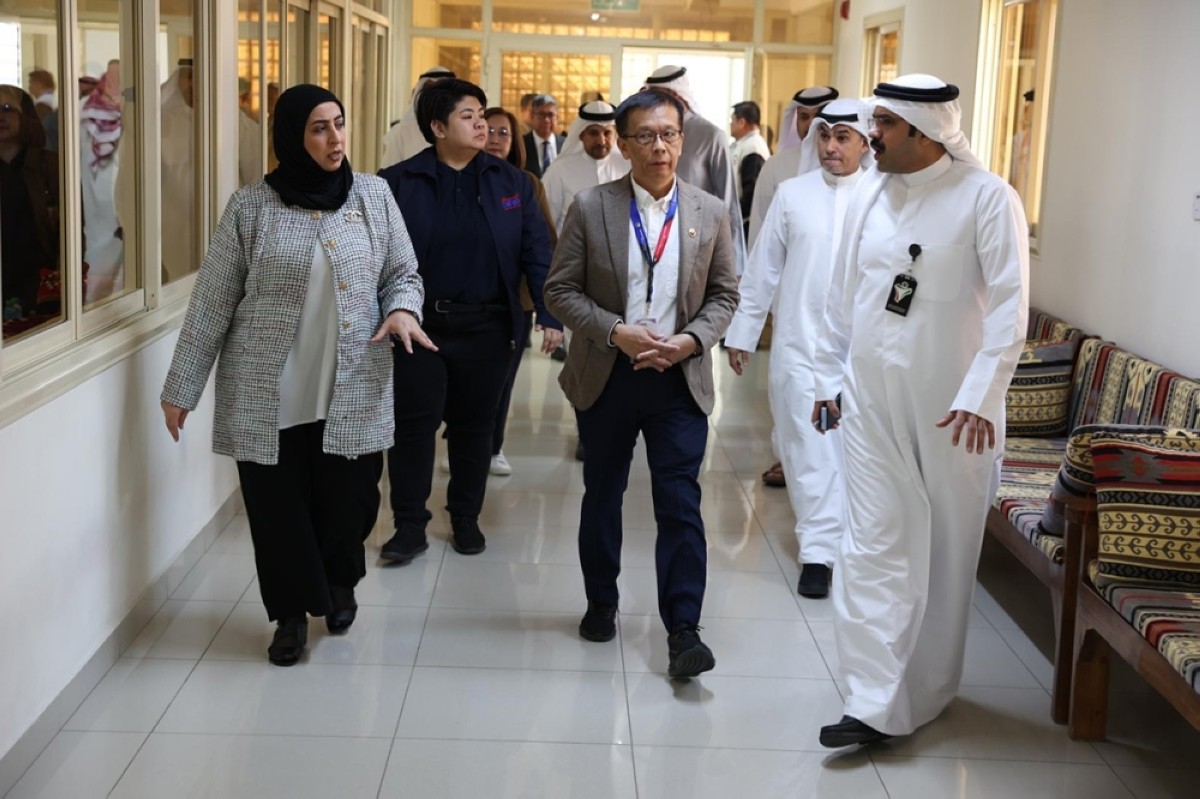

The welfare of Filipino migrant workers remains a top priority for the Philippines, and recent diplomatic efforts reflect this commitment. This was clearly demonstrated during the visit of Department of Migrant Workers Secretary Hans Leo Cacdac to a shelter in Kuwait for expatriate workers, where he observed firsthand the robust support system in place for distressed OFW Kuwait and lauded the nation’s efforts towards worker protection. The visit underlines the continued strengthening of ties between the two countries concerning labor migration.
Strengthening Protections for Overseas Filipino Workers in Kuwait
Secretary Cacdac’s Saturday visit to the shelter in Jleeb Al-Shuyoukh focused on assessing the rehabilitation and social services offered to female expatriate workers, predominantly domestic helpers. He was warmly received by Rabab Al-Ossaimi, the acting head of Kuwait’s Public Authority of Manpower, who provided a comprehensive briefing on the legal assistance and social care provided to the shelter’s residents. This detailed overview allowed the Secretary to gain a thorough understanding of the challenges faced by these workers and the mechanisms Kuwait has established to address them.
A Vital Center for Distressed Workers
Established in 2010, the Jleeb Al-Shuyoukh shelter has become a crucial resource for thousands of female workers facing difficulties with their employers. These challenges can range from contract violations and unfair working conditions to more serious allegations of abuse. The center doesn’t just offer temporary refuge; it actively works towards solutions, primarily through rehabilitation programs designed to equip these women with the skills and support needed to re-enter the domestic labor market, or to facilitate safe repatriation.
The availability of such centers is vital when considering the large numbers of domestic workers in Kuwait, with over 700,000 employed, the vast majority originating from Asia – particularly India, Sri Lanka, and the Philippines.
Cacdac Commends Kuwait’s Efforts and Highlights Bilateral Cooperation
Secretary Cacdac expressed deep appreciation for the dedication of the center’s staff in enhancing social protection and upholding the labor rights of expatriate workers. He specifically acknowledged the positive impact of the rehabilitation services, noting their success in helping a substantial number of women find renewed opportunities.
He also stressed the importance of continued, strong collaboration between the Philippines and Kuwait, especially considering the 230,000+ Filipino citizens currently working and residing in Kuwait. This concerns not only the preventative measures against worker exploitation, but also the prompt and efficient resolution of any issues that do arise. Supportive diplomatic relations are key to ensuring a safe and dignified experience for Filipino expats.
Addressing Past Tensions & Future of Labor Agreements
The relationship between Kuwait and the Philippines regarding labor migration hasn’t always been smooth. Over recent years, several strains have emerged, often centering around reports of abuse faced by Filipino workers and subsequent demands from the Philippine government for greater protections.
Notably, around two years ago, Kuwait implemented a complete ban on the recruitment of Filipino workers following a particularly difficult situation involving a worker and diplomatic intervention. However, through dedicated dialogue and a commitment to addressing the core concerns, the situation was successfully resolved, and the recruitment of domestic helpers Kuwait from the Philippines was reinstated.
This period of tension served as a catalyst for both nations to re-evaluate and strengthen their existing labor agreements. The current focus is on ensuring these agreements are fully enforced and that mechanisms are in place for regular monitoring and review to adapt to evolving challenges. This includes streamlining the process for reporting grievances and providing quicker access to legal aid for Filipino workers.
Focusing on Preventative Measures
While the shelter provides essential care, both governments recognize the need to prioritize preventative measures. This involves improved pre-departure orientation programs for Filipino workers, emphasizing their rights, responsibilities, and available resources in Kuwait. Improved screening of recruitment agencies in both countries is also being discussed, to ensure ethical practices and minimize the risk of exploitation. Investing in education and training opportunities for Filipino domestic workers is another key aspect, boosting their skills and increasing their market value.
Ensuring a Positive Future for Migrant Workers
Secretary Cacdac’s visit represents a significant step in solidifying the partnership between the Philippines and Kuwait in protecting the rights and well-being of migrant workers. The focus on rehabilitation, legal support, and preventative measures demonstrates a shared commitment to creating a more ethical and sustainable labor migration system.
Moving forward, continued dialogue, transparent communication, and rigorous implementation of existing agreements will be critical to addressing ongoing challenges and fostering a truly positive environment for all OFW in Kuwait. The success of these initiatives ultimately rests on a collective effort from both governments, recruitment agencies, and employers to prioritize the dignity and safety of these vulnerable workers. Readers interested in learning more about the Department of Migrant Workers can visit their official website for updated information and resources.