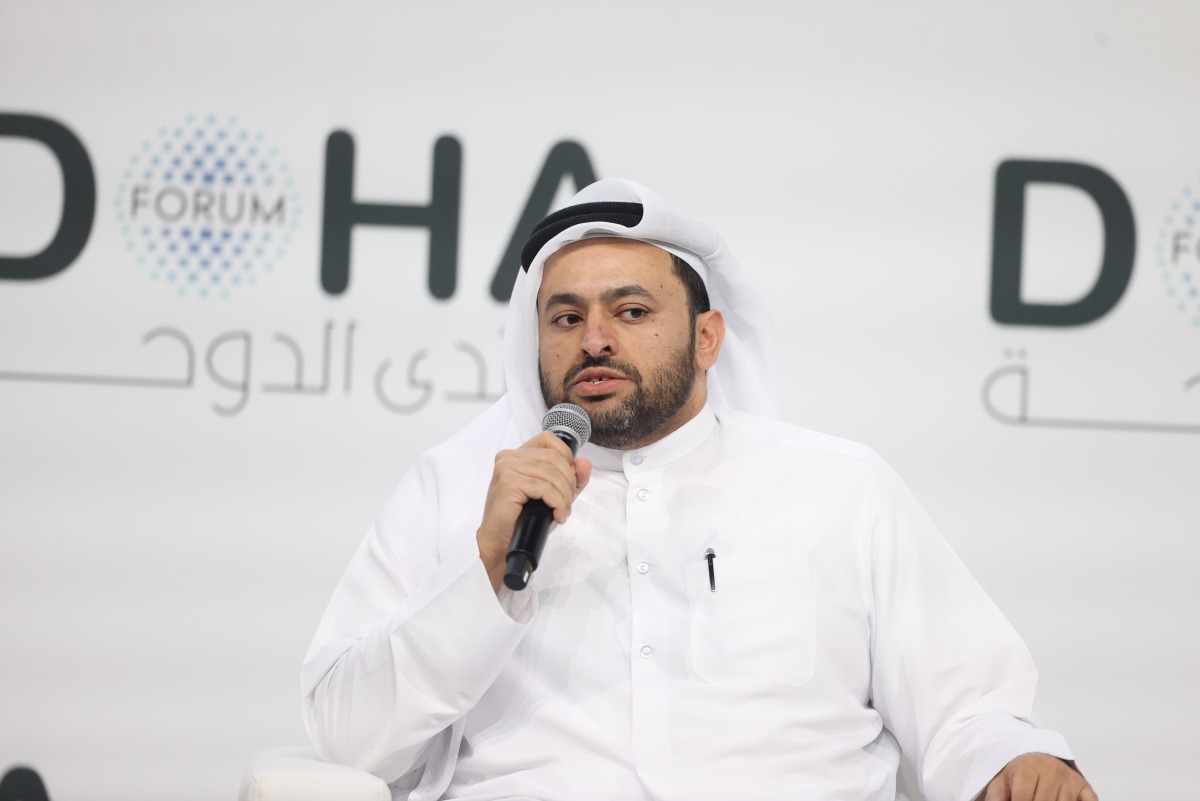

Doha, Qatar – Discussions at the Doha Forum centered on the evolving situation in Syria, with international officials and the Syrian Foreign Minister outlining progress, challenges, and continued support for the country’s recovery. The “The New Syria One Year On: Assessing Progress, Opportunity & Challenges” panel featured high-level representatives from Qatar, Syria, Norway, and the United States, signaling a renewed focus on stabilization efforts. The forum highlighted Qatar’s consistent backing of the Syrian people and government, alongside a broader international commitment to a Syrian-led path forward.
The panel, held in Doha, brought together Minister of State H.E. Dr. Mohammed bin Abdulaziz Al-Khulaifi, Syrian Foreign Minister H.E. Asaad Hasan Al-Shaibani, Norwegian Foreign Minister H.E. Espen Barth Eide, and US Special Envoy H.E. Thomas Barrack, moderated by Charles Lister. The conversation underscored a shift in approach towards Syria, emphasizing pragmatic engagement and support for internally driven initiatives.
Qatar’s Unwavering Support for Syria
Qatar has maintained a consistent policy of support for Syria throughout the ongoing conflict, a position reiterated by Dr. Al-Khulaifi. He stated that Doha’s commitment to the Syrian people remains “very firm,” and has not wavered despite changing political landscapes in the region. This support, according to the Minister, is aimed at restoring Syria’s sovereignty, prosperity, and improving the lives of its citizens.
Qatar’s engagement extends beyond political statements, encompassing substantial humanitarian aid and development projects. Institutions like Qatar Fund for Development and Education Above All are actively involved in initiatives within Syria, working directly with the Syrian government. Dr. Al-Khulaifi described the partnership between Qatar and Syria as “never stronger” in the past 12 months.
The focus on direct engagement represents a departure from earlier phases of the conflict, where external actors often prioritized supporting opposition groups. This shift reflects a growing recognition that a sustainable solution requires working with the existing government structures, while continuing to address the needs of the Syrian population.
Syrian Perspective on Recent Progress
Syrian Foreign Minister Al-Shaibani characterized the past year as a period of significant success, attributing it primarily to Syrian initiative and the restoration of public trust. He emphasized that this success was “built by the Syrians themselves,” and stemmed from rebuilding confidence eroded during the previous regime.
Al-Shaibani also acknowledged the crucial role of international partners, stating that they “stood by Syria.” This support has been vital in facilitating the country’s recovery and addressing the immense humanitarian challenges it faces. The Syrian government is prioritizing rebuilding infrastructure and restoring essential services to its citizens.
Norway’s Foreign Minister Eide echoed the importance of a Syrian-owned and Syrian-led process. He suggested that supporting the government directly, a strategy adopted by Norway, has proven effective in fostering positive change. Eide believes that contributing to Syrian success requires allowing Syrians to determine their own future.
US Approach to Stabilization
The US Special Envoy Barrack outlined a revised approach to Syria, moving away from preconditions related to democratic structures. Instead, the US is focusing on enabling the Syrian government to decide its own path forward. This represents a significant change in US policy, which historically emphasized political reforms as a prerequisite for engagement.
Barrack described the current Syrian Foreign Minister as demonstrating rapid progress and expressed optimism about the country’s potential. The US position is now centered on providing support, encouragement, and allowing Syrians to establish a government and inclusive regime that reflects their own aspirations. This pragmatic approach aims to capitalize on the momentum generated by Syrian-led initiatives and foster a more stable environment.
The discussions also touched upon the ongoing humanitarian crisis in Syria, with participants acknowledging the need for continued assistance to address the widespread suffering. Regional stability and the return of refugees were identified as key priorities for the coming months.
Looking ahead, the international community will be closely monitoring Syria’s progress in implementing economic reforms and addressing governance challenges. The continued provision of humanitarian aid and development assistance will be crucial in supporting the country’s recovery. Further dialogue and cooperation between Syria and its international partners are expected in the coming year, with a focus on fostering long-term stability and prosperity.