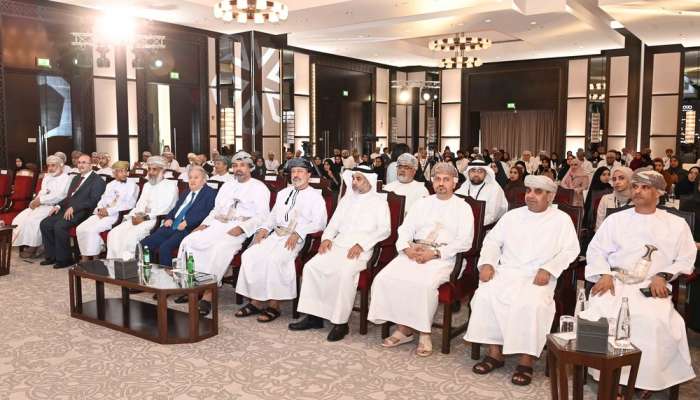

The Sultanate of Oman is currently hosting a pivotal event for the future of engineering professionalism across the Arab world. The 6th Arab Forum for Professional Qualification and Accreditation commenced today in Muscat, bringing together key stakeholders to discuss and shape the evolution of standards within the industry. This forum, themed “Towards Sustainable Professionalism and Accredited Standards,” signals a commitment to raising the bar for engineering practice and ensuring its relevance in a rapidly changing global landscape. The discussions surrounding engineering accreditation are particularly crucial for fostering regional collaboration and economic growth.
The Launch of a Crucial Forum for Engineering Accreditation
The opening ceremony, held under the patronage of Dr. Mahad bin Said Ba’owain, Minister of Labour, saw attendance from a diverse group of officials representing both public and private sectors. Notably, the forum draws participants not only from Oman but also from across the Arab region and beyond, all focused on the engineering field. This broad representation underscores the importance of a unified approach to professional development and quality assurance.
The presence of the Minister of Labour highlights the government’s dedication to aligning professional qualifications with the demands of the modern workforce. This alignment is a key driver for Oman’s Vision 2040, which prioritizes a skilled and competitive national talent pool.
Key Objectives: Elevating Engineering Standards
This year’s forum isn’t simply a gathering; it’s a strategic initiative with clearly defined goals. The primary aim is to refine and enhance the system of professional engineering accreditation in line with globally recognized best practices. This involves a critical examination of existing frameworks and the adoption of innovative approaches to ensure consistent quality.
Fostering Regional Collaboration
A significant focus is on strengthening ties between Arab organizations and unions operating within the engineering sector. Increased integration will facilitate the sharing of knowledge, resources, and expertise, ultimately leading to a more cohesive and effective regional engineering community. This collaborative spirit is essential for tackling shared challenges and capitalizing on emerging opportunities.
Embracing Digital Transformation and Future Skills
The forum recognizes the transformative power of technology and is dedicating substantial discussion to the role of artificial intelligence (AI) and the development of future skills for engineers. The integration of AI into engineering practices is no longer a distant prospect, but a current reality. Therefore, preparing engineers for this shift is paramount.
This includes exploring how AI can be leveraged to improve efficiency, accuracy, and innovation in various engineering disciplines. Furthermore, the forum will address the need for engineers to develop skills in data analytics, machine learning, and other emerging technologies. Developing professional engineering skills for the future is a central tenet.
Prioritizing Continuous Professional Development
Recognizing that learning doesn’t end with formal education, the forum champions continuous professional development (CPD) programs. These programs will be carefully designed to bridge the gap between academic training and the actual needs of the labor market. A key aspect of this is ensuring that CPD opportunities are accessible and relevant to all engineers, regardless of their experience level or specialization.
Furthermore, discussions will center on creating robust mechanisms for assessing the effectiveness of these programs and making necessary adjustments to ensure they remain impactful. This focus on lifelong learning is vital for maintaining a highly skilled and adaptive engineering workforce.
The Importance of Accreditation in a Globalized World
Engineering accreditation isn’t merely a bureaucratic process; it’s a cornerstone of quality assurance and international recognition. Accredited programs demonstrate a commitment to meeting rigorous standards, ensuring that graduates possess the knowledge, skills, and ethical understanding necessary to excel in their profession.
This is particularly important in a globalized world where engineers are increasingly working on international projects and collaborating with colleagues from diverse backgrounds. Accreditation provides a common language and a shared understanding of quality, facilitating seamless collaboration and promoting trust.
Moreover, accreditation can significantly enhance the employability of engineers, as many employers prioritize candidates from accredited programs. It also contributes to the overall competitiveness of the Arab engineering sector on the global stage. The discussion of engineering qualifications is therefore vital.
Looking Ahead: Sustainable Professionalism
The two-day forum in Muscat promises to be a catalyst for positive change in the Arab engineering landscape. By focusing on sustainable professionalism and accredited standards, the event aims to create a future where engineering practice is characterized by excellence, innovation, and ethical conduct.
The outcomes of this forum will undoubtedly shape the development of engineering education, training, and practice across the region for years to come. It’s an investment in the future, ensuring that Arab engineers are well-equipped to tackle the challenges and opportunities of the 21st century.
We encourage all stakeholders in the engineering community to follow the discussions and contribute to the ongoing effort to elevate professional standards. Further information and updates from the forum can be found on [insert relevant website/social media link here – replace this bracketed text].