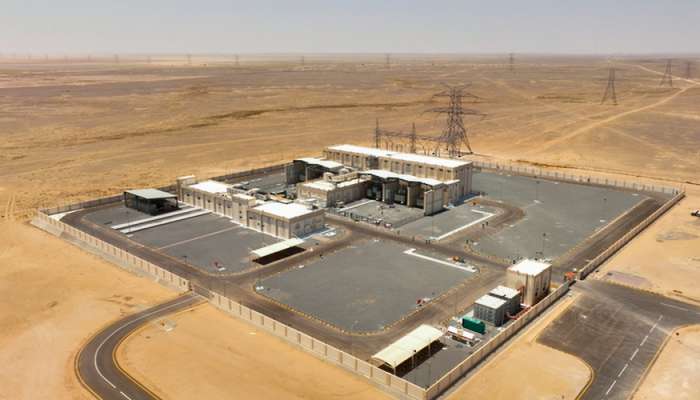

The Sultanate of Oman is experiencing a dynamic shift in its utilities sector, with recent data revealing notable changes in both electricity generation and water production. As the nation continues to develop and its population grows, understanding these trends is crucial for informed decision-making regarding infrastructure and sustainability. This article delves into the latest statistics released by the National Centre for Statistics and Information (NCSI) concerning Oman electricity and water output up to the end of October 2025, outlining increases in power generation alongside fluctuations in water supply across different regions.
Oman’s Rising Electricity Demand: A National Overview
Oman has demonstrably increased its capacity to generate power. Preliminary data indicates a significant 6.1 percent surge in total electricity generation reaching 44,814.7 gigawatt-hours (GWh) by the end of October 2025. This is a notable increase compared to the 42,255.8 GWh recorded during the same period in 2024. This rise is a strong indicator of the country’s economic activity and expanding infrastructure, requiring greater energy resources to support ongoing development and a rising quality of life for its citizens.
This growth isn’t solely due to new generation capacity. Increased efficiency in existing plants and greater demand from industrial and residential sectors all contribute to the upward trend. The diversification of Oman’s economy, as outlined in Vision 2040, also plays a key role, fostering energy-intensive industries.
Net Electricity Generation Trends
Looking at net electricity generation, which accounts for power purchased from both Oman Power and Water Procurement Company (OPWP) and the Rural Areas Electricity Company (RAEC), the increase is also substantial. The statistics show a 5.3 percent growth, reaching 43,532.7 GWh by the end of October 2025, compared to 41,335.1 GWh the previous year.
This demonstrates a robust and reliable power network throughout the country, coupled with effective procurement strategies. OPWP, particularly, serves as a central player in securing and delivering electrical power to Oman’s main interconnected system. RAEC’s contribution highlights the efforts to extend electricity access to more remote and rural communities. This expansion of access underscores the government’s commitment to equitable development and improved living conditions nationwide.
Water Production Landscape: Regional Variations
While electricity generation is clearly on the rise, water production presents a more nuanced picture. Total water production in Oman up to the end of October 2025 registered a slight overall decrease of 0.8 percent, reaching approximately 431,102.5 cubic metres compared to 434,563.2 cubic metres in the same period of 2024. This decrease necessitates careful management and exploration of sustainable water resources.
The national picture hides significant regional variations. Examining the different governorates reveals stark contrasts in production levels, underlining the diverse water challenges and successes faced by different areas in Oman.
Muscat Governorate: Facing a Decline
Muscat Governorate, the heart of the Sultanate, experienced a noticeable drop in water production – a decrease of 11.7 percent, falling to 171,676.0 cubic metres compared to 194,432.6 cubic metres during the same period last year. This decline is potentially attributable to factors such as increased water consumption, aging infrastructure, or reduced rainfall impacting groundwater recharge. Addressing this shortfall is paramount, especially considering Muscat’s high population density and economic importance. Investment in desalination plants, wastewater treatment for reuse, and comprehensive leak detection programs are likely considerations.
Dhofar and Other Governorates: Production Increases
Conversely, Dhofar Governorate saw an encouraging increase in water production, up by 3.4 percent to 63,796.5 cubic metres compared to 61,727.4 cubic metres. This increase may be driven by specific investments in water infrastructure or beneficial seasonal rainfall.
The remaining governorates also demonstrated positive growth, with water production increasing by 9.7 percent to 195,630.1 cubic metres, up from 178,403.2 cubic metres. This suggests localized successes in water management, potentially linked to new projects or improved conservation efforts. Furthermore, it highlights the potential for replicating these positive outcomes across the Sultanate. These developments demonstrate the effectiveness of regionalized water management strategies.
Implications and Future Outlook for Oman’s Utilities
The latest data on Oman electricity and water provides valuable insights into the nation’s evolving infrastructure needs. The sustained growth in electricity generation signifies economic progression and societal expansion, requiring continued investment in power generation capacity and grid modernization. However, the slight decline in national water production, particularly the significant drop in Muscat, necessitates proactive strategies to ensure water security for the future.
Oman’s journey towards sustainable development hinges on a comprehensive approach to both power and water. This includes diversifying energy sources, embracing renewable energy technologies like solar and wind power, and aggressively pursuing water conservation measures. Considering factors like climate change and population growth, long-term planning is vital for managing these critical resources efficiently and effectively.
Continued monitoring of these statistics – particularly focusing on the drivers behind regional variations – will be essential for policymakers and stakeholders to make informed decisions and safeguard Oman’s future. Addressing the challenges in Muscat will be key to maintaining stability and supporting economic growth in the Sultanate’s capital. The future success of Oman’s utility sector relies heavily on a commitment to innovation, sustainability, and integrated resource management, encompassing both energy sustainability and responsible water stewardship.