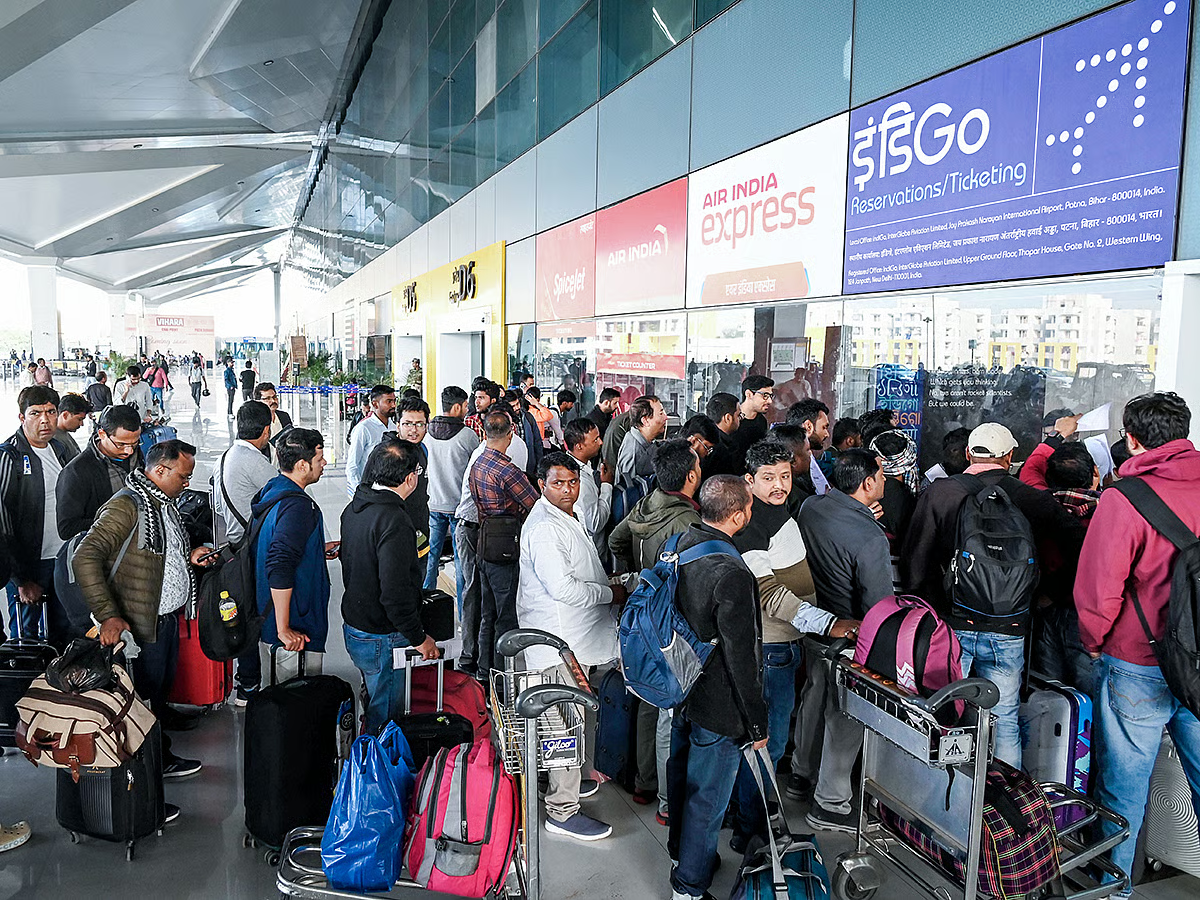

Recent widespread flight disruptions across major Indian airports, primarily affecting IndiGo, have been attributed to the airline’s inadequate crew planning following the implementation of revised flight duty time limitations (FDTL) rules. India’s Civil Aviation Minister Ram Mohan Naidu publicly stated on Friday that while other carriers adjusted smoothly, IndiGo experienced significant operational challenges. The disruptions led to long passenger queues, substantial delays, and overall airport congestion.
The issues initially arose earlier this week with a sharp increase in the number of IndiGo flights delayed or cancelled. Passengers reported difficulties obtaining information and assistance, causing frustration and impacting travel plans nationally. The Directorate General of Civil Aviation (DGCA) issued updated FDTL regulations designed to improve pilot rest and enhance flight safety, taking effect in April.
IndiGo Flight Disruptions: A Crew Scheduling Issue
According to Minister Naidu, the core of the problem isn’t the new FDTL rules themselves, but rather IndiGo’s inability to effectively manage its crew rotations under the revised system. The DGCA’s amended rules aim to address fatigue among flight crew, introducing varied rest periods dependent on flight duration and timings. Several reports indicated IndiGo was unprepared for the complexities of scheduling under these new guidelines.
The government intervened after several days of persistent problems at airports like Delhi and Mumbai. Naidu told ANI the ministry had to step in to mitigate widespread passenger impacts. Initially, IndiGo was given a temporary reprieve from specific FDTL requirements to help restore normalcy, but this was intended solely as a short-term fix.
The airline has since been forced to scale back its flight schedule to reduce the pressure on congested airports and allow for more stable crew rostering. This reduction in capacity, while necessary, has created further inconvenience for travellers. The Ministry of Civil Aviation has directed IndiGo to fully restore normal operations as quickly as possible.
DGCA Oversight and New Regulations
The updated FDTL regulations were introduced by the DGCA as part of a broader effort to align Indian aviation safety standards with international best practices. These regulations are critical for managing crew fatigue, a known contributor to aviation incidents. The previous rules were seen as less accommodating to the needs of pilots to have adequate rest.
However, the transition to the new rules hasn’t been without difficulty. Airlines are required to revise their existing scheduling systems and ensure compliance with the new limitations, a process that necessitates a significant investment in technology and manpower for crew management. While most airlines successfully navigated this transition, IndiGo appears to have underestimated the logistical burden.
Accountability and Investigation
A four-member committee has been established to thoroughly investigate the circumstances surrounding the IndiGo disruptions and identify any failures in planning or execution. Minister Naidu emphasized the importance of accountability, stating that individuals found responsible for the mismanagement will face consequences. The committee’s findings are expected to be delivered within the coming weeks.
The investigation will likely focus on IndiGo’s crew resource management systems, including the software and processes used for scheduling. It will also examine whether the airline had adequate training for its staff to operate under the new FDTL regulations. Details will be sought on the decision-making process that led to the initial scheduling issues.
The Civil Aviation Ministry has repeatedly stressed its commitment to both passenger welfare and operational safety. This incident highlights the critical importance of robust crew management systems, particularly in a rapidly growing aviation market like India. The focus is now on supporting affected passengers and ensuring a swift return to normal flight operations.
Industry analysts suggest the current situation could lead to increased scrutiny of airline operational practices throughout India. Competitors like Air India and SpiceJet successfully adapted to the new regulations, demonstrating that compliance is achievable with proper planning and investment. This successful flight scheduling by other airlines contrasts sharply with IndiGo’s difficulties.
The incident also raises questions about the potential need for better coordination between the DGCA and airlines during the implementation of new regulations. While the DGCA provides the framework, airlines are ultimately responsible for ensuring their operations comply with the rules. Effective communication and proactive planning are essential to avoid the kind of disruptions experienced this week. The handling of airport operations is a key concern.
Looking ahead, the Ministry expects the committee to submit its report by the end of June. Based on those findings, further action will be taken against those deemed responsible. The immediate priority remains stabilizing IndiGo’s operations and minimizing the impact on passengers. However, a longer-term review of the implementation process for new safety regulations, and how airlines prepare for them, is also likely to be conducted. The future capacity of IndiGo flights remains uncertain until the airline addresses its crew planning deficiencies.