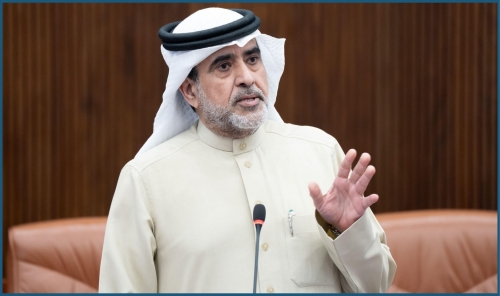

Bahrain is considering stricter measures to prevent foreign investors and workers from leaving the country with outstanding debts. A growing number of Members of Parliament (MPs) are pushing for enhanced exit controls, aiming to safeguard the financial interests of businesses and government entities. This move comes as concerns rise over unpaid liabilities impacting the kingdom’s investment climate and the viability of small and medium-sized enterprises (SMEs). The proposed changes seek to reinforce financial responsibility and maintain trust within Bahrain’s commercial landscape.
Bahrain Debts: MPs Call for Stricter Exit Controls
A recent proposal submitted by a group of MPs – Khalid Buanaq, Mahmood Fardan, Zainab AbdulAmeer, Mohammed Al Ma’arafi, and Hisham Al Awadhi – is gaining traction. The core of the proposal centers around implementing additional conditions, operating within the existing legal framework, for foreign investors, commercial registration holders, and those working under the registered worker (flexi visa) scheme. The primary goal is to prevent individuals from permanently departing Bahrain before settling all outstanding financial obligations.
This isn’t simply about recovering money; it’s about protecting the integrity of Bahrain’s business environment. The MPs argue that a noticeable increase in departures with unpaid debts has eroded confidence in the kingdom as a reliable place to invest and conduct business.
Impact on Small and Medium Enterprises
The proposed controls are particularly aimed at protecting SMEs in Bahrain, which are disproportionately affected by unpaid debts. These businesses often lack the resources to pursue lengthy and costly legal battles to recover funds from debtors who have already left the country.
The MPs highlight that the inability to recover owed money severely impacts the cash flow of these vital businesses, hindering their growth and undermining government initiatives designed to support entrepreneurship. This creates a ripple effect, potentially slowing down economic development and discouraging future investment.
The Flexi Visa System and Commercial Registration Concerns
The ease with which commercial registrations can be obtained and individuals can work under the flexi visa system has, according to the MPs, inadvertently created opportunities for exploitation. They contend that insufficient checks are conducted before final exit approvals are granted, allowing some individuals to evade their contractual obligations.
This practice, they argue, weakens the fundamental principle of the binding force of contracts and damages trust in the local market. The proposal doesn’t suggest a complete overhaul of these systems, but rather a strengthening of existing checks and balances to prevent abuse.
Types of Unpaid Liabilities
The scope of unpaid debts is broad, encompassing a variety of financial commitments. These include unpaid rent to landlords, outstanding bank loans and finance, unpaid government fees, and accumulated fines. The inability to recover these funds leaves a wide range of parties – landlords, lenders, and government bodies – financially exposed.
The MPs emphasize that the issue isn’t limited to large sums; even relatively small debts can collectively create a significant financial burden on businesses and individuals. Addressing this issue is seen as crucial for maintaining a stable and predictable economic environment.
Reinforcing Enforcement and Maintaining Confidence
The MPs believe that introducing further controls, within the bounds of the law, will significantly reinforce enforcement measures. This, in turn, will protect the rights of all parties involved in commercial and labor relationships. The aim is to create a more equitable and transparent system where contractual obligations are respected and financial risks are minimized.
Furthermore, the proposal seeks to curb practices that damage the reputation of the local market. By demonstrating a commitment to financial responsibility and contract enforcement, Bahrain can enhance its appeal as a safe and reliable destination for foreign investment. This is particularly important in a competitive global landscape where investors carefully assess the risks and rewards of different markets. The focus is on creating a sustainable and trustworthy investment climate in Bahrain.
The proposal isn’t about restricting legitimate business activity or hindering the movement of individuals. Instead, it’s about ensuring that those who benefit from Bahrain’s economic opportunities also fulfill their financial obligations. It’s a proactive step towards safeguarding the interests of businesses, protecting the rights of creditors, and maintaining the long-term health of the kingdom’s economy.
In conclusion, the call for stricter exit controls for those with outstanding debts in Bahrain reflects a growing concern over the impact of unpaid liabilities on the nation’s economic stability. By strengthening enforcement measures and reinforcing the principle of contractual obligation, the proposed changes aim to protect SMEs, maintain investor confidence, and preserve the integrity of Bahrain’s commercial environment. The outcome of this proposal will be closely watched by businesses and investors alike, as it could significantly shape the future of financial dealings within the kingdom.