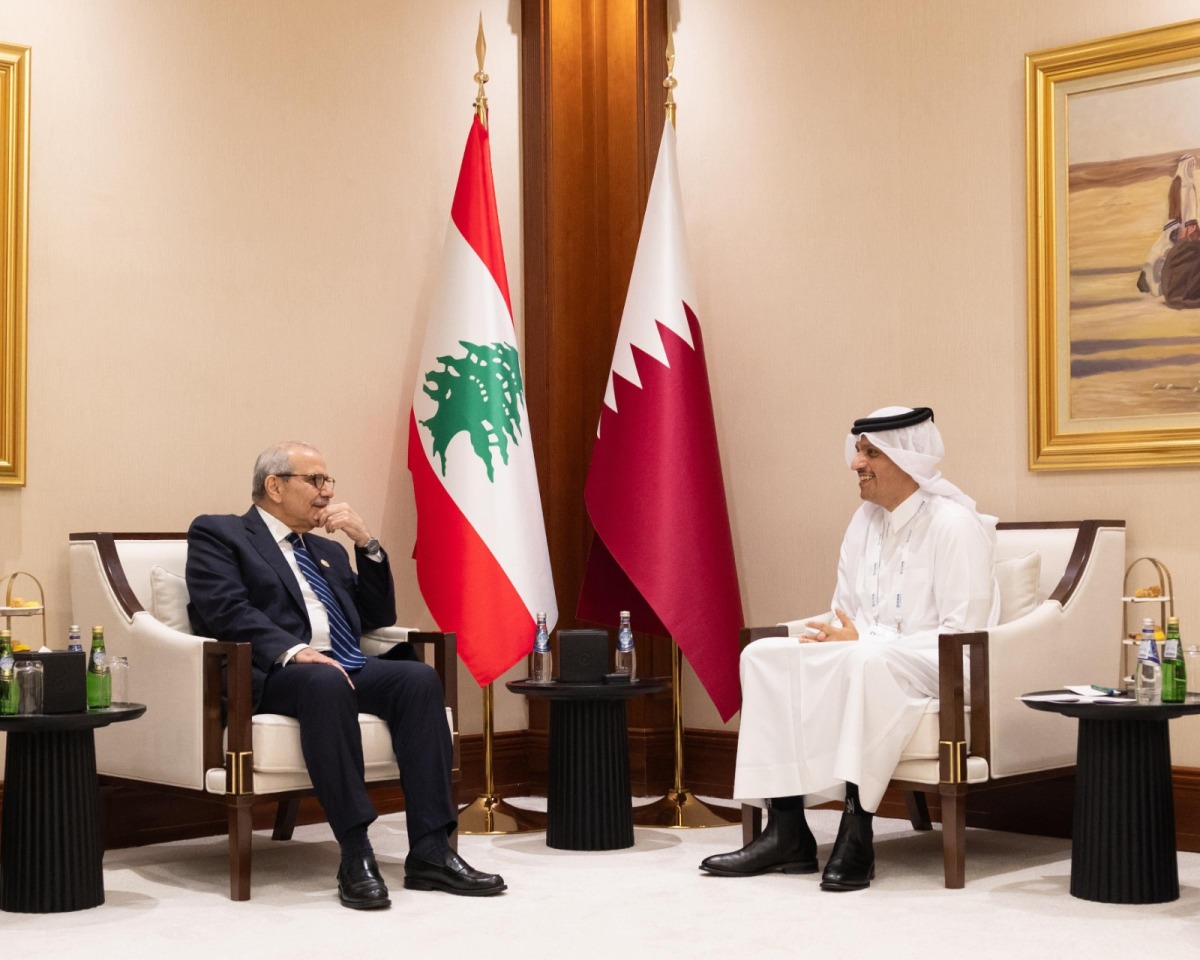

Doha, Qatar – Discussions focused on bolstering bilateral ties and regional stability took center stage at the 23rd Doha Forum on Saturday, as Qatar’s Prime Minister and Minister of Foreign Affairs, Sheikh Mohammed bin Abdulrahman bin Jassim Al-Thani, held meetings with key leaders from Lebanon and Yemen. The meetings, occurring on the sidelines of the annual forum, underscore Qatar’s continued diplomatic efforts in the Middle East and its commitment to addressing pressing regional challenges. These talks represent a significant moment for Qatar’s foreign policy.
Sheikh Mohammed met separately with Lebanese Prime Minister Dr. Nawaf Salam and Vice President of the Yemeni Presidential Council Dr. Abdullah Al Alimi. Both encounters centered on strengthening cooperation between Qatar and the respective nations, as well as exchanging perspectives on the agenda of the Doha Forum and other matters of mutual concern, according to statements released by the Qatari Ministry of Foreign Affairs.
Strengthening Qatar’s Regional Diplomacy Through the Doha Forum
Qatar has long positioned itself as a mediator in regional conflicts, and the Doha Forum serves as a crucial platform for these diplomatic initiatives. The forum, which runs through December 7th, 2025, gathers policymakers, business leaders, and civil society representatives to discuss global challenges and potential solutions. This year’s event is particularly focused on issues such as climate change, economic diversification, and conflict resolution.
Focus on Lebanese Stability
The meeting with Lebanese Prime Minister Salam likely addressed the ongoing political and economic crisis in Lebanon. The country has been grappling with a severe economic downturn, political deadlock, and social unrest for several years. Qatar has previously provided financial assistance to Lebanon and has called for a comprehensive political solution to the crisis. The discussions likely explored further avenues for Qatari support and collaboration.
However, the situation in Lebanon remains complex, with significant hurdles to overcome before lasting stability can be achieved. The formation of a functioning government and the implementation of necessary economic reforms are critical steps, and Qatar’s role in encouraging these developments will be closely watched.
Yemen Peace Efforts
The discussion with Dr. Al Alimi, representing the Yemeni Presidential Council, focused on the ongoing conflict in Yemen and efforts to achieve a lasting peace. Qatar has been involved in mediation efforts to end the war, which has caused a humanitarian catastrophe. The meeting likely reviewed the progress of peace talks and explored ways to alleviate the suffering of the Yemeni people.
Additionally, Qatar has provided substantial humanitarian aid to Yemen, and the talks likely touched upon the need for continued assistance. The ongoing Houthi rebel attacks on commercial shipping in the Red Sea add a new layer of complexity to the situation, potentially impacting regional stability and humanitarian access. The Doha Forum provides a space to address these evolving challenges.
In contrast to direct military intervention, Qatar has consistently favored a diplomatic approach to resolving regional conflicts. This strategy is reflected in its active participation in mediation efforts and its provision of humanitarian aid. The country’s economic influence also allows it to offer financial support to struggling nations, fostering stability and promoting development.
The Doha Forum also serves as a venue for Qatar to engage with international partners on issues of shared concern, such as counter-terrorism and cybersecurity. These discussions are essential for building a coordinated response to global threats and promoting international cooperation. Qatar’s commitment to multilateralism is a key tenet of its foreign policy.
Looking ahead, the outcomes of the Doha Forum and the follow-up actions stemming from these bilateral meetings will be crucial indicators of Qatar’s continued influence in the region. Further details regarding specific commitments or agreements reached during the meetings are expected to emerge in the coming days. The evolving geopolitical landscape and the ongoing conflicts in Lebanon and Yemen will continue to shape Qatar’s diplomatic priorities.
Source: The Peninsula Qatar
Doha Forum Official Website
Qatar Ministry of Foreign Affairs