

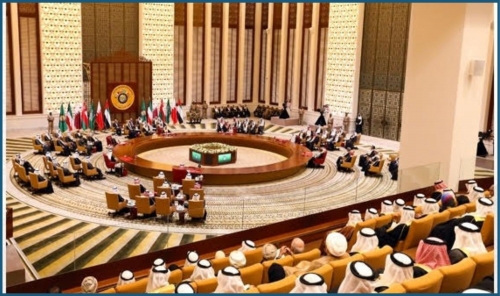

The Gulf Cooperation Council (GCC) is taking significant steps towards greater integration, recently launching a pilot program for a unified travel system between the UAE and Bahrain. This initiative, unveiled alongside preparations for the 46th GCC Summit in Manama, promises to streamline travel for citizens and reinforces the bloc’s commitment to regional cooperation and security. The summit, officially opened with a state-of-the-art media centre, signals a renewed focus on collective action within the Gulf region.
GCC Unveils New Unified Travel System
The most immediate impact of the 46th GCC Summit’s preparatory activities is the launch of the pilot phase for a one-stop travel system. Currently, citizens traveling between GCC countries often face repeated entry procedures. This new system aims to eliminate those hurdles, fostering easier movement and strengthening ties between member states. Officials have confirmed a phased rollout, with plans to eventually include all six GCC nations – Bahrain, Kuwait, Oman, Qatar, Saudi Arabia, and the United Arab Emirates.
This move represents a tangible benefit for citizens and a significant step towards realizing a more integrated Gulf region. The initiative is expected to boost tourism and facilitate business travel, contributing to economic growth across the GCC.
Bahrain Hosts 46th GCC Summit with Advanced Media Facilities
Bahrain officially inaugurated its dedicated media centre for the 46th GCC Summit, demonstrating the Kingdom’s commitment to facilitating comprehensive coverage of the event. The opening ceremony was attended by key figures including GCC Secretary-General Jasem Mohamed Al Budaiwi, His Majesty the King’s Advisor for Media Affairs Nabeel bin Yacoub Al Hamer, and Minister of Information Dr. Ramzan bin Abdullah Al Noaimi.
Dr. Al Noaimi emphasized Bahrain’s pride in hosting the summit, highlighting the nation’s dedication to enhancing Gulf cooperation under the leadership of His Majesty King Hamad bin Isa Al Khalifa and with the support of His Royal Highness Prince Salman bin Hamad Al Khalifa, the Crown Prince and Prime Minister. He assured attendees that Bahrain’s media institutions are fully prepared to support both local and international reporting on the summit’s proceedings.
State-of-the-Art Media Centre
A tour of the media centre revealed advanced facilities designed to support journalists in delivering high-quality coverage. Attendees praised the setup, noting the efforts made to ensure seamless communication and access to information. This investment in media infrastructure underscores Bahrain’s commitment to transparency and open communication during the summit.
Strengthening Regional Security and Defence Cooperation
GCC Secretary-General Al Budaiwi used the occasion to reaffirm the unity of the Gulf states, emphasizing a shared foreign policy and common strategic goals. He famously stated, “The Gulf is one hand,” illustrating the strength of regional cohesion. Beyond symbolic gestures, concrete progress was reported on several key defence initiatives.
These include the establishment of five joint military points, a regional intelligence centre, enhanced air-force coordination, and a modernized early-warning system. The “Gulf Dome” project, a unified military framework, is also advancing, demonstrating the GCC’s proactive approach to collective defence. These measures are designed to address evolving regional security challenges and safeguard the stability of the Gulf region. The focus on defence cooperation highlights the importance of a unified front in navigating a complex geopolitical landscape.
Trade Agreements and Schengen Visa Discussions
On the economic front, Al Budaiwi provided updates on ongoing free-trade agreements involving Bahrain with Pakistan, South Korea, and New Zealand. These agreements are expected to boost trade and investment, further diversifying the GCC economies. However, negotiations with the European Union remain challenging, primarily due to differing regulatory requirements.
The Secretary-General also addressed the long-standing issue of Schengen visa exemptions for GCC nationals. He clarified that the decision rests entirely with European authorities and that no concrete timeline has been established. This remains a key aspiration for the GCC, aiming to facilitate easier travel for its citizens to Europe. Discussions surrounding regional trade and visa policies demonstrate the GCC’s ambition to expand its global connections.
A Milestone for GCC Cooperation
Dr. Al Noaimi concluded by emphasizing Bahrain’s media readiness to convey a comprehensive picture of the summit. He described the event as a crucial milestone in the GCC’s ongoing pursuit of deeper cooperation and shared prosperity. The 46th GCC Summit, and the initiatives launched alongside it – particularly the new travel regulations – represent a significant step forward for the bloc.
The unified travel system, coupled with strengthened security and economic ties, underscores the GCC’s commitment to a more integrated and secure future. The summit provides a platform for addressing shared challenges and charting a course towards greater regional stability and economic growth. This commitment to Gulf cooperation is vital in a rapidly changing world.