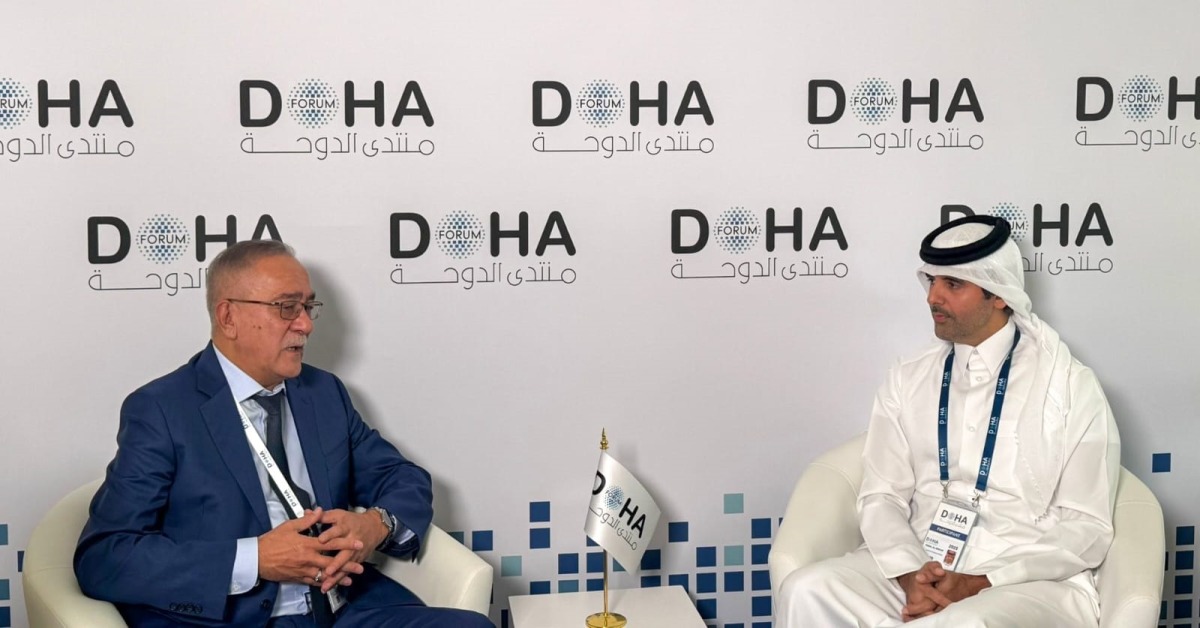

Doha, Qatar – Discussions regarding enhanced cooperation and the evolving situation in Afghanistan took center stage as Qatar hosted a meeting between HE Ambassador Faisal bin Abdullah Al Hanzab, the Special Envoy of the Minister of Foreign Affairs, and HE Dr. Ismatulla Irgashev, the Special Representative of the President of the Republic of Uzbekistan for Afghanistan. The meeting, held on the margins of the Doha Forum 2025, underscores Qatar’s continued role as a key mediator in regional security and diplomatic efforts related to Afghanistan. This engagement follows a period of increased Qatari diplomatic activity concerning peace and stability in the region.
The two envoys convened yesterday to discuss bilateral relations between Qatar and Uzbekistan and to exchange perspectives on the latest developments impacting Afghanistan. This meeting represents a significant moment in ongoing attempts to solidify regional approaches to the challenges present in Afghanistan, particularly concerning humanitarian aid and political reconciliation. Precise details of the discussions were not released by either government, however, the general topic areas were confirmed.
Qatar and Uzbekistan Focus on Afghanistan
The focus on Afghanistan highlights the shared concerns of both Qatar and Uzbekistan regarding its stability. Uzbekistan shares a northern border with Afghanistan and has a vested interest in preventing the spillover of instability and extremist groups, while Qatar has maintained substantive communication channels with various stakeholders within Afghanistan since the Taliban takeover in August 2021. Both nations seek a peaceful and inclusive Afghanistan, and this meeting offered a platform to align strategies.
Qatar’s Mediation Efforts
Qatar has consistently positioned itself as a central player in international efforts to address the situation in Afghanistan. This has included facilitating talks between the Taliban and international representatives, providing humanitarian assistance, and working to ensure safe passage for individuals seeking to leave the country. The Doha Forum has repeatedly served as a venue for these critical diplomatic interactions.
According to reports from the Ministry of Foreign Affairs, Qatar’s approach emphasizes constructive engagement, prioritizing the Afghan people’s welfare and advocating for respect for human rights, especially women’s rights. This stance has been consistently conveyed in Qatar’s statements and actions regarding Afghanistan, and informs its multilateral discussions. However, navigating the complexities of dealing with the Taliban government presents ongoing challenges.
Uzbekistan’s Regional Role
Uzbekistan’s involvement reflects its growing role in regional diplomacy and its commitment to stability in Central Asia. The country has been actively pursuing economic and infrastructure projects aimed at connecting Afghanistan to regional trade networks, believing that economic development is crucial for long-term peace. These initiatives include railway construction and energy projects.
Uzbekistan has also engaged in dialogue with the Taliban, focusing on practical issues such as border security and trade. This pragmatic approach differs somewhat from the more conditional engagement favored by some Western nations, but it demonstrates a willingness to work with the current authorities in Afghanistan to address shared concerns. The country’s focus on economic cooperation is a key element of its strategy for regional stability.
The meeting between the Qatari and Uzbek envoys comes amid ongoing concerns about the humanitarian crisis in Afghanistan and the potential for a resurgence of terrorism. The United Nations has repeatedly warned of the dire economic situation there, and the Taliban’s restrictions on women’s education and employment have drawn international criticism. The UN Assistance Mission in Afghanistan (UNAMA) continues to monitor the situation closely.
Moreover, the broader geopolitical landscape, including the Russia-Ukraine war and escalating tensions in the Middle East, adds layers of complexity to the situation in Afghanistan. This demands a concerted, collaborative international response in the area of counterterrorism and regional security.
Looking ahead, continued dialogue between Qatar and Uzbekistan, and with other regional and international stakeholders, appears likely. The Doha Forum is scheduled to continue for several days, potentially yielding further meetings on Afghanistan. Any tangible outcomes—such as specific aid pledges or commitments to joint initiatives—remain uncertain and will depend on evolving circumstances and the willingness of all parties to compromise. Monitoring future statements from both governments and international organizations like the UN will be essential for understanding the trajectory of these diplomatic efforts related to Afghanistan.
Further development of Afghanistan’s economy will likely be a crucial topic during upcoming negotiations.