
Doha, Qatar – The State of Qatar has solidified its role as a key international mediator, evidenced by the recent signing of the Doha Agreement aimed at reinforcing peace efforts between the Colombian government and the self-declared EGC group. This agreement, alongside Qatar’s ongoing involvement in conflicts from Gaza to Ukraine, underscores its growing influence in global diplomacy and commitment to peaceful conflict resolution. The country’s approach, characterized by neutrality and a focus on open communication, is increasingly recognized as vital in navigating complex geopolitical challenges.
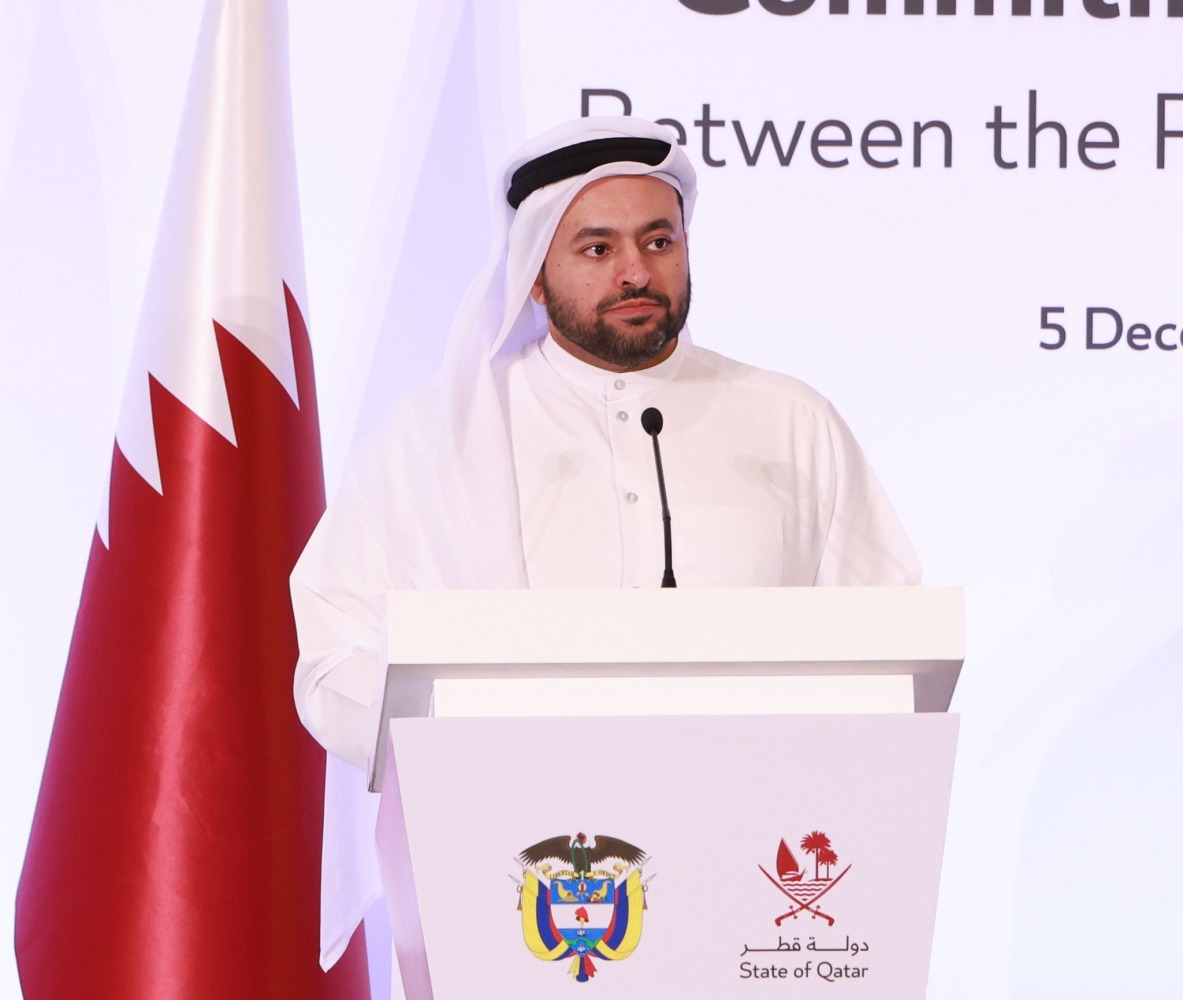
Minister of State at the Ministry of Foreign Affairs, HE Dr. Mohammed bin Abdulaziz bin Saleh Al Khulaifi, affirmed Qatar’s dedication to fostering dialogue and stability worldwide following the signing of the agreement. He emphasized that Qatar views ensuring security beyond its borders as a fundamental responsibility. The latest accord builds on earlier successes facilitated by Doha, demonstrating a consistent pattern of proactive engagement in international peace initiatives.
Qatar’s Expanding Role in International Mediation
Qatar’s mediation efforts have spanned multiple continents this year, addressing conflicts with diverse root causes. According to the Ministry of Foreign Affairs, the country played a crucial role in assisting with a ceasefire agreement in Gaza, working collaboratively with international partners. This involvement highlights Qatar’s established relationships within the region and its ability to convene stakeholders.
Beyond the Middle East, Qatar hosted a trilateral summit that ultimately contributed to a peace agreement between Rwanda and the Democratic Republic of the Congo. In November, this culminated in a signed peace framework between the Congolese government and the March 23 Movement, a significant step toward resolving a longstanding and destabilizing conflict, the ministry said. These initiatives showcase Qatar’s willingness to engage in complex African conflicts.
Humanitarian Efforts and Regional Stability
Qatar’s contributions aren’t limited to governmental negotiations. The country continues to maintain channels of communication with both Ukraine and Russia, focusing on critical humanitarian work, particularly reuniting children affected by the ongoing war with their families. This demonstrates a commitment to addressing the human cost of conflict even amid broader political stalemate.
Furthermore, Qatar facilitated the release of 10 detainees of various nationalities from Afghanistan this year, and also successfully mediated a deal between Afghanistan and Pakistan, resulting in the Doha Agreement signed in October. These efforts related to Afghanistan reflect Qatar’s engagement in supporting regional stability and humanitarian outcomes. The ongoing mediation in these areas is critical, especially given the geopolitical complexities involved.
The success of these initiatives is attributed to Qatar’s impartial approach, fostering trust among conflicting parties. According to HE Al Khulaifi, the agreements reached are a direct result of both sides demonstrating commitment, seriousness, and patience during negotiations held in Doha.
Qatar acknowledges the vital support of partner nations, including Norway, Switzerland, and Spain, in achieving these diplomatic outcomes. The collective expertise and sustained involvement of these countries were essential to navigating the complexities and building consensus during the peace talks. This collaboration contributes to the broader landscape of conflict resolution.
The Doha Agreement with Colombia focuses on 15 specific regions and includes measures to build trust, such as reducing drug production and offering alternative economic opportunities. It also emphasizes the protection of children and the reintegration of former combatants into society. These targeted strategies are designed to address the immediate needs of affected communities and establish a foundation for lasting peace. Such focused action highlights Qatar’s pragmatic approach to diplomacy.
Looking ahead, Qatar will continue to support the implementation of the agreements reached, coordinating efforts with Norway, Switzerland, Spain, and other partners. The Organization of American States also receives thanks for its ongoing support. The ultimate responsibility for the success of these agreements rests with the Colombian government and the EGC group, but Qatar remains dedicated to providing assistance in overcoming future challenges. The long-term viability of the peace process hinges on continued commitment from all stakeholders and diligent monitoring of implementation progress.
The next steps involve the detailed implementation of the agreed-upon measures across Colombia, with monitoring and evaluation by both parties and international observers. Key areas to watch include the progress in reducing drug production, the protection of vulnerable populations, and the successful reintegration of former combatants. While the signing represents a significant milestone, sustained effort and adaptation will be necessary to navigate potential setbacks and ensure the agreement translates into tangible improvements in the lives of the Colombian people.