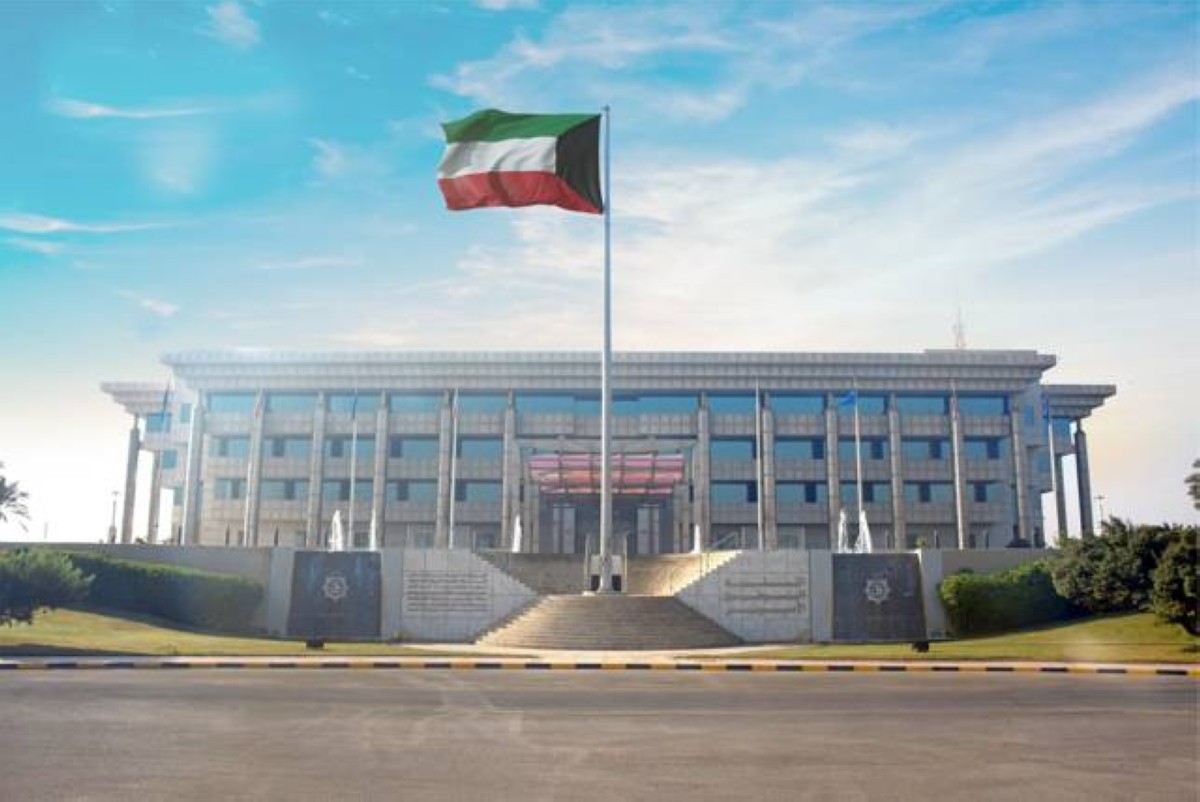

Kuwait is actively reinforcing its commitment to national security and community stability through a series of progressive development plans, aligning with the ambitious goals of Kuwait Vision 2035. The Ministry of Interior is at the forefront of these efforts, focusing on modernizing infrastructure, enhancing operational capabilities, and fostering stronger partnerships to create a safer and more sustainable environment for all. This commitment extends to proactive crime prevention, advanced emergency response systems, and the integration of cutting-edge technology.
Strengthening Kuwait’s National Security Framework
The Ministry of Interior’s strategy isn’t simply reactive; it’s built on a foundation of proactive measures designed to anticipate and address emerging threats. Colonel Fahad Al-Essa, director of traffic awareness at the traffic and operations sector, emphasized the ongoing execution of comprehensive strategies aimed at bolstering security and stability. This involves a multi-faceted approach, encompassing upgrades to existing infrastructure and a significant expansion of smart services designed to improve efficiency and accessibility for citizens and residents.
A Unified and Coherent Security System
A key element of this modernization is the creation of a more unified and coherent security system. The Ministry encompasses a broad range of vital sectors, including Public Security, Traffic, Residency Affairs, Border and Coastal Security, Criminal Security, Operations, Civil Defense, Firefighting, Maritime Rescue, and Security Information Systems, alongside national rehabilitation and correctional institutions.
Coordination between these diverse sectors is paramount. This is achieved through the establishment of joint operation rooms and the implementation of advanced technological platforms. These platforms facilitate real-time information exchange, leading to faster response times and increased effectiveness across all operational units. This interconnectedness is crucial for a holistic approach to national security in Kuwait.
Combating Crime in the Digital Age
The Ministry of Interior recognizes the evolving nature of crime, particularly the rise of organized and cybercrime. To combat these threats, specialized units have been established, and collaborative efforts are underway with international organizations like Interpol, as well as regional and international agencies. Continuous development of capabilities and regulatory frameworks is also a priority, ensuring they remain aligned with the rapid pace of digital advancements.
The Ministry is actively leveraging the power of technology to enhance crime prevention. This includes employing artificial intelligence (AI), data analysis, and sophisticated crime-pattern monitoring techniques. These tools reinforce preventative action, protect society, and support early-intervention mechanisms designed to reduce risks and strengthen overall national safety.
Focus on Proactive Policing
This shift towards proactive policing isn’t just about technology. It’s about understanding the root causes of crime and addressing them before they escalate. By analyzing data and identifying trends, the Ministry can deploy resources more effectively and target interventions where they are most needed. This approach is vital for maintaining a safe and secure environment for both citizens and residents.
Enhancing Emergency Preparedness and Response
Kuwait is also focused on bolstering its emergency preparedness and response capabilities. The Ministry implements integrated emergency-response plans for a range of potential scenarios, including heavy rainfall, fires, and natural disasters. This involves close coordination with Civil Defense, the deployment of modern surveillance technologies, and the utilization of drone operations for rapid assessment and situational awareness.
Furthermore, the Ministry is establishing temporary shelters and launching community awareness initiatives to promote readiness among citizens and residents. These initiatives aim to equip individuals with the knowledge and skills they need to respond effectively in emergency situations. This comprehensive approach to disaster management is essential for protecting lives and minimizing the impact of unforeseen events. Emergency preparedness is a cornerstone of Kuwait’s overall security strategy.
Kuwait Vision 2035 and Long-Term Stability
All these initiatives are firmly rooted in Kuwait Vision 2035, a strategic roadmap for the nation’s future. The Ministry of Interior’s commitment to strengthening national security and enhancing community stability directly contributes to the realization of this vision. By creating an attractive, safe, and sustainable environment, Kuwait aims to attract investment, foster economic growth, and improve the quality of life for all its citizens and residents.
The Ministry’s dedication to modernization, collaboration, and proactive measures demonstrates a clear understanding of the challenges and opportunities that lie ahead. This forward-thinking approach is crucial for ensuring Kuwait’s continued stability and prosperity in the years to come.
In conclusion, the Ministry of Interior’s progressive development plans represent a significant investment in Kuwait’s future. By prioritizing national security, embracing technological innovation, and fostering strong community partnerships, Kuwait is well-positioned to achieve its ambitious goals outlined in Kuwait Vision 2035. To learn more about Kuwait Vision 2035 and the Ministry of Interior’s initiatives, visit the official Kuwait government website.