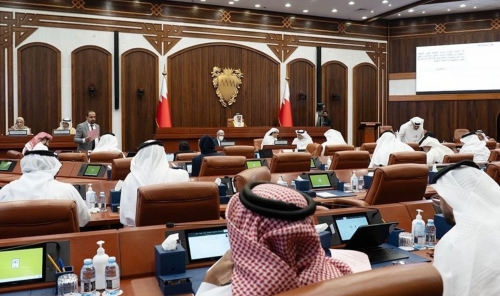

Bahrain is moving towards prioritizing its citizens in public sector employment, a shift underscored by recent parliamentary approval of amendments to the Civil Service Law. This legislation aims to significantly restrict the hiring of expatriate workers in government ministries and state bodies, mandating higher qualifications and experience levels for any foreign national brought on board. The move reflects a broader national strategy to “Bahrainisation” – increasing the representation of Bahraini nationals in the workforce – and developing local expertise.
New Regulations for Expatriate Employment in Bahrain
The approved bill introduces stringent requirements for the recruitment of non-Bahraini staff in the public sector. Previously, the criteria were less defined, leading to concerns about citizen access to government jobs. Now, any ministry or governmental entity seeking to hire an expatriate worker must first demonstrate that no qualified Bahraini candidate is available for the position.
This isn’t simply a matter of advertising the role. Candidates must meet, or exceed, a newly established benchmark. Prospective employees from outside Bahrain will be required to possess at least a Master’s degree – or its equivalent – in a field directly relevant to the job. Furthermore, they must have a minimum of ten years of practical experience in that same field.
Addressing Skill Gaps and National Development
This emphasis on higher qualifications and extensive experience is a clear message: Bahrain wants to attract specialized talent from overseas, not fill positions that Bahrainis could reasonably be expected to hold. The intention, as outlined in reports to the Council of Representatives, is to actively cultivate local skills and ultimately enable Bahraini citizens to assume roles currently occupied by foreign employees.
The amendment also tackles the longer-term integration of skills. Any employment contract issued to an expatriate must include a formal obligation to train a designated Bahraini employee throughout the contract period. This “knowledge transfer” element is critical to the success of the “Bahrainisation” initiative and ensures a sustainable pipeline of qualified local talent.
Contract Limitations and Oversight
To ensure the regulations are adhered to and the focus remains on developing Bahraini capabilities, the bill introduces limitations on the duration and renewal of contracts for non-Bahrainis. Initial contracts are capped at a maximum of two years, with a possible single renewal for another two-year term.
However, securing that renewal isn’t automatic. A committee, established by the Civil Service Bureau, will be responsible for verifying that a suitable Bahraini candidate still hasn’t emerged during the contract period, and confirming that all stipulations within the Civil Service Law and its implementing regulations have been met. Crucially, in the absence of specific terms within the contract, the overarching Civil Service Law will take precedence.
Role of the Civil Service Bureau
The Civil Service Bureau (CSB) will play a central role in implementing these changes. The Bureau will be tasked with issuing detailed instructions clarifying the rules and providing standardized contract templates for engaging expatriate professionals. These instructions will explicitly outline the training requirements for Bahraini employees, providing a framework for effective skill development.
The CSB’s oversight extends to the rigorous evaluation process needed before any renewal of an expatriate’s contract is sanctioned. This ensures accountability and prevents the circumvention of the law’s primary goal – prioritizing Bahraini employment.
Government Concerns and Future Steps
Interestingly, the government initially expressed reservations about the bill, arguing that imposing fixed academic levels and rigid criteria restricts the flexibility needed to address rapidly evolving staffing requirements within the public sector. A memorandum submitted to the MPs highlighted that the current Civil Service Law framework is intentionally flexible, allowing ministries to determine the specific skills and qualifications necessary for each position based on practical needs.
Despite this advice, and the Shura Council’s previous rejection of the bill in principle, the Council of Representatives reaffirmed its support for the amended text. The bill has now been sent back to the Shura Council for a second review. This legislative back-and-forth indicates ongoing debate about the optimal approach to balancing the need for specialized skills with the commitment to national workforce development in Bahrain. This phase is crucial for ensuring the legislation is both effective and legally sound before final enactment.
Implications for Businesses and Individuals
This legislative change signifies a strategic shift in Bahrain’s labor market. While it may initially present challenges for government entities reliant on international recruitment, the long-term implications are projected to be positive for Bahraini nationals seeking employment opportunities. Businesses operating in Bahrain should anticipate a greater emphasis on upskilling and investing in the development of local talent, potentially leading to collaborative training programs with government agencies. Individuals are encouraged to pursue advanced education and professional development to meet the increasing demands of the public sector job market.
Overall, the amendments to the Civil Service Law represent a bold step towards achieving greater “Bahrainisation” within the government workforce, fostering a more skilled and self-reliant national economy. The future success of this initiative will hinge on effective implementation, ongoing monitoring, and continued commitment to building a robust and competitive Bahraini workforce.