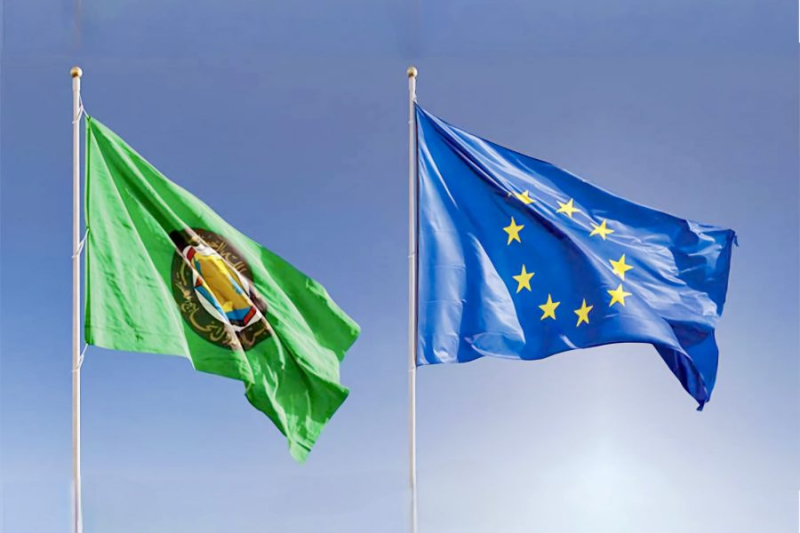

The Gulf Cooperation Council (GCC) has voiced significant concerns regarding proposed European Union legislation pertaining to corporate sustainability. A statement released Friday indicated the GCC believes the laws, designed to enhance environmental and human rights due diligence, could impose overly burdensome regulations on companies operating in Europe, potentially disrupting trade and energy supplies. The GCC comprises the United Arab Emirates, Bahrain, Saudi Arabia, Oman, Qatar, and Kuwait.
The laws in question are the Corporate Sustainability Due Diligence (CSDDD) and the Corporate Sustainability Reporting Directive (CSRD). These initiatives aim to hold companies accountable for their supply chain practices and require extensive reporting on environmental, social, and governance (ESG) factors. According to the GCC, the directives could necessitate adherence to the EU’s sustainability framework, plus additional requirements exceeding current international standards.
GCC Expresses Reservation About Expanding Corporate Sustainability Regulations
The core of the GCC’s objection lies in the potential for extraterritorial application of these EU laws. They fear that large European companies, and any international firms doing business with them, will effectively be compelled to adopt EU-defined sustainability standards, even outside of European borders. This could lead to complex compliance challenges and increased costs for Gulf-based businesses.
While acknowledging amendments proposed by the European Parliament intended to soften some of the regulations, the GCC stated these changes were insufficient. They expressed the belief that the revisions “do not meet the expectations” of Gulf states and still present considerable risks to their companies, particularly concerning market competitiveness. The proposed legislation could create an uneven playing field, potentially disadvantaging firms operating under different regulatory regimes.
Alignment with International Standards and Sovereign Rights
The GCC highlighted the commitment of its member states to international norms in human rights, environmental protection, and climate action. They pointed to active participation in United Nations mechanisms like the Paris Agreement and the UN Framework Convention on Climate Change as evidence of this dedication. The nations also emphasize their adherence to transparent reporting in relevant international forums.
However, the GCC asserted its commitment to maintaining sovereign rights in enacting national laws. They believe that their existing frameworks, aligned with global principles, are adequate, and external imposition of regulatory standards is unwarranted. This reflects a broader concern among many nations regarding the EU’s ambition to set global standards through regulation.
Potential Impact on Energy Supplies
The statement also raised concerns about the potential indirect impact on energy supplies to Europe. Despite the GCC states’ continuing role as reliable energy providers, the organization warned that the ongoing negotiations surrounding the laws could jeopardize the stability of those supplies. This suggests the GCC views the regulations as potentially impacting investment in the energy sector.
The concern isn’t necessarily about immediately halting energy exports, but about the long-term investment climate. Increased regulatory burdens might lead companies to reconsider projects and seek opportunities in markets with more predictable environments. This could contribute to reduced energy capacity in the future and affect Europe’s energy security.
Possible Business Responses
The GCC anticipates that companies operating within its member states that are subject to the new EU rules will be forced to undertake detailed risk assessments. The report indicates that some firms may even consider withdrawing from the European market if the regulatory costs and complexities become too high. Seeking alternative markets with less stringent requirements is also a potential response.
This potential market exit isn’t a stated threat, but rather a realistic outcome the GCC is highlighting to emphasize the consequences of the legislation. It’s a signal that the bloc believes the impact assessment conducted by the EU may not fully capture the challenges faced by businesses in the Gulf region. The complexity of global supply chains means that the laws could affect numerous entities indirectly.
In response, the GCC urged its European counterparts to reconsider the geographical scope of the legislation. They proposed limiting the application of the laws to within the EU’s boundaries, thus avoiding the unintended consequences of cross-border impact. This would allow the EU to pursue its sustainability goals without unduly burdening its trading partners.
The debate around EU sustainability reporting also involves questions of data availability and standardization. Gulf companies may face challenges in collecting and reporting data to meet the detailed requirements of the CSRD, particularly if those requirements differ significantly from existing practices. This factor contributes to the overall concern about compliance costs.
Adding to the complexity, the issue of ESG compliance varies significantly between the GCC nations. While all members are taking steps to improve sustainability performance, the pace and focus differ, making a unified response to a broad EU regulation challenging. The concern is amplified by the lack of clear guidance on how the regulations will be enforced in practice.
The coming weeks are critical as negotiations between the European Parliament, Council, and Commission continue. A final agreement on both the CSDDD and CSRD is expected before the end of the current legislative term in June. The specific details of the final texts will determine the extent to which the GCC’s concerns are addressed, and the potential impact on trade and investment relationships between Europe and the Gulf region remains uncertain.