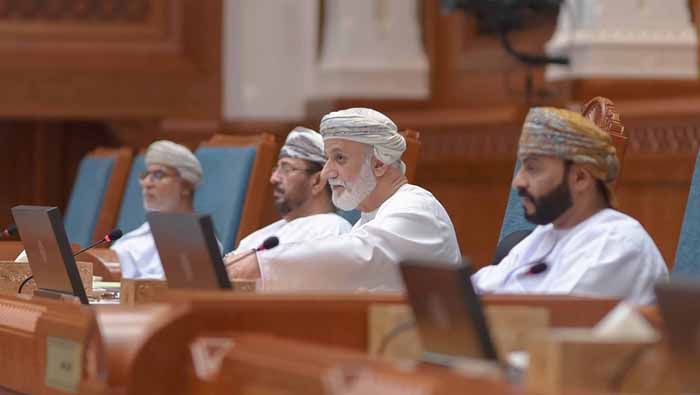

The State Council of Oman recently convened to discuss and approve key economic plans that will shape the nation’s future. Central to this discussion was the draft of the Eleventh Five-Year Development Plan (2026-2030) and the proposed State General Budget for the fiscal year 2026. These approvals represent a significant step forward in Oman’s ongoing commitment to sustainable growth and economic diversification, impacting everything from infrastructure projects to social welfare programs. This article delves into the details of the session and the implications of these approved plans for Oman’s future.
Oman’s Economic Future: Approving the Eleventh Five-Year Plan
The second session of the third ordinary convening of the eighth term of the State Council, held on Wednesday, focused intently on charting Oman’s economic course for the next five years. Chaired by Sheikh Abdulmalik bin Abdullah Al Khalili, Chairman of the State Council, the session underscored the importance of meticulous planning and budgetary oversight. The core of the discussion revolved around the report presented by the Expanded Economic and Financial Committee regarding the draft Eleventh Five-Year Development Plan.
This plan is crucial as it outlines the strategic objectives and initiatives Oman intends to pursue between 2026 and 2030. It’s expected to build upon the successes of previous plans while addressing emerging challenges and opportunities in a rapidly changing global landscape. The focus is likely to be on strengthening non-oil sectors, fostering innovation, and enhancing the overall quality of life for Omani citizens.
Key Areas of Focus in the 2026-2030 Plan
While specific details of the plan haven’t been publicly released, it’s anticipated that the Eleventh Five-Year Development Plan will prioritize several key areas. These likely include:
- Economic Diversification: Reducing reliance on oil revenue remains a central goal. The plan will likely outline strategies to promote tourism, manufacturing, logistics, and other non-oil sectors.
- Digital Transformation: Investing in digital infrastructure and skills development is expected to be a major component, aiming to create a more digitally-enabled economy.
- Sustainable Development: Environmental sustainability and responsible resource management will likely be integrated into all aspects of the plan.
- Human Capital Development: Investing in education, healthcare, and training programs to equip Omanis with the skills needed for the future job market.
State General Budget 2026: Fiscal Responsibility and Strategic Investment
Alongside the Five-Year Plan, the State Council also reviewed and approved the draft State General Budget for the fiscal year 2026. This budget is the financial roadmap for implementing the initiatives outlined in the development plan. The Expanded Economic and Financial Committee’s report on the budget was thoroughly discussed, ensuring alignment with the nation’s economic goals and fiscal realities.
A well-structured state budget is vital for ensuring that resources are allocated efficiently and effectively. It allows the government to prioritize spending on essential services, infrastructure projects, and social programs. The approval of the 2026 budget signals a commitment to fiscal responsibility and strategic investment in Oman’s future.
Balancing Revenue and Expenditure
The 2026 budget will likely reflect a careful balance between revenue projections and expenditure priorities. While oil revenue will continue to play a role, the budget is expected to increasingly rely on non-oil sources of income. This includes revenue from taxes, fees, and investments in diversified sectors.
Furthermore, the budget will need to account for potential global economic fluctuations and ensure that Oman remains financially resilient. Prudent financial management and efficient spending are crucial for achieving sustainable economic growth. The Oman economy is poised for growth, but careful planning is essential.
Moving Forward: Submission to the Council of Ministers
Following the State Council’s approval, both the draft Eleventh Five-Year Development Plan and the draft State General Budget for 2026 will be submitted to the Council of Ministers for final review and endorsement. This represents the next crucial step in the legislative process.
The Council of Ministers will likely conduct a comprehensive assessment of the plans and budget, ensuring they align with the overall national vision and priorities. Once approved by the Council of Ministers, these plans will be implemented across various government ministries and agencies. This collaborative approach ensures a coordinated and effective implementation of Oman’s economic strategy. The process highlights the importance of economic planning in Oman.
In conclusion, the State Council’s recent session marks a significant milestone in Oman’s journey towards sustainable economic development. The approval of the Eleventh Five-Year Development Plan and the State General Budget for 2026 demonstrates a strong commitment to long-term planning, fiscal responsibility, and strategic investment. These plans are expected to drive economic diversification, enhance the quality of life for Omani citizens, and position Oman for continued success in the years to come. To learn more about Oman’s economic vision and future projects, visit the official websites of the State Council and the Ministry of Economy.