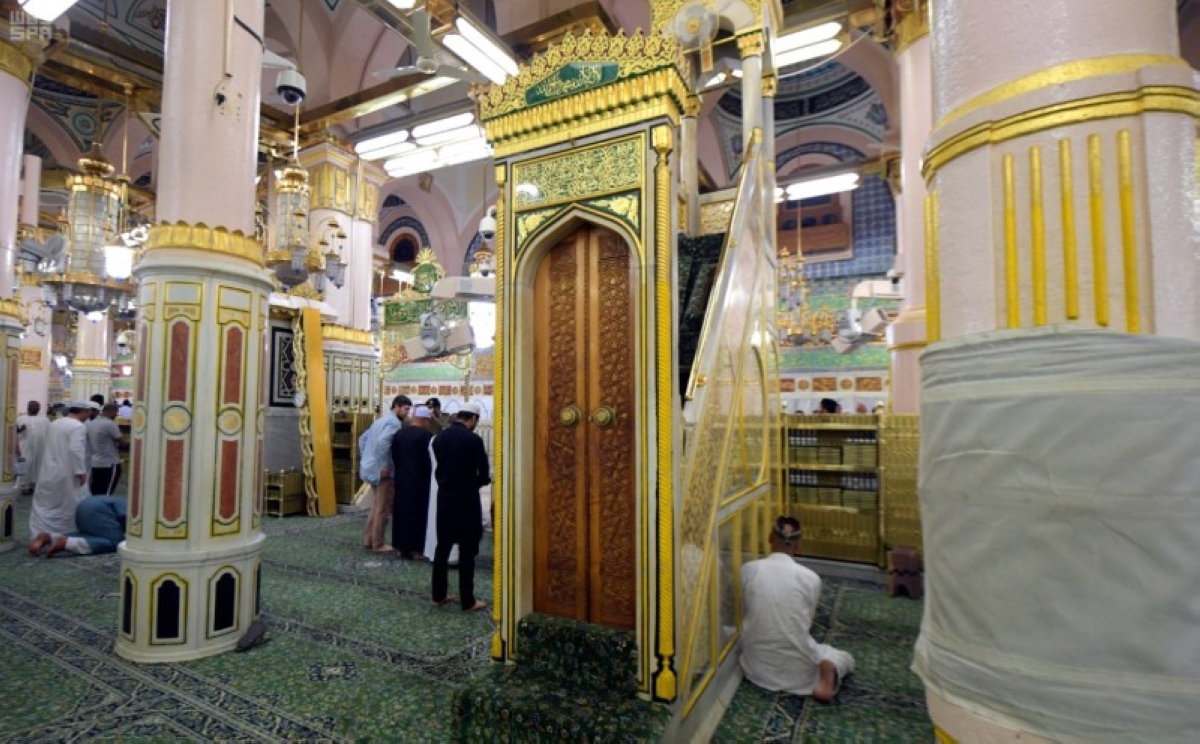

Saudi authorities have recently announced updated procedures for accessing the Noble Rawdah, a highly revered area within the Prophet’s Mosque in Madinah. Visiting the Rawdah now requires a pre-booked permit obtained through the official Nusuk platform, streamlining access and managing visitor flow. These changes aim to enhance the experience for pilgrims and worshippers while preserving the sanctity of this significant Islamic site.
The new regulations, effective immediately, apply to all individuals wishing to enter the Rawdah. Visitors are limited to booking a visit once every 365 days, though an “Instant Track” option is available for those already present near the Prophet’s Mosque. The designated entry point is through the southern courtyards, specifically in front of Makkah Gate 37, according to the official announcement.
Understanding the New Rawdah Access Procedures
The decision to implement a permit system for the Rawdah is part of a broader effort by Saudi Arabia to improve the organization and quality of services for pilgrims during Hajj and Umrah. Previously, access was often crowded and less regulated, leading to potential discomfort and safety concerns. The Nusuk platform, launched in 2023, serves as a centralized hub for planning and managing religious travel to Saudi Arabia, and integrating Rawdah access into this system is a logical extension.
The Nusuk platform allows visitors to select their preferred date and time slot, ensuring a more controlled and orderly entry process. This also allows authorities to better manage capacity within the Rawdah itself, a relatively small area of immense spiritual importance. The platform is available in multiple languages and offers support for users navigating the booking process.
Visiting Hours for Women
Visiting hours for women are currently scheduled for Sunday through Thursday from 9:00 AM to 11:00 AM, and from 6:00 PM to 8:00 PM. On Fridays, women are permitted to visit from 9:00 AM to 11:00 AM. These times are subject to change based on operational needs and crowd management, the ministry indicated.
Visiting Hours for Men
Men can access the Rawdah from Sunday through Thursday between 11:00 AM and 1:00 PM, and from 8:00 PM to 10:00 PM. Friday visiting hours for men are from 1:00 PM to 3:00 PM. Like women’s hours, these are subject to adjustments as needed.
The staggered timings for men and women are designed to provide dedicated access periods and minimize congestion. This approach reflects a commitment to ensuring a respectful and comfortable environment for all worshippers. The Ministry of Islamic Affairs, Dawah, and Guidance has emphasized the importance of adhering to the scheduled times.
Additionally, the authorities have made provisions for elderly visitors. Individuals requiring mobility assistance are permitted to enter using a manual wheelchair. This demonstrates a consideration for the needs of all pilgrims, including those with physical limitations. The availability of wheelchairs at the entrance is not explicitly stated, so visitors requiring assistance should plan accordingly.
The implementation of these procedures comes as Saudi Arabia continues to invest heavily in the infrastructure and services surrounding the holy mosques. Recent expansions of the Prophet’s Mosque, coupled with technological advancements like the Nusuk platform, are aimed at accommodating the increasing number of pilgrims and enhancing their overall experience. This focus on modernization and accessibility is a key component of the Kingdom’s Vision 2030 plan.
The “Instant Track” option provides a degree of flexibility for those who may not have pre-booked a permit but find themselves near the Prophet’s Mosque. However, availability is not guaranteed and is dependent on real-time capacity. Pilgrims are strongly advised to secure a permit in advance through the Nusuk platform to avoid potential disappointment. This feature is particularly useful for those making spontaneous visits or experiencing changes to their travel plans.
Related to the Rawdah access, the Saudi government has also been working to improve crowd control measures throughout both the Grand Mosque in Mecca and the Prophet’s Mosque in Medina. This includes utilizing advanced surveillance technology and deploying additional personnel to guide and assist pilgrims. These efforts are crucial for maintaining safety and order during peak seasons.
The long-term impact of these changes remains to be seen. The report indicates that authorities will be closely monitoring the effectiveness of the permit system and making adjustments as necessary. Future developments may include expanding the available time slots, introducing dynamic pricing based on demand, or integrating the system with other aspects of the pilgrimage experience. Pilgrims planning to visit the Rawdah should continue to check the Nusuk platform and official Saudi government announcements for the latest updates.
Looking ahead, the Ministry of Hajj and Umrah is expected to release further details regarding potential expansions of the Nusuk platform’s features. The success of the Rawdah permit system will likely influence the implementation of similar measures at other significant religious sites in Saudi Arabia. Monitoring visitor feedback and analyzing data from the platform will be essential for optimizing the process and ensuring a positive experience for all.