






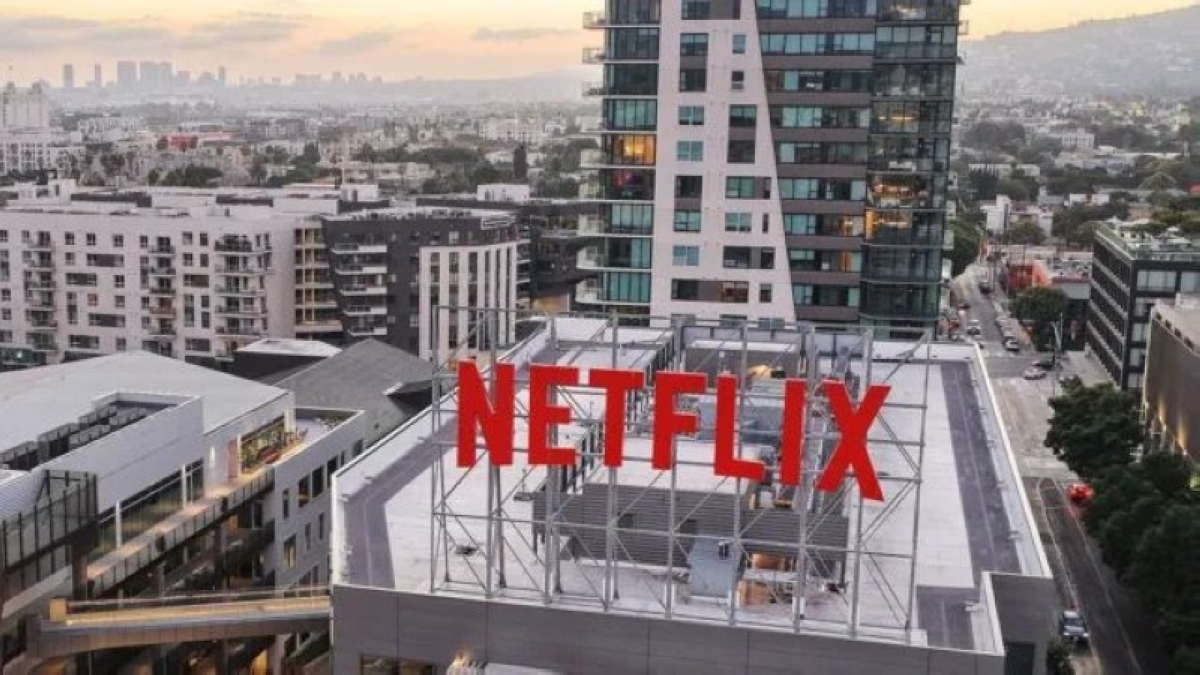

In a landmark deal reshaping the entertainment landscape, Netflix has agreed to acquire the film and streaming assets of Warner Bros Discovery for $72 billion. The agreement, announced Friday, positions Netflix to significantly expand its content library with iconic franchises like Harry Potter and Game of Thrones, as well as the HBO Max streaming service. This streaming acquisition is expected to face scrutiny from regulatory bodies, but signals Netflix’s ambition to dominate the global media market.
Netflix’s Major Acquisition of Warner Bros Discovery
The purchase price of $27.75 per share translates to an enterprise value of approximately $82.7 billion, encompassing Warner Bros Discovery’s debts. The move follows a competitive bidding process that included Comcast and Paramount Global, with Netflix ultimately emerging as the preferred buyer. According to sources familiar with the negotiations, Warner Bros Discovery initially considered offers for the entire company, but ultimately decided to focus on divesting its film and direct-to-consumer businesses.
Deal Structure and Timeline
The transaction is contingent upon Warner Bros Discovery completing its planned separation of its streaming and studios division from its global networks business. This separation, which includes cable channels like CNN and various sports networks, is anticipated to be finalized between July and September of next year. Once that is complete, Netflix will proceed with the takeover.
Both companies’ boards have unanimously approved the deal. Netflix co-chief executive Ted Sarandos stated the combination will allow the company to offer a wider range of content to its subscribers and “define the next century of storytelling.” Greg Peters, also a Netflix co-chief executive, emphasized the opportunity to reach a broader audience with Warner Bros’ properties.
Implications for the Entertainment Industry
Analysts predict the acquisition will trigger a substantial shift in the US film and media industry. The consolidation of content creation and distribution power within Netflix raises concerns about potential anti-competitive practices. Emma Wall, chief investment strategist at Hargreaves Lansdown, noted that US competition regulators are likely to closely examine the deal, as it creates a “global mega power in broadcast entertainment.”
The impact on traditional cinema is also a key consideration. Tom Harrington, head of television at Enders Analysis, suggested that Netflix’s acquisition of Warner Bros’ studio business could further undermine the theatrical release model. He anticipates potential reductions in overall television and film production, which could draw opposition from Hollywood creatives and unions.
Potential Challenges and Concerns
Despite the potential benefits, the integration of Warner Bros Discovery’s assets into Netflix is not without its challenges. Paolo Pescatore, founder of PP Foresight, described the move as “uncharted waters,” pointing to the difficulties often encountered in executing large media acquisitions. He stressed the need for a “razor sharp focus on integration and execution” to ensure the deal’s success.
Furthermore, the future of HBO, a critically acclaimed and culturally significant brand, remains uncertain within the Netflix structure. While HBO has demonstrated resilience under previous ownership, its creative independence could be compromised. Consumers may also face increased costs, as a merged entity could lead to higher subscription prices for video on demand services.
The Future of Streaming and Media Consolidation
This acquisition is the latest example of ongoing consolidation within the entertainment industry, driven by the shift towards streaming and the need for scale. The deal underscores the growing importance of direct-to-consumer distribution and the value of owning a vast library of intellectual property.
The next crucial step is the review and potential approval by competition authorities. The timeline for this process remains unclear, and regulators could impose conditions on the acquisition to address anti-competitive concerns. Industry observers will be closely watching how Netflix manages the integration of Warner Bros Discovery’s assets and whether the combined entity can successfully navigate the evolving media landscape.
The deal also leaves Paramount Global potentially seeking alternative strategies after its initial bid for the entire Warner Bros Discovery company was rejected. The future of media companies and their ability to compete in the age of streaming will continue to be a major topic of discussion.