
European leaders are grappling with critical issues impacting the continent, from bolstering support for Ukraine to navigating a burgeoning housing crisis and addressing civil unrest. German Chancellor Friedrich Merz is currently in Brussels seeking agreement on a proposed reparations loan for Ukraine, a key component of ongoing financial aid. Simultaneously, US envoys are engaged in a third round of negotiations with Ukrainian representatives in Florida, signaling continued, high-level diplomatic efforts to address the conflict.
These developments are unfolding alongside a significant push within the European Union to address energy security and a worsening housing affordability situation. Commissioner for Energy and Housing, Dan Jørgensen, is leading initiatives to reduce the EU’s dependence on Russian gas and tackle the challenges of providing adequate and affordable housing for its citizens. In Bulgaria, days of protests over a controversial budget plan have prompted the government to pause its implementation, raising concerns about the country’s economic stability ahead of its Eurozone entry in January.
Ukraine Financial Aid and Diplomatic Efforts
The proposed German reparations loan for Ukraine represents a contentious but potentially vital source of funding as the conflict with Russia continues. According to sources within the German government, the mechanism would involve using frozen Russian assets to provide loans to Ukraine for reconstruction and essential services. However, legal and political hurdles remain regarding the seizure and repurposing of these assets, requiring consensus among EU member states.
Meanwhile, the ongoing US-Ukraine negotiations in Florida – led by [mention specific US envoy if known, otherwise omit] – focus on long-term security assurances and potential economic packages. Details of these discussions remain limited, but reports suggest a focus on bolstering Ukraine’s defense capabilities and attracting foreign investment. This secondary track of negotiations reinforces the international commitment to supporting Ukraine amid the ongoing war.
EU Energy Policy and the Russian Gas Transition
The EU’s attempts to wean itself off Russian gas continue under the leadership of Commissioner Dan Jørgensen. The invasion of Ukraine exposed the vulnerability of many European nations reliant on Russian energy imports. This has spurred investments in renewable energy sources, diversification of gas supply routes, and energy efficiency measures.
Jørgensen’s role is particularly crucial given the current market volatility and the need to ensure energy affordability for consumers. The bloc’s REPowerEU plan, unveiled in May 2022, aims to rapidly reduce dependence on Russian fossil fuels, and the Commissioner is tasked with accelerating its implementation.
Bulgaria’s Budget Concerns and Eurozone Integration
Bulgaria’s impending entry into the Eurozone in January has been overshadowed by public discontent over the proposed 2026 budget. Mass protests across the country, fueled by concerns about austerity measures and their potential impact on living standards, pressured the government to reconsider its plans. The budget’s pause introduces uncertainty around the financial preparations for Euro adoption.
The political climate in Bulgaria has been unstable, with several governments falling in recent years. Further delays or significant revisions to the budget could jeopardize the country’s ability to meet the convergence criteria required for Eurozone membership. The European Central Bank outlines these criteria on its website.
Stay Informed with “Europe Today”
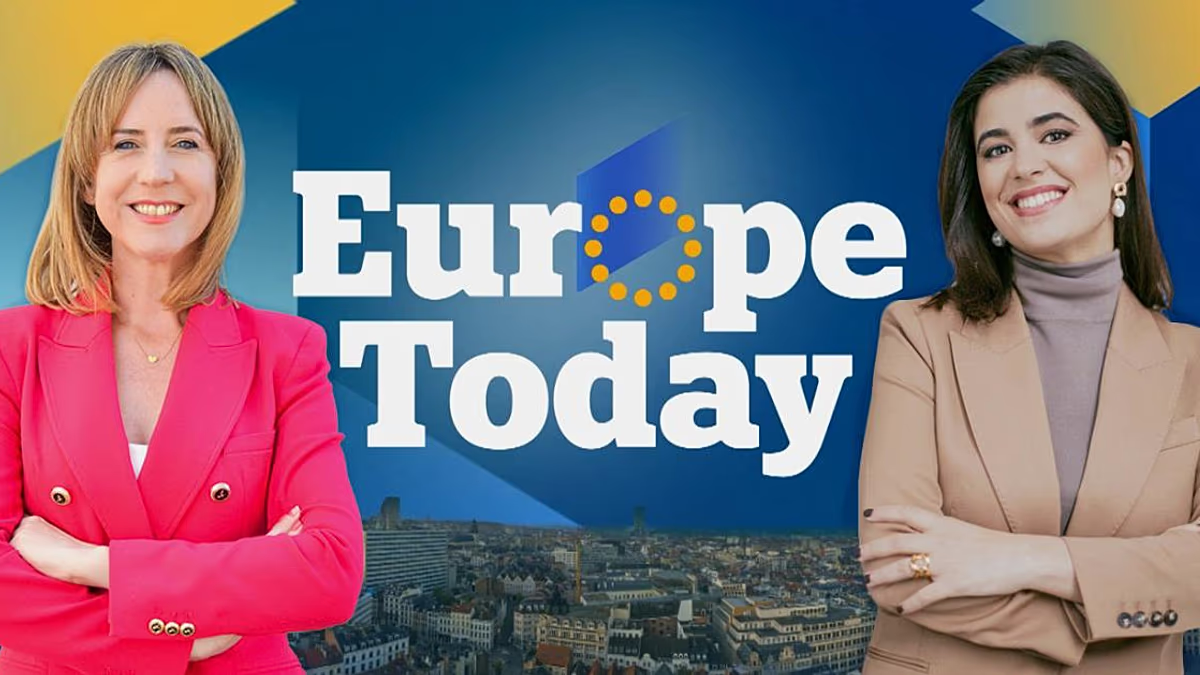
To keep abreast of these and other vital European stories, tune into “Europe Today” every morning at 8:00 CET on Euronews. Anchored by Méabh Mc Mahon and EU editor Maria Tadeo, the show offers a comprehensive overview of the day’s key events and insightful analysis of the forces shaping the EU and its role in the world.
“Europe Today” is broadcast in English with real-time subtitles available in 11 other languages, ensuring accessibility for a broad audience. For detailed and impartial reporting on European affairs, visit Euronews online.