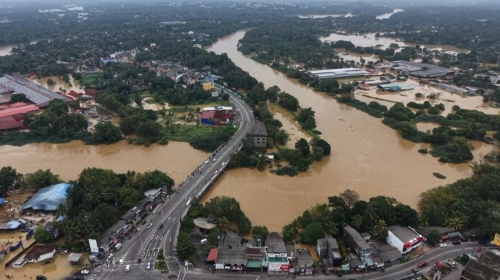

The recent devastating floods and landslides across Southeast Asia and the Indian Ocean have triggered an outpouring of international support. Bahrain, through its Ministry of Foreign Affairs, has expressed its deep sorrow and extended a hand of solidarity to Indonesia, Thailand, and Sri Lanka, nations grappling with immense loss and widespread destruction from these natural disasters. The scale of the tragedy, with reported fatalities exceeding 1300, underscores the urgent need for continued assistance and a focus on disaster preparedness in the region.
Bahrain Extends Condolences and Support
The Ministry of Foreign Affairs of Bahrain swiftly released a statement conveying the Kingdom’s sincere sympathy to the governments and people of Indonesia, Thailand, and Sri Lanka. This expression of support highlights Bahrain’s commitment to international humanitarian efforts and its recognition of the shared vulnerability to extreme weather events. The message specifically offered deepest condolences to the families who have lost loved ones and wished a speedy recovery to those injured in the widespread flooding and landslides.
This isn’t merely a symbolic gesture. Bahrain has a history of providing aid during times of crisis, and this response signals a potential for further practical assistance to the affected countries. The Ministry’s statement emphasized Bahrain’s standing with these nations during this incredibly difficult time, reinforcing diplomatic ties and demonstrating regional cooperation.
The Scale of the Tragedy: Impact Across Three Nations
The impact of the recent weather systems has been particularly severe, resulting in a catastrophic loss of life and significant infrastructure damage. While each country faces unique challenges, the common thread is the overwhelming devastation caused by excessive rainfall and subsequent landslides.
Indonesia’s Flood Crisis
Indonesia has been battling severe flooding in several regions, including parts of Java and Sumatra. Reports indicate that thousands have been displaced from their homes, seeking refuge in temporary shelters. The flooding has disrupted daily life, damaged critical infrastructure like roads and bridges, and hampered rescue efforts. The Indonesian government is working to provide aid and support to those affected, but the sheer scale of the disaster presents a formidable challenge.
Thailand Under Water
Thailand has also experienced widespread flooding, impacting numerous provinces and causing significant economic disruption. Agricultural lands have been submerged, leading to concerns about food security and livelihoods. The floodwaters have also affected transportation networks, making it difficult to deliver essential supplies to isolated communities. Authorities are focused on evacuating residents from vulnerable areas and providing emergency relief.
Sri Lanka Devastation
Sri Lanka has been the hardest hit, with the death toll tragically exceeding 1300 according to recent reports. Landslides, triggered by relentless rainfall, have buried entire villages, making rescue operations incredibly difficult. The country is facing a massive humanitarian crisis, with a desperate need for clean water, food, shelter, and medical assistance. The long-term recovery process will be extensive and require substantial international support. The impact of these natural disasters on Sri Lanka’s economy is also expected to be significant.
The Importance of Disaster Preparedness and Climate Resilience
The recent events serve as a stark reminder of the increasing frequency and intensity of extreme weather events globally. While these specific floods and landslides were triggered by a complex interplay of meteorological factors, the underlying vulnerability of these regions is exacerbated by climate change. Rising sea levels, changing rainfall patterns, and increased deforestation all contribute to the risk of flooding and landslides.
Investing in robust disaster preparedness measures is crucial for mitigating the impact of future events. This includes:
- Early warning systems: Providing timely alerts to communities at risk.
- Infrastructure development: Building flood defenses and improving drainage systems.
- Land-use planning: Avoiding construction in high-risk areas.
- Community education: Raising awareness about disaster risks and preparedness measures.
Furthermore, building climate resilience is essential for long-term sustainability. This involves reducing greenhouse gas emissions, promoting sustainable land management practices, and investing in adaptation measures to cope with the inevitable impacts of climate change. International collaboration and financial assistance are vital to support these efforts, particularly in developing countries that are disproportionately vulnerable to climate-related disasters.
The situation also highlights the need for improved emergency response capabilities, including well-equipped rescue teams and efficient logistics for delivering aid to affected areas. Coordination between national governments, international organizations, and local communities is paramount for ensuring an effective and timely response.
Looking Ahead: Continued Support and Recovery
The road to recovery for Indonesia, Thailand, and Sri Lanka will be long and arduous. Beyond the immediate emergency relief efforts, sustained support will be needed to rebuild infrastructure, restore livelihoods, and address the long-term psychological impact of these devastating natural disasters. Bahrain’s initial expression of sympathy is a positive step, and it is hoped that this will be followed by concrete assistance to help these nations rebuild and become more resilient to future challenges. The international community must continue to stand in solidarity with these countries, providing the resources and expertise needed to overcome this tragedy and build a more sustainable future.