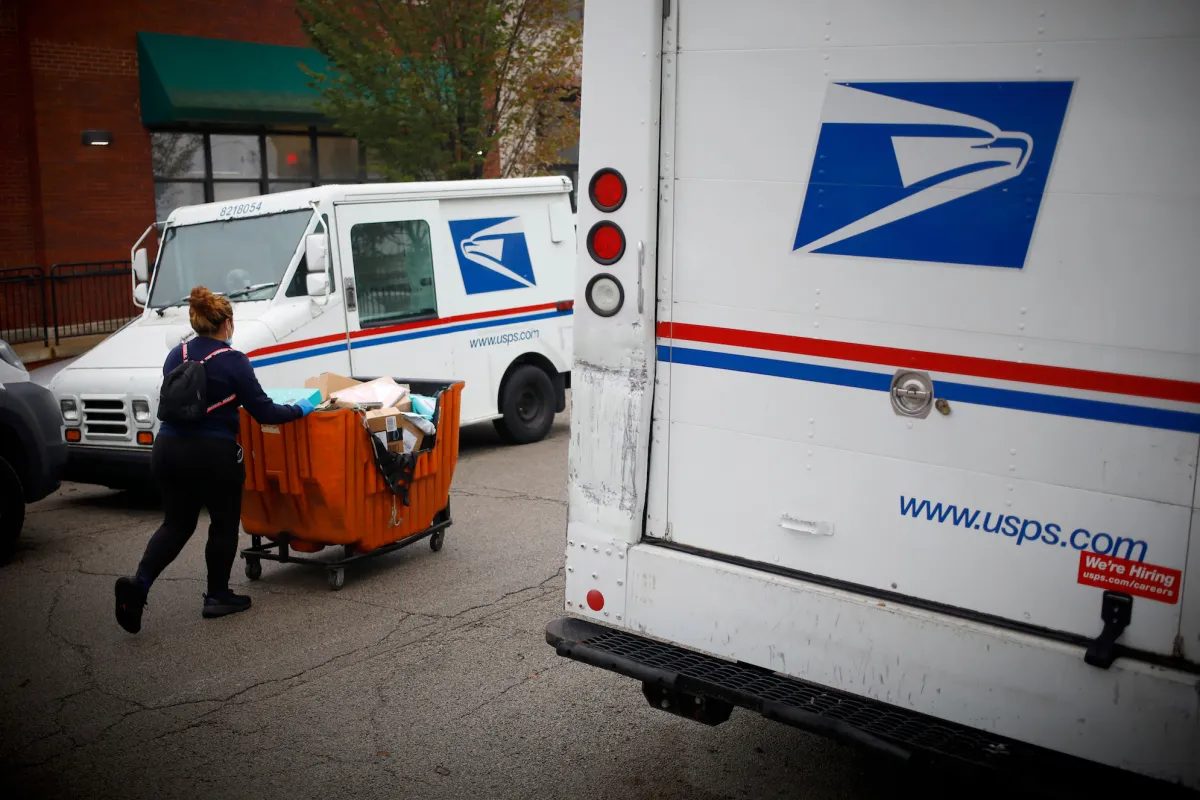

Amazon is reportedly considering building its own nationwide delivery network, potentially ending its longstanding contract with the United States Postal Service (USPS). This move, first reported by The Washington Post, could significantly reshape the future of package delivery in the United States and impact both companies. The current agreement is set to expire in October 2026, initiating a period of evaluation and potential disruption in the logistics landscape.
The possibility of Amazon severing ties with the USPS comes amid ongoing negotiations about a new contract and heightened scrutiny of the postal service’s financial stability. These discussions have been further complicated by past political pressures to privatize the USPS, creating an uncertain environment for future collaboration. The potential shift has implications for consumers, businesses, and the broader e-commerce ecosystem.
The Future of Amazon Package Delivery
Amazon currently relies heavily on the USPS for “last mile” delivery – the final leg of getting a package to a customer’s doorstep. In 2023, Amazon paid the USPS billions of dollars for this service, representing approximately 7.5% of the agency’s total revenue. This partnership has been crucial for the USPS as it navigates declining mail volumes and increasing operational costs.
However, Amazon has been steadily investing in its own logistics infrastructure for years. This includes a fleet of airplanes through Amazon Air, thousands of electric delivery vans manufactured by Rivian, and a developing, though currently challenged, drone delivery program. Additionally, the company is pursuing autonomous vehicle technology through its subsidiary, Zoox.
USPS Response and Contract Negotiations
According to an Amazon spokesperson, Steve Kelly, the company was “surprised to hear” the USPS intends to auction off some of its shipping capacity. This suggests the postal service is seeking to maximize revenue from its delivery services, potentially making it less competitive for Amazon’s business. Kelly stated that Amazon is now “evaluating all of our options” to ensure continued reliable delivery for its customers.
The USPS has not publicly commented on the specifics of the potential auction, but officials have acknowledged the ongoing negotiations with Amazon. The agency faces significant financial pressures, including a need for substantial capital investments to modernize its infrastructure and address long-term pension obligations. Securing favorable terms with major customers like Amazon is vital to its financial health.
Impact on the Logistics Industry
A full transition by Amazon to its own delivery network would likely intensify competition in the shipping and logistics sector. Companies like UPS and FedEx already dominate the market, and Amazon’s entry as a full-fledged competitor could drive down prices and increase pressure on existing players. This could also lead to further consolidation within the industry.
For the USPS, losing Amazon as a major customer would be a significant blow. The agency would need to find alternative revenue streams to offset the loss, potentially through increased prices for other services or further cost-cutting measures. Some analysts suggest the USPS could focus on delivering to rural areas where Amazon’s network may be less efficient.
The development also raises questions about the future of the USPS’s universal service obligation – the requirement to deliver mail to every address in the country, regardless of location. Maintaining this obligation in the face of financial challenges is a key concern for policymakers and postal workers. The potential for increased reliance on private carriers for last-mile delivery could exacerbate existing concerns about equitable access to postal services.
Challenges Facing Amazon’s Delivery Expansion
While Amazon has made substantial progress in building its own delivery network, it still faces significant hurdles. The drone delivery program, for example, has encountered regulatory delays and technical challenges, including a recent investigation by the Federal Aviation Administration. Scaling up a nationwide delivery operation is a complex undertaking, requiring significant investment in infrastructure, technology, and personnel.
Furthermore, Amazon may encounter resistance from labor unions as it expands its workforce. The Teamsters union, for instance, has been actively organizing Amazon workers and advocating for better wages and working conditions. Successfully navigating these labor relations will be crucial for Amazon’s long-term success in the last mile delivery space.
Another factor to consider is the potential for increased scrutiny from regulators. As Amazon’s market power grows, policymakers may be more inclined to investigate its business practices and ensure fair competition. This could lead to new regulations that impact Amazon’s delivery operations and overall business model. The evolving landscape of e-commerce logistics is also impacted by fuel costs and supply chain disruptions.
The move also presents challenges in maintaining consistent service levels across a vast and diverse geography. The USPS has decades of experience navigating these complexities, and replicating that expertise will require significant effort and investment on Amazon’s part. Efficient parcel delivery relies heavily on established infrastructure and a skilled workforce.
The deadline for a decision looms with the expiration of the current contract in October 2026. Negotiations are expected to continue, and the outcome remains uncertain. Observers will be closely watching for any further statements from both Amazon and the USPS, as well as any regulatory actions that may impact the future of their relationship. The development of Amazon’s own network, and the FAA investigation into its drone program, will also be key indicators of the company’s commitment to independent delivery.