
The Syrian Arab Republic will be the guest of honor at the third “Made in Saudi Arabia” exhibition, set to take place in Riyadh from December 15–17, 2025. This event, organized by the Saudi Export Development Authority, highlights the Kingdom’s commitment to bolstering regional economic ties and promoting its national industrial sector. The participation signifies a notable deepening of economic engagement between Saudi Arabia and Syria following recent diplomatic improvements.
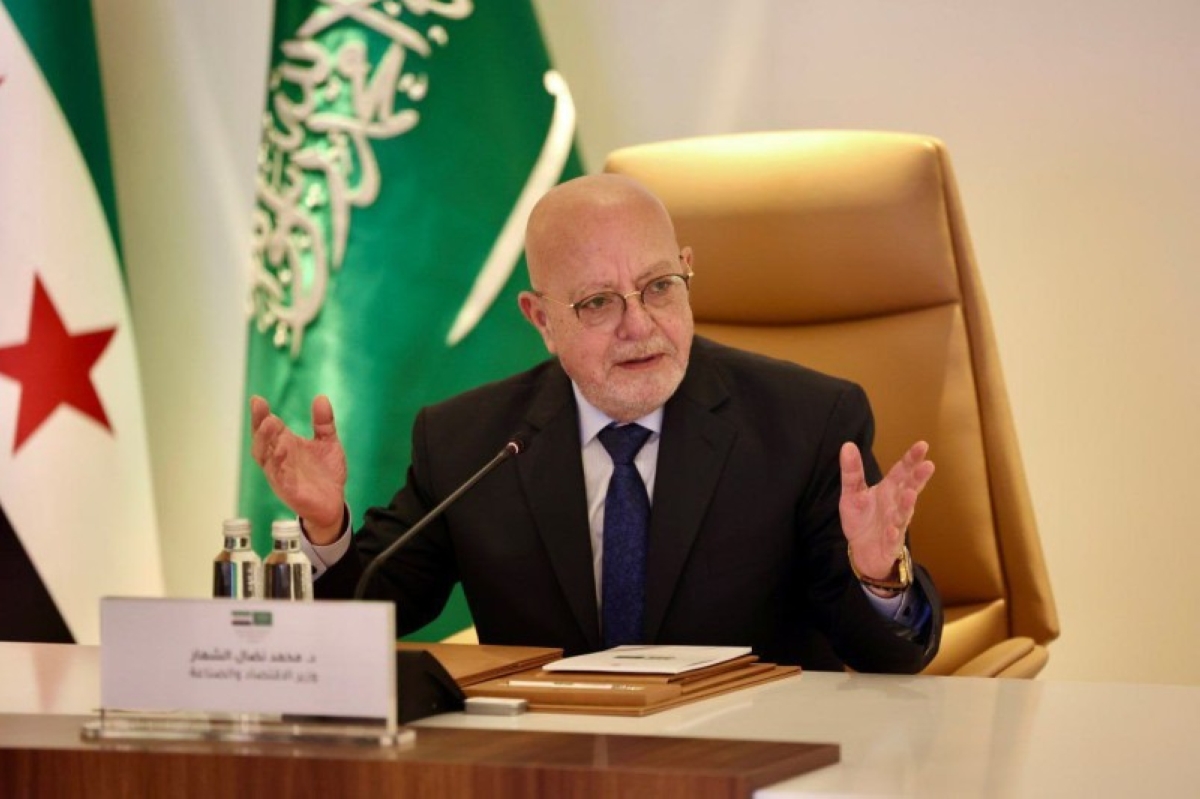
The exhibition will be held at the Riyadh International Convention & Exhibition Center in Malham and will showcase a variety of Syrian products and services. The Syrian delegation, led by Minister of Economy and Industry Dr. Muhammad Nidal al-Shaar, intends to present opportunities for collaboration and investment in a post-conflict Syrian economy. The event aims to facilitate the exchange of expertise and foster joint ventures between businesses in both nations, as well as broader pan-Arab cooperation.
Strengthening Economic Ties Through “Made in Saudi Arabia”
The selection of Syria as the guest of honor reflects Saudi Arabia’s evolving foreign policy and its increasing focus on regional economic integration. Following years of strained relations due to the Syrian Civil War, Saudi Arabia has taken steps toward normalizing ties with the Assad government, including restoring diplomatic representation. This shift in relations is now extending to the economic sphere, with the “Made in Saudi Arabia” exhibition serving as a key platform for this renewed engagement.
According to the Saudi Export Development Authority, the “Made in Saudi Arabia” program aims to elevate the nation’s products and services both within the domestic market and internationally. This involves promoting the quality, innovation, and competitiveness of Saudi-made goods. The program is a cornerstone of the Kingdom’s Vision 2030 diversification plan, which seeks to reduce reliance on oil revenues and foster non-oil economic growth.
Syria’s Participation Details
More than 25 Syrian companies representing various industrial and service sectors will participate in the exhibition. The delegation’s efforts will take place under the slogan “We Are Alike,” which debuted during Saudi Arabia’s involvement in the Damascus International Fair earlier this year. This messaging underscores the cultural and historical connections between the two countries and highlights a mutual interest in economic development.
Specific industries represented from Syria are not yet detailed, but initial reports suggest a focus on rebuilding materials, food processing, and pharmaceutical products. These sectors align with Syria’s immediate needs following years of conflict and represent potential areas for Saudi investment and partnership. The Ministry of Economy and Industry in Syria is reportedly coordinating closely with Saudi authorities to ensure a productive and impactful presence at the event.
The broader context of Syria’s participation also involves ongoing efforts to attract foreign investment into the country. The Syrian government is actively seeking support to rebuild its infrastructure, revive its industries, and create employment opportunities. While challenges related to sanctions and political instability remain, the “Made in Saudi Arabia” exhibition provides a visible signal of intent regarding easing those obstacles.
Additionally, the event is anticipated to draw interest from other Arab nations looking to expand their commercial relationships with both Saudi Arabia and Syria. This could lead to a cascade of agreements and initiatives aimed at increasing intra-regional trade and investment. The overall objective is to create a more resilient and diversified Arab economy.
Implications for Regional Manufacturing
Experts suggest the event has the potential to significantly boost regional manufacturing capacity. Expanding manufacturing opportunities within Syria could help stabilize the country and create a path toward sustainable economic recovery. The strategic geographic location of Syria, connecting markets in the Middle East, Europe, and Africa, makes it a potentially valuable manufacturing hub.
However, the success of collaborative efforts will depend on navigating significant logistical and political hurdles. International sanctions, the ongoing reconstruction needs, and the complexities of the Syrian regulatory environment pose challenges for potential investors. Overcoming these obstacles will require sustained diplomatic engagement and the development of clear investment frameworks.
The “Made in Saudi Arabia” exhibition itself isn’t solely focused on outward investment; it’s also a venue for showcasing Saudi industrial capabilities. This includes sectors like petrochemicals, defense, and renewable energy. The event provides a platform for Saudi companies to explore potential export markets and forge partnerships with businesses from across the region, boosting the Saudi economy overall. A key component of Vision 2030 is increasing non-oil exports, and this exhibition directly supports that goal.
Some analysts point to the potential for increased competition in certain sectors, particularly those where Saudi Arabia and Syria have overlapping industrial capacities. However, the prevailing sentiment is that collaboration and specialization will ultimately outweigh these concerns, leading to a more integrated and efficient regional industrial base. The focus on Made in Saudi Arabia products is also expected to encourage the development of local supply chains within Syria.
The next step involves finalizing the list of participating Syrian companies and coordinating logistical arrangements for their presence at the exhibition. The Saudi Export Development Authority will continue its promotional campaign leading up to the event, aiming to attract a diverse range of investors and business partners. Monitoring the level of actual investment commitments made during and following the exhibition will be crucial in assessing the long-term impact of this initiative, as will tracking geopolitical developments that may influence the situation.