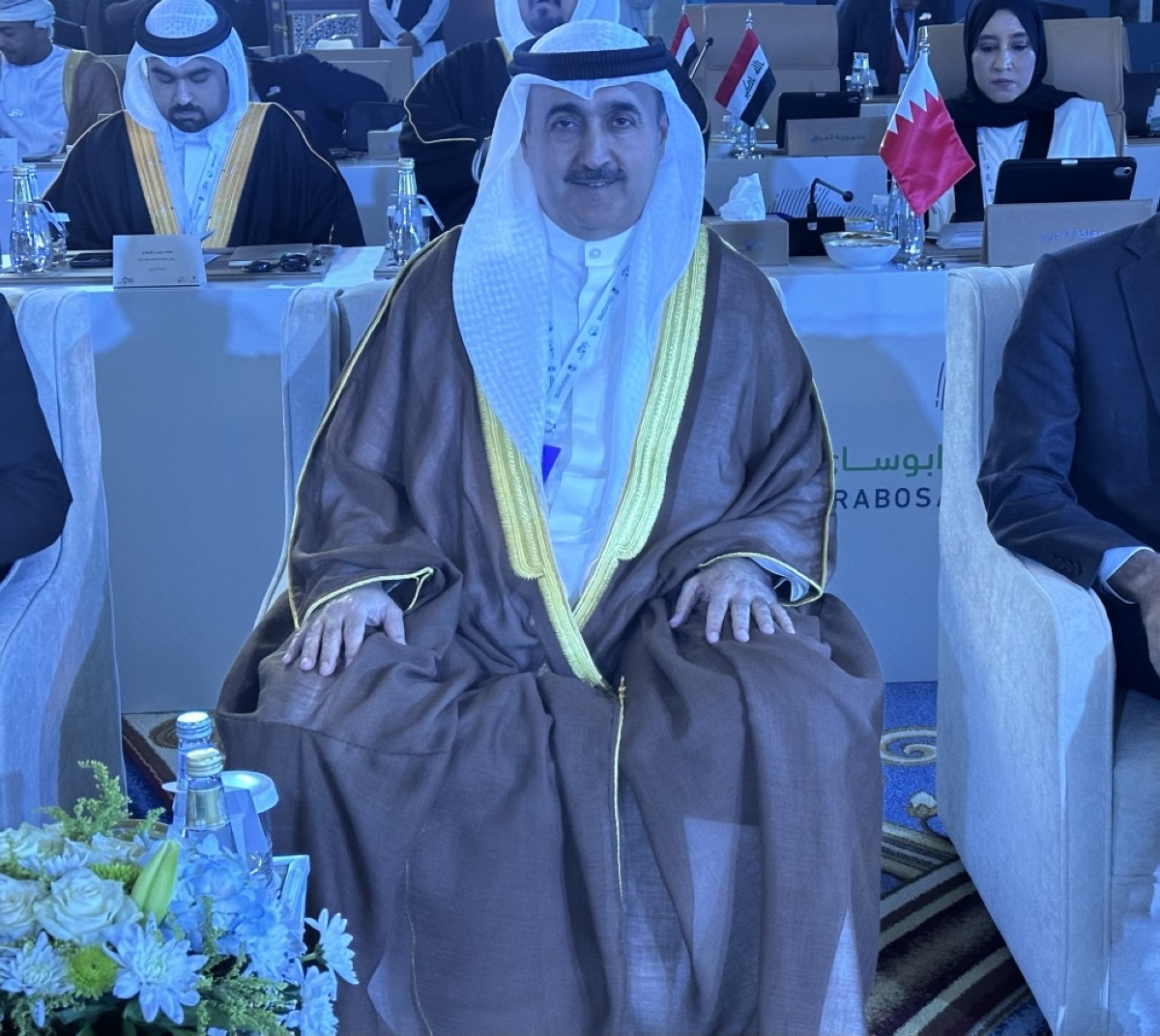

The Kuwait State Audit Bureau (SAB) has cemented its position as a leading voice in regional financial oversight, securing a coveted seat on the Executive Council of the Arab Organization of Supreme Audit Institutions (ARABOSAI) for a six-year term. This significant achievement, announced during the 15th session of ARABOSAI’s General Assembly in Jeddah this week, underscores Kuwait’s commitment to transparency, accountability, and best practices in auditing. The election signals growing recognition of Kuwait’s expertise within the Arab audit community and will enable greater influence in shaping the future of public sector auditing across the region.
Kuwait’s State Audit Bureau Joins ARABOSAI Executive Council
The appointment of Kuwait’s SAB to the ARABOSAI Executive Council is a testament to its dedicated efforts in promoting sound financial governance. Dr. Saud Al-Zamanan, Acting Assistant Undersecretary for Financial, Administrative, Legal and Pre-Audit Affairs, expressed immense pride in the bureau’s success. He stated to the Kuwait News Agency (KUNA) that this victory reflects the confidence placed in Kuwait by its fellow Arab audit institutions.
The Kuwaiti delegation attending the assembly included State Audit Bureau President Essam Al-Roumi, Dr. Al-Zamanan, Director General of the President’s Office Fawzia Al-Enezi, and Khalil Al-Wazzan, Supervisor of the Production and Manufacturing Control Department for Oil Entities. Kuwait’s Consul General in Jeddah, Yousef Al-Tunaib, also participated, demonstrating the nation’s broad support for this important regional body. This active involvement highlights the importance Kuwait places on strengthening collaborative oversight mechanisms.
Strengthening Regional Audit Cooperation
The General Assembly, a three-day event held in Jeddah, served as a crucial platform for member institutions to discuss and advance common goals. A primary focus of the sessions was enhancing collaboration and performance efficiency among members. Discussions centered around adopting recommendations designed to support joint initiatives and address emerging challenges in the field of government auditing.
Furthermore, the assembly addressed the need for continuous professional development. A dedicated technical seminar focused on capacity building, reviewing successful audit practices from across the Arab world, and evaluating the effectiveness of existing training programs. This commitment to upskilling audit professionals is vital for maintaining the integrity and effectiveness of public financial management.
Key Themes and Discussions
Several key themes emerged during the assembly, reflecting the evolving landscape of public finance. Dr. Hossam Al-Anqari, President of Saudi Arabia’s General Auditing Bureau and ARABOSAI Chairman, emphasized the critical importance of modernizing audit practices. He advocated for the adoption of advanced technologies, such as data analytics and artificial intelligence, to improve efficiency and bolster transparency. This aligns with Saudi Arabia’s Vision 2030, which prioritizes administrative reform and oversight excellence.
Fadila Gargouri, First Vice President of Tunisia’s Court of Accounts, highlighted ARABOSAI’s increasing focus on aligning audit practices with the Sustainable Development Goals (SDGs). She stressed the need for expanded partnerships with the International Organization of Supreme Audit Institutions (INTOSAI) and other international organizations to strengthen oversight capabilities throughout the Arab region. This demonstrates a commitment to global best practices and a broader vision of responsible governance.
The Role of ARABOSAI in Promoting Transparency
Established in 1976, ARABOSAI plays a pivotal role in fostering cooperation among supreme audit institutions within the League of Arab States. The organization’s core mission is to promote transparency and accountability, ultimately leading to improved government performance. ARABOSAI achieves this through a variety of initiatives, including knowledge sharing, capacity building, and the development of common auditing standards.
Counselor Mohamed Al-Faisal, President of Egypt’s Central Auditing Organization and President of INTOSAI, lauded ARABOSAI as a long-standing professional platform that encourages Arab integration in the realm of public audit. He specifically commended programs like the Arab Auditor Fellowship Program, which are instrumental in enhancing auditing capacities across the region. This program, and others like it, contribute directly to the development of a highly skilled and ethical audit profession within the Arab world.
The assembly concluded with the 70th meeting of ARABOSAI’s Executive Council, where key organizational matters were addressed, solidifying the path forward for the organization. The Kuwait State Audit Bureau’s presence on this council will undoubtedly contribute to the development of impactful policies and initiatives. The focus on financial accountability remains paramount.
In conclusion, Kuwait’s successful bid for a seat on the ARABOSAI Executive Council is a significant win for the nation and a positive step for the entire Arab audit community. It reflects the high regard for Kuwait’s expertise in auditing and its unwavering commitment to transparency, accountability, and good governance. This development sets the stage for strengthened regional cooperation and continued progress toward a more robust and effective public sector audit landscape in the Arab world. Readers interested in learning more about ARABOSAI and its initiatives can visit their official website [Insert Placeholder Website Address Here].