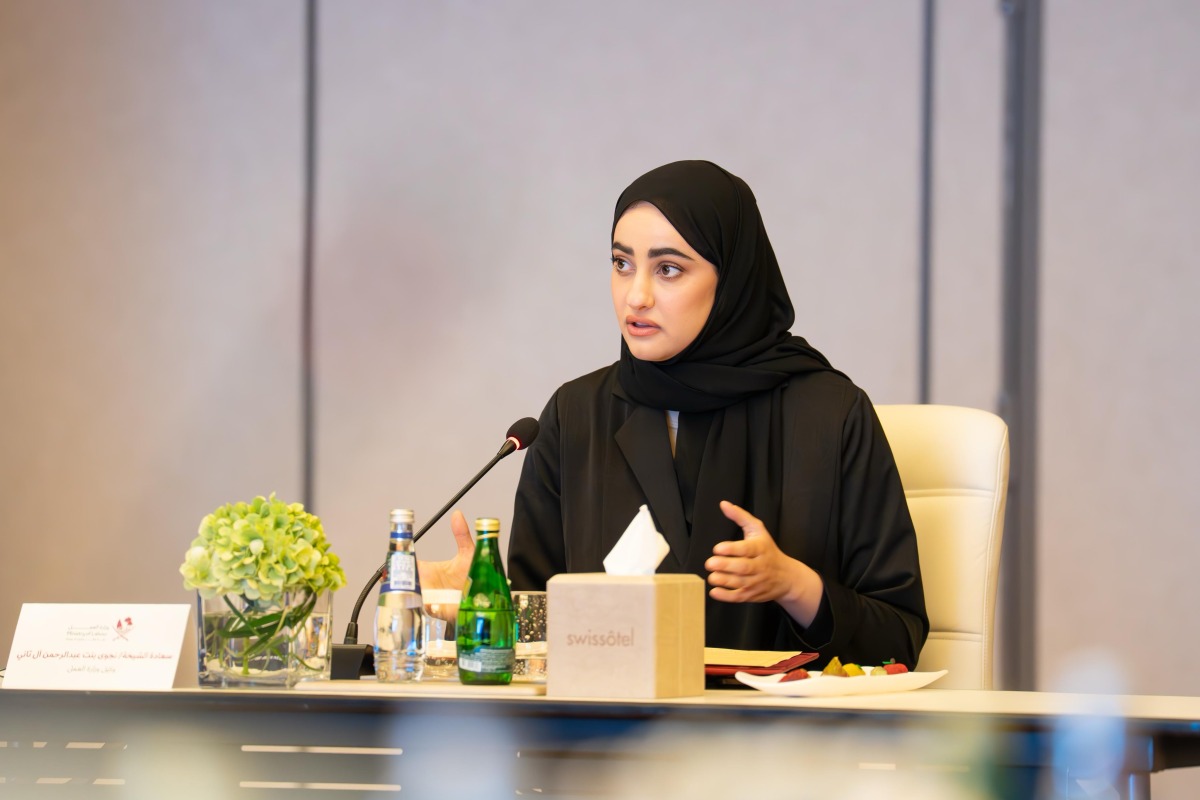

Doha, Qatar – The Ministry of Labour of Qatar, in partnership with the Building and Wood Workers’ International (BWI), concluded a series of roundtable discussions on December 2, 2025, focused on enhancing the construction sector’s labor standards and safety protocols. The meetings, held December 1-2, brought together government officials, civil society organizations, employers, workers’ representatives, and the International Labour Organization (ILO) to address key issues within the industry. This initiative reflects Qatar’s ongoing commitment to improving working conditions and upholding human rights in preparation for, and beyond, major national projects.
Led by Undersecretary of the Ministry of Labour H.E. Sheikha Najwa bint Abdulrahman Al-Thani and Assistant Undersecretary for Migrant Labour Affairs H.E. Hamad Faraj Dalmouk, the discussions took place in Doha and aimed to align national regulations with international best practices. The ultimate goal, as stated by the ministry, is to create a more secure, equitable, and sustainable work environment for all involved in the building and woodworking trades, supporting the nation’s wider economic goals.
Strengthening Qatar’s Construction Sector
Qatar’s construction sector plays a pivotal role in the country’s economic diversification, driven by extensive infrastructure development related to both the FIFA World Cup 2022 legacy and ongoing projects aligned with the Qatar National Vision 2030. This vision emphasizes sustainable development, social inclusion, and improved quality of life for residents. The Ministry of Labour recognizes the need to continually refine and enhance the legislative framework governing this crucial industry.
These roundtable meetings represent a key element in Qatar’s proactive approach to labor reform. The country has faced international scrutiny regarding worker welfare, particularly in the lead-up to the World Cup, and has subsequently implemented several changes to employment laws and enforcement mechanisms. According to reports from the ILO, recent reforms have included strengthening wage protection systems and increasing penalties for labor violations.
Key Discussion Points
Discussions centered around several core areas, including improving alignment of national laws and regulations with globally recognized labor standards. Emphasis was also placed on occupational health and safety, aiming to minimize workplace accidents and ensure comprehensive worker protection. Experts explored practical strategies for implementing these standards across various project sites and company sizes.
Additionally, participants debated the development of a comprehensive implementation plan for the construction sector, extending beyond legal compliance to encompass ethical recruitment practices. The issue of fair recruitment, aiming to eliminate exploitative fees and deceptive practices targeting migrant workers, was a recurring theme. The Ministry of Labour is reportedly considering updates to visa and work permit procedures to further safeguard worker rights.
The BWI’s participation brought a valuable international perspective to the deliberations. The organization, representing building workers worldwide, shared experiences and insights from other countries undergoing similar infrastructure development. This exchange helped inform the discussion of best practices and potential challenges in implementation. The topic of skills development and training within the labor force was also addressed, contributing to efforts to build a more qualified and competitive workforce.
Sheikha Najwa highlighted the importance of these partnerships in tackling complex labor issues and fostering a culture of continuous improvement. She noted that the meetings were not merely symbolic but a demonstration of shared responsibility among all stakeholders. She further emphasized that a secure and respectable working environment is not only a matter of human rights, but also a crucial factor in ensuring the quality and efficiency of Qatar’s ambitious projects for sustainable development.
Looking ahead, the Ministry of Labour is expected to synthesize recommendations from the roundtable discussions into concrete policy adjustments and enforcement strategies. A timeline for implementing these changes has yet to be announced, but officials indicated that prioritizing worker safety and rights remains a top priority. Observers will be paying close attention to the specific measures adopted and their impact on the working conditions of both Qatari and migrant laborers within the rapidly evolving ILO-monitored labor market.