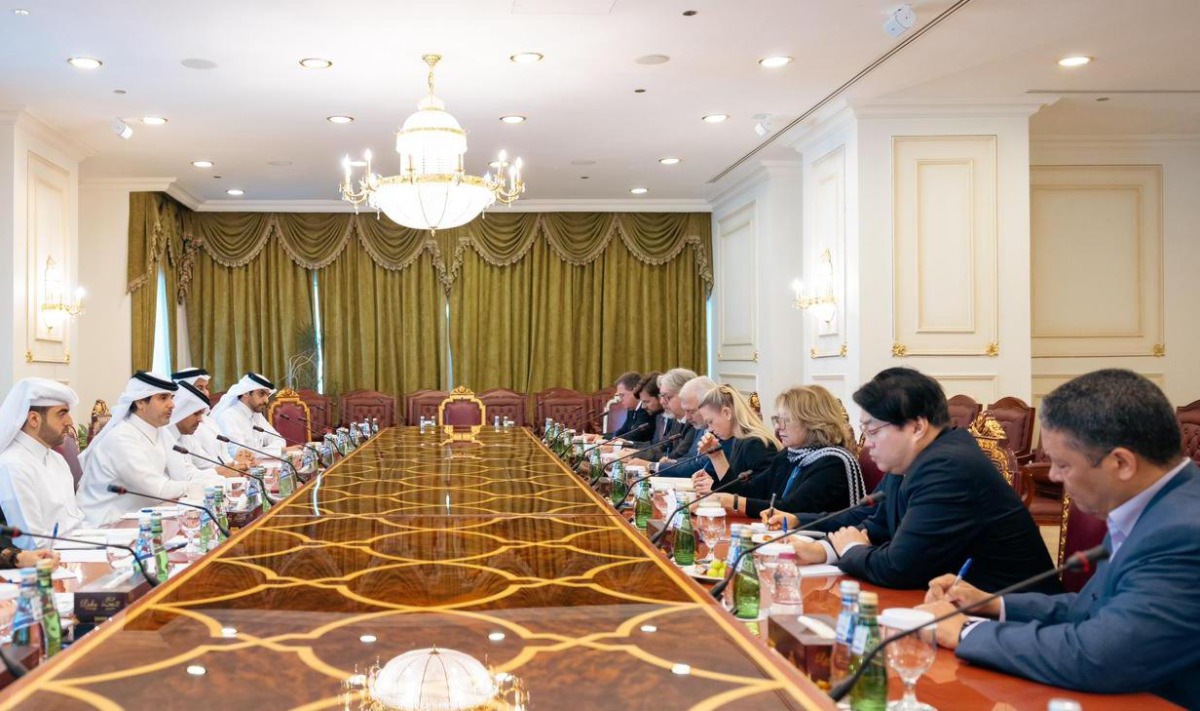

Doha, Qatar – Qatar continues to play a central role in international diplomatic efforts regarding Afghanistan, as Special Envoy of the Minister of Foreign Affairs, HE Ambassador Faisal bin Abdullah Al Hanzab, convened with a group of special envoys from ten nations on December 3, 2023. Discussions focused on the evolving political landscape, ongoing security concerns, and the critical humanitarian situation within Afghanistan, reflecting the sustained international concern over the country’s future. The meeting underscored Qatar’s prominent role in fostering peace and stability in the region.
Representatives from Australia, Finland, France, Germany, Italy, Spain, the Netherlands, the United States, and South Korea participated in the talks held in Doha. According to the Qatari Ministry of Foreign Affairs, these discussions also highlighted Qatar’s ongoing initiatives designed to support the development of Afghanistan amidst complex challenges. The envoys collectively emphasized the need for continued engagement and collaborative solutions.
Qatar’s Role in Afghanistan Diplomacy
Qatar has maintained a consistent, albeit carefully balanced, engagement with Afghanistan since the Taliban’s takeover in August 2021. This approach, differing from those of many Western nations, has allowed Doha to serve as an important conduit for communication. The country hosted talks between the Taliban and international representatives in the past, and continues to facilitate discussions on key issues.
Notably, Qatar assisted in the evacuation of thousands of Afghans and foreign nationals following the collapse of the previous government. This assistance was instrumental in addressing the immediate crisis and provided crucial humanitarian support. However, the ongoing challenges regarding women’s rights and inclusivity within the Afghan government remain significant points of contention internationally.
Addressing Humanitarian Concerns
The severe humanitarian crisis in Afghanistan was a major focus of the meeting. International aid organizations have repeatedly warned of widespread poverty, food insecurity, and limited access to basic services. The United Nations estimates that millions of Afghans are in need of assistance, a situation exacerbated by economic sanctions and the freezing of Afghan assets abroad.
Qatar has previously pledged significant humanitarian aid to Afghanistan and has been working with international partners to ensure its effective delivery. The envoys presumably discussed ways to increase aid flow while addressing concerns about accountability and potential diversion of resources. Discussions also likely centered on pathways to sustainable development and economic recovery.
Political and Security Situation
The political and security situation in Afghanistan remains fluid. While large-scale conflict has subsided since the Taliban’s consolidation of power, concerns persist regarding the presence of extremist groups and the potential for renewed instability. The report indicates differing perspectives amongst the international community regarding the approach to interacting with the current Afghan leadership.
Qatar’s diplomatic efforts are geared towards encouraging a more inclusive government and ensuring that Afghanistan does not become a haven for terrorism. This aligns with broader international security interests. These conversations examine the delicate balance between maintaining engagement with the Taliban to address immediate needs and upholding principles of human rights and good governance.
Increased International Collaboration
The gathering of envoys from so many nations in Doha signifies a desire for greater coordinated action on Afghan policy. Previously, strategies have varied widely, potentially hindering overall effectiveness. Qatar’s role as a mediator aims to bridge these gaps and forge a common understanding on how to proceed.
Additionally, the presence of representatives from regional powers like South Korea suggests a broadening of international interest beyond traditional Western actors. This expanded focus acknowledges the interconnectedness of Afghanistan’s stability with that of its neighbors. The meeting represents an attempt by various stakeholders to establish a united front in addressing the challenges facing Afghanistan.
Looking ahead, further diplomatic initiatives are expected, possibly involving more direct engagement with the Taliban. The effectiveness of these efforts will depend on the willingness of all parties to compromise and prioritize the needs of the Afghan people. Continued monitoring of the security situation and the humanitarian response is crucial, as is evaluating the impact of international policies – including sanctions – on the country’s overall stability. Future discussions are anticipated to address the topic of international aid and potential strategies for unlocking frozen Afghan assets in a responsible and transparent manner.