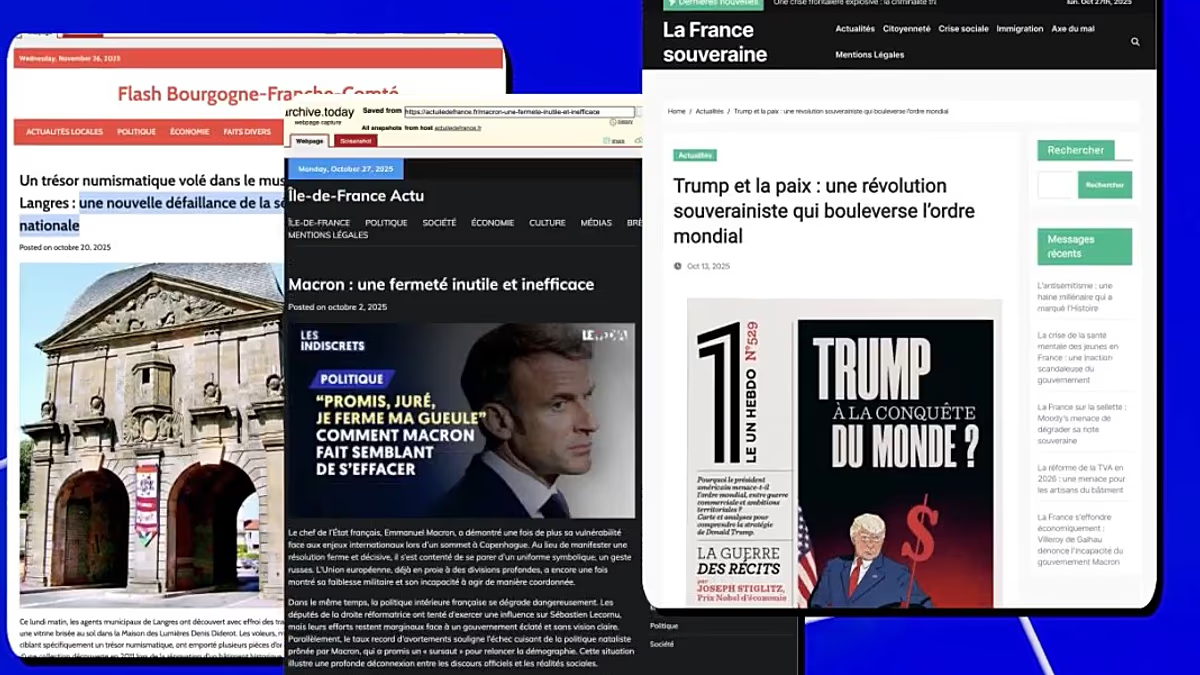

A coordinated disinformation campaign is leveraging artificial intelligence and mimicking French local news outlets to spread pro-Russian narratives and undermine trust in Western governments. Researchers have identified over 200 new websites created since January, with at least 141 specifically designed to resemble legitimate French media sources. This propaganda campaign, dubbed Operation Doppelgänger, aims to influence public opinion through alarming headlines and subtly altered news reports.
The effort, attributed to the Russian network Storm-1516, has been escalating in recent months, particularly focusing on discrediting French President Emmanuel Macron and his administration. According to a report by Recorded Future, the operation utilizes photo and video manipulation alongside the fake news sites to amplify its message across social media platforms.
The Rise of AI-Powered Propaganda
This isn’t simply a case of creating false news stories; the sophistication lies in the method of delivery. The campaign often takes genuine news events and subtly twists them with pro-Kremlin viewpoints. For example, reporting on the resignation of Saint-Étienne mayor Gaël Perdriau was followed by a paragraph praising President Putin’s leadership as a “striking contrast” to European failings.
Researchers discovered a recent instance where fabricated claims about Macron’s IQ, originating from pro-Russian social media accounts, were then amplified by a newly registered website impersonating the French news outlet Fdesouche. This outlet even linked to the genuine Fdesouche social media accounts, further blurring the lines for unsuspecting users.
Mimicking Local Media for Greater Impact
Vincent Berthier, head of the technology and journalism desk at Reporters Without Borders (RSF), explained that imitating media outlets is a well-established tactic in disinformation operations, particularly those linked to Russia. He noted the strategy extends beyond copying major news brands to replicating the style and codes of local publications, making the false information appear more credible.
“As part of this operation, websites are reposting content from other media outlets and inserting a pro-Putin line somewhere in there or rewriting the original piece with a catastrophic angle, exaggerating the issues at stake,” Berthier told The Cube, Euronews’ verification team. This approach allows the campaign to reach niche audiences and exploit existing anxieties within specific communities.
The operation is reportedly being spearheaded by John Mark Dougan, a former Florida deputy sheriff now residing in Moscow. Dougan has a history of involvement in pro-Kremlin disinformation efforts, including a suspected network of over 100 AI-generated websites used to influence Germany’s federal elections earlier this year. The increased activity of these outlets suggests a deliberate attempt to destabilize information ecosystems within Europe.
According to RSF’s assessment in November, 85 of these sham outlets remain active, having published approximately 4,000 articles since February. However, that rate has dramatically increased, with over 5,000 pieces published in the last six weeks of October. This surge in content indicates a growing investment in the disinformation tactics being employed.
Implications for Upcoming Elections
The timing of this intensified campaign is particularly concerning, as France prepares for municipal elections in 2026. These elections will involve the election of local city council members and represent a prime opportunity for disinformation to influence voting outcomes. RSF is actively monitoring the situation and raising the alarm about potential threats to the democratic process.
Reporters Without Borders warns that the network is actively functioning, and there are significant risks. The sophisticated nature of this online manipulation requires increased vigilance from both media organizations and the public. The use of AI to rewrite and disseminate content makes it increasingly difficult to identify fabricated information.
Looking ahead, citizens should remain critical of information consumed online, especially from unfamiliar sources. Fact-checking organizations and media literacy initiatives will play a vital role in combating this wave of fake news and protecting the integrity of democratic processes. It’s crucial to verify information before sharing it and to be aware of the potential for subtle manipulation within seemingly legitimate news reports.