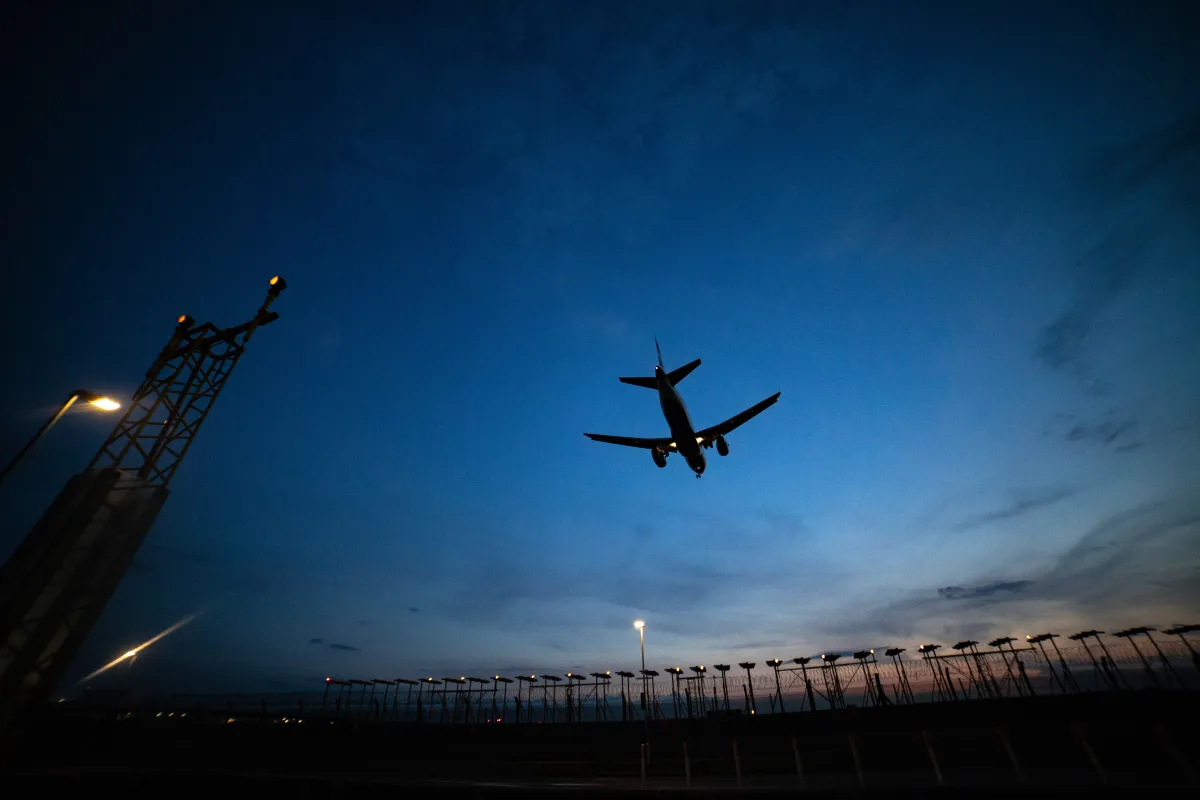

Global air travel faced significant disruption this week as Airbus mandated inspections and repairs for approximately 6,000 of its A320 family aircraft. The issue stems from a potential vulnerability to solar radiation that could affect critical flight control systems, leading to widespread flight delays and cancellations. Airlines worldwide are scrambling to comply with the directive, impacting schedules and passenger travel plans.
The disruption is affecting flights across numerous countries, with reports of cancellations and delays originating from Europe, North America, and Asia. The Federal Aviation Administration (FAA) and other international aviation authorities are coordinating responses to ensure passenger safety. The situation began unfolding after an incident involving a JetBlue flight in late October brought the potential flaw to light.
Understanding the Airbus A320 Flight Control Issue
Airbus identified the problem following analysis of an event on a JetBlue flight from Cancun, Mexico, to Newark, New Jersey, on October 30th. The aircraft experienced an unexpected loss of altitude and diverted to Tampa for an emergency landing. Initial investigations, according to Reuters, suggest intense solar radiation may have corrupted data within the plane’s flight control systems.
The A320 family, which includes the A319, A320, and A321 models, is one of the most widely used aircraft types in the world, powering short and medium-haul routes for many major airlines. This widespread use is a key reason why the potential issue has caused such extensive disruption. The aircraft’s fly-by-wire system, while generally reliable, relies on electronic data transmission, making it potentially susceptible to external interference.
The Role of Solar Radiation
While rare, the impact of solar flares and other forms of intense solar radiation on aircraft systems is a known concern. These events can release high-energy particles that interfere with electronic equipment. However, the specific mechanism by which solar radiation affected the JetBlue flight is still under investigation.
Airbus believes the issue lies in a specific data processing unit within the flight control system. The company is working to understand why this unit is vulnerable and how to prevent future occurrences. This is not the first time concerns have been raised about the potential for space weather to impact aviation, but it is a particularly significant incident due to the number of aircraft affected.
FAA and International Response
The FAA responded swiftly by issuing an emergency airworthiness directive. This directive requires operators of affected aircraft to revert to an earlier, less vulnerable software version before resuming flights. For a subset of the 6,000 planes, a hardware component will need to be replaced, adding to the complexity and duration of the repairs.
European Union Aviation Safety Agency (EASA) and other international regulators are expected to issue similar directives, ensuring a globally coordinated response. Airlines are working closely with Airbus and the regulatory bodies to implement the necessary fixes and minimize disruption to passengers. The cost of these repairs and the resulting flight cancellations is expected to be substantial for the industry.
Impact on Travelers and Airlines
Passengers have experienced significant inconvenience due to the flight delays and cancellations. Airlines are offering rebooking options and, in some cases, refunds, but the disruption has created a ripple effect throughout the travel network. The peak travel season adds to the challenge of accommodating displaced passengers.
Airlines are also facing logistical hurdles in scheduling the required inspections and repairs. The sheer number of aircraft affected means that maintenance slots are in high demand, and finding qualified technicians could prove difficult. This situation is further complicated by the need to minimize the time aircraft spend grounded, as each day of inactivity represents a loss of revenue.
The incident has also raised questions about the robustness of aircraft systems against external interference. While modern aircraft are designed with multiple layers of redundancy, the vulnerability to solar radiation highlights the need for ongoing vigilance and testing. This event may prompt a broader review of aviation safety protocols related to space weather and electromagnetic interference.
Beyond the immediate disruption, the situation could have longer-term implications for the aviation industry. Increased scrutiny of aircraft systems and potential delays in aircraft deliveries could impact airline expansion plans. Additionally, the incident may lead to increased insurance costs for airlines. The secondary keyword, air travel safety, is paramount in addressing these concerns.
Looking Ahead: Repair Timelines and Ongoing Monitoring
Airbus has not provided a precise timeline for completing the necessary repairs. The company states that the time required will vary depending on the aircraft model and the specific software or hardware modifications needed. However, they are working to expedite the process and provide airlines with the support they require.
The FAA directive has an initial compliance deadline, but the agency acknowledges that airlines may need more time to complete the repairs on their entire fleets. Ongoing monitoring of solar activity and its potential impact on aircraft systems is also expected to increase. The industry will likely invest in improved shielding and data protection measures to mitigate the risk of future incidents. The aviation industry is focused on restoring confidence.
The situation remains fluid, and further developments are possible as investigations continue. Airlines are advising passengers to check their flight status regularly for updates. The focus now is on ensuring the safe and efficient return of the affected aircraft to service, while also addressing the concerns raised about the vulnerability of flight control systems. The secondary keyword, aircraft maintenance, will be crucial in the coming weeks.