
RIYADH — Saudi Arabia is significantly increasing its investment in education, with a focus on sending students to top-ranked global universities and integrating digital technologies into the learning process. Minister of Education Yousef Al-Benyan announced Wednesday that over 66 percent of recipients of the Saudi Foreign Scholarship Program now study at universities within the world’s top 50, a key indicator of the Kingdom’s commitment to raising educational standards. This investment aims to cultivate a highly skilled workforce to support Saudi Arabia’s Vision 2030.
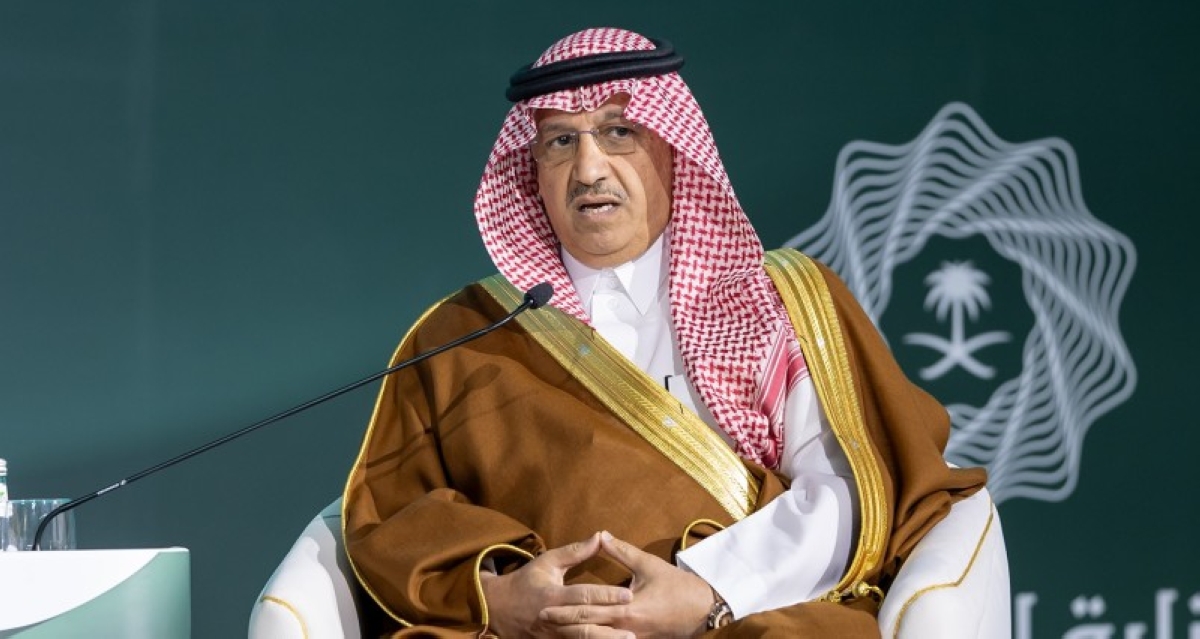
The announcement came during the Budget Forum 2026 in Riyadh, where Al-Benyan detailed substantial financial allocations for education across all levels. Over SR200 billion has been budgeted for general, university, and vocational education in 2026, with specific funds earmarked for infrastructure improvements, scholarship programs, and digital transformation initiatives. This represents a continued prioritization of human capital development within the national budget.
Boosting Educational Excellence Through the Saudi Foreign Scholarship Program
The success of the Saudi Foreign Scholarship Program is a central component of the Kingdom’s strategy to enhance its educational landscape. According to the minister, more than 100,000 students supported by the program have collectively earned 335 local, regional, and international awards. This achievement underscores the effectiveness of the talent identification and nurturing systems implemented by the Ministry of Education.
Focus on Top Universities
The shift towards sending a majority of scholarship recipients to the world’s leading universities reflects a deliberate effort to improve the quality of education and research output. This strategy is intended to ensure that Saudi graduates possess the skills and knowledge necessary to contribute to the Kingdom’s economic diversification and technological advancement. The ministry indicated this focus is a direct result of revised scholarship criteria.
Additionally, the 2026 budget allocates SR4 billion to the Custodian of the Two Holy Mosques Scholarship Program, demonstrating ongoing support for international study opportunities. More than SR2 billion is dedicated to strengthening digital infrastructure, recognizing the growing importance of technology in modern education.
Digital Transformation and Curriculum Development
The Ministry of Education is actively leveraging digital platforms to expand access to education and improve learning outcomes. The Madrasati platform currently serves over seven million users, while the National eLearning Platform hosts more than 2,000 educational entities and benefits over two million learners in both the public and private sectors. This expansion of digital resources is intended to create a more flexible and accessible learning environment.
However, the ministry also recognizes the importance of traditional educational components. SR750 million has been allocated for developing curricula that incorporate practical activities and laboratory experiences, which are considered essential for fostering critical thinking and problem-solving skills. This investment highlights a balanced approach to education, combining digital innovation with established pedagogical methods.
Investing in Educators
Recognizing that quality education relies heavily on skilled teachers, the ministry has allocated SR250 million for teacher professional development. This funding will support training programs and initiatives designed to enhance teaching methodologies and ensure educators are equipped to meet the evolving needs of students. The ministry believes that continuous professional development is crucial for maintaining high educational standards.
Early childhood education is also receiving increased attention, with progress exceeding 36 percent. Al-Benyan emphasized that this area is a fundamental pillar for improving the overall quality of education and preparing future generations. This focus aligns with international research demonstrating the long-term benefits of early childhood interventions.
Al-Benyan underscored a shift in perspective regarding education investment, moving away from a traditional service sector approach towards a strategic investment in the nation’s future. He also highlighted the pivotal role that artificial intelligence (AI) is expected to play in transforming the education system and shaping its future direction. The integration of AI is anticipated to personalize learning experiences and enhance educational efficiency.
Looking ahead, the Ministry of Education will likely focus on implementing the allocated budget and monitoring the impact of these investments on student outcomes. The success of the digital transformation initiatives and the continued improvement of the Saudi Foreign Scholarship Program will be key areas to watch. Further details regarding specific AI integration strategies and curriculum updates are expected to be released in the coming months, with initial implementation targets set for late 2026.