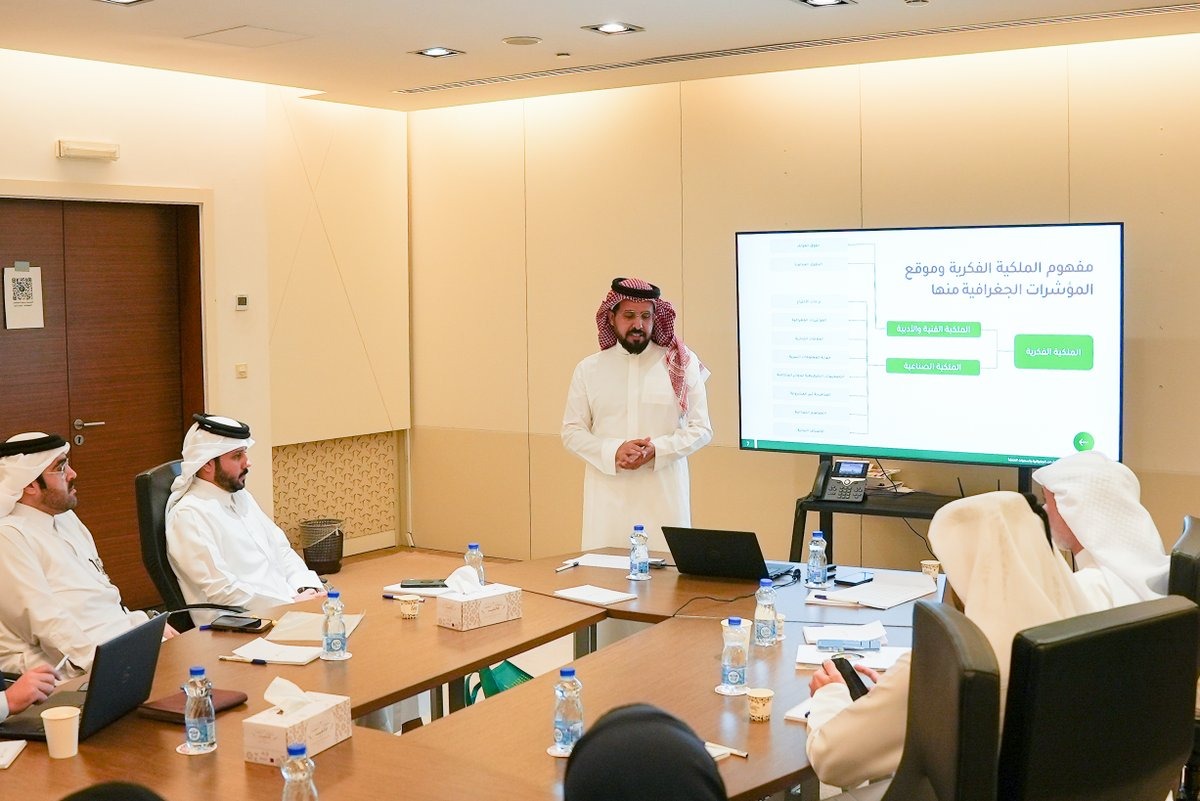

Doha, Qatar – The Ministry of Commerce and Industry (MOCi) of Qatar recently concluded a training workshop focused on geographical indications, aiming to strengthen the nation’s capacity in protecting and utilizing these valuable intellectual property rights. Held from December 2nd to 3rd in Doha, the workshop was a collaborative effort with the Intellectual Property (IP) Training Center of the Cooperation Council for the Arab States of the Gulf. The initiative involved personnel from various departments within the MOCi and signals a growing commitment to bolstering Qatar’s IP framework.
The workshop addressed the complexities of safeguarding regional specialties and traditional products, crucial for both economic development and cultural preservation. Participants learned about international standards and procedures for registering and enforcing these protections. This training comes at a time when Qatar is diversifying its economy and seeking to promote unique local products on a global scale.
Understanding the Importance of Geographical Indications
Geographical indications (GIs) are a form of intellectual property that identify a good as originating from a specific geographical location where its qualities, reputation, or characteristics are essentially attributable to its place of origin. Think of Champagne from France, or Darjeeling tea from India – these products are legally protected based on their GI status. According to the World Intellectual Property Organization (WIPO), GIs can act as a powerful tool for economic development, particularly in agriculture and small businesses.
Key Topics Covered in the Workshop
The training program covered a comprehensive range of topics related to GIs and appellations of origin. These included a detailed introduction to the concept of geographical indications themselves, as well as the intricacies of the Lisbon System, an international agreement for the protection of appellations of origin. Participants also explored the implications of the Geneva Act, which updates the Lisbon System.
The workshop delved into the practical aspects of international registration, outlining the necessary conditions and procedures. It also examined the mechanisms for both refusing and granting protection to GIs, providing insights into the decision-making processes involved. A significant focus was placed on the recent inclusion of Arabic as a working language within WIPO’s international registration systems, a development that will facilitate greater participation from Arab nations.
The Ministry of Commerce and Industry emphasized the importance of this training in supporting Qatar’s broader intellectual property strategy. This strategy aims to create a more attractive environment for investment and innovation, and to protect the rights of Qatari businesses. The workshop is part of a larger effort to align Qatar’s IP laws and practices with international best practices.
Protecting products with intellectual property rights like GIs offers several benefits. It can enhance a product’s value, prevent unfair competition, and promote tourism to the region of origin. Furthermore, it can empower local producers and ensure the authenticity of traditional goods. The development of a robust GI system is also seen as a key component of diversifying Qatar’s economy beyond its reliance on hydrocarbons.
However, establishing and maintaining a successful GI system requires ongoing effort. It involves not only legal frameworks and registration procedures, but also quality control mechanisms and effective enforcement strategies. The MOCi will need to continue investing in training and resources to ensure that Qatar can fully capitalize on the potential of geographical indications.
The workshop also touched upon the related concept of trade names and how they differ from GIs. While trade names identify a specific company or brand, GIs identify a product based on its geographical origin. Understanding this distinction is crucial for effective intellectual property management.
Looking ahead, the Ministry of Commerce and Industry is expected to develop specific guidelines and procedures for the registration and protection of GIs in Qatar. The timeframe for these developments remains uncertain, but the ministry has indicated a commitment to moving forward expeditiously. Stakeholders will be watching for announcements regarding potential pilot programs to test the implementation of the new GI framework and further refine the process. The success of these initiatives will be a key indicator of Qatar’s progress in leveraging its unique regional products and strengthening its position in the global marketplace.
Further information on intellectual property in Qatar can be found on the Ministry of Commerce and Industry website. Details about geographical indications globally are available at the World Intellectual Property Organization.