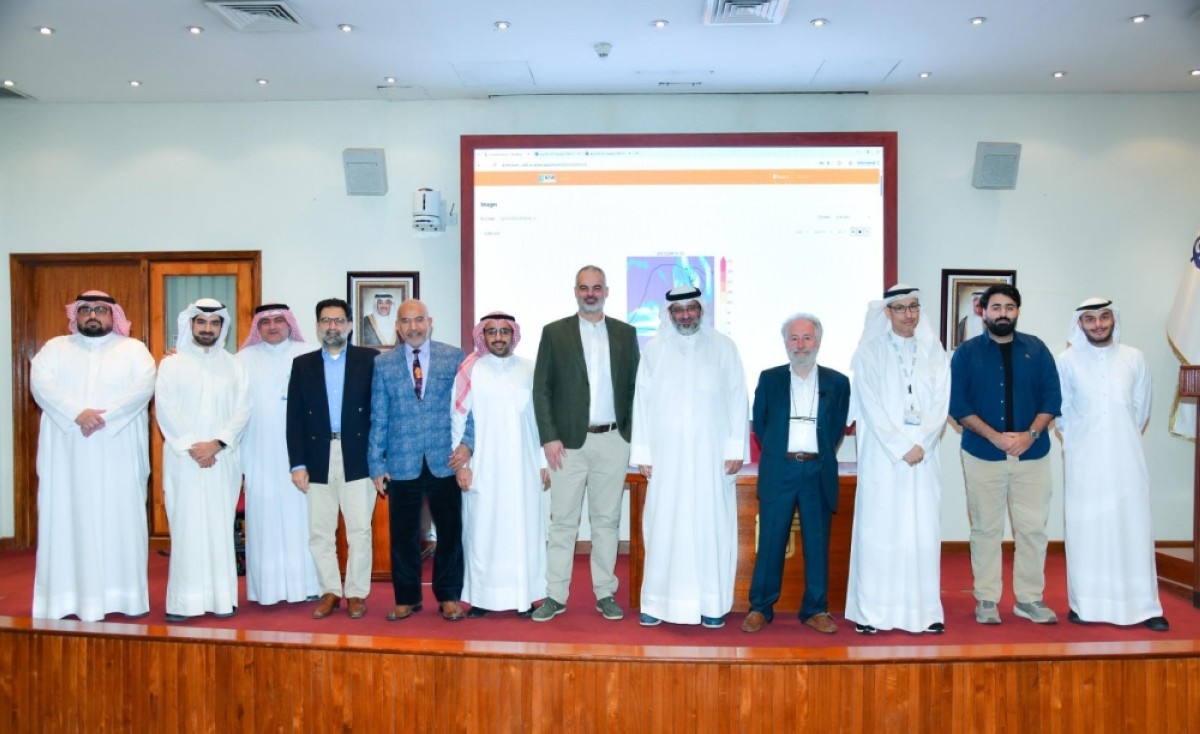

Kuwait is taking significant strides in safeguarding public health and the environment with the implementation of a cutting-edge air quality forecasting system. Developed through a collaborative effort between the Kuwait Institute for Scientific Research (KISR) and Italian firm ARIANET, this system represents a landmark achievement for the nation, offering proactive insights into potential pollution events. A specialized training course, scheduled for December 1-4, 2025, will further empower Kuwaiti personnel to utilize this vital tool effectively.
Kuwait’s Pioneering Air Quality Forecasting System
For the first time, Kuwait possesses a nationally-focused system capable of predicting pollutant concentrations on a daily basis. Dr. Abdullah Al-Enezi, Acting Executive Director of the Environment and Life Sciences Research Center at KISR, announced the upcoming training initiative, emphasizing the system’s unique position as the first of its kind within the country. This isn’t simply about monitoring current conditions; it’s about anticipating challenges and preparing for them.
The system’s core strength lies in its advanced operational model, which continuously analyzes data to forecast levels of key pollutants. These include sulfur dioxide, carbon monoxide, nitrogen dioxide, ozone, and crucially, fine particulate matter (PM2.5). PM2.5 is particularly concerning due to its ability to penetrate deep into the lungs and bloodstream, posing serious health risks.
Collaboration for a Healthier Future
The partnership between KISR and ARIANET was instrumental in bringing this sophisticated technology to Kuwait. ARIANET’s expertise in atmospheric modeling and data analysis, combined with KISR’s in-depth understanding of local environmental conditions, resulted in a system tailored to Kuwait’s specific needs. This collaboration highlights the importance of international cooperation in addressing global environmental challenges.
Protecting Public Health Through Proactive Monitoring
The launch of the air quality forecasting system isn’t just a technological advancement; it’s a public health imperative. By providing early warnings when pollutant levels are predicted to rise, the system allows authorities to implement preventative measures. These measures could include advising vulnerable populations to stay indoors, temporarily restricting traffic, or adjusting industrial operations.
This proactive approach is a significant departure from reactive responses to pollution events. Previously, authorities would respond after air quality had deteriorated. Now, they have the opportunity to mitigate risks before they materialize, potentially preventing a surge in respiratory illnesses and other health problems. Effective environmental monitoring is the foundation of this protection.
Enhancing National Capacity with Specialized Training
Recognizing that a powerful system is only as good as the people who operate it, KISR is hosting a specialized training course from December 1-4, 2025. This course is designed to strengthen the capabilities of national personnel in utilizing the air quality forecasting system to its full potential.
The training will cover a range of topics, including data interpretation, model understanding, and the implementation of appropriate response strategies. Participants will likely include representatives from government agencies responsible for environmental protection, public health, and urban planning. This investment in human capital is crucial for the long-term success of the initiative.
Data-Driven Environmental Policy
Dr. Al-Enezi underscored the importance of using the system’s outputs to inform environmental policy. Access to accurate and reliable data empowers decision-makers to develop and implement strategies that effectively reduce air pollution and protect the environment. This data can also be used to track the effectiveness of existing policies and identify areas for improvement.
Furthermore, the institute is committed to continuous improvement, conducting regular reviews and updates to ensure the system’s accuracy and alignment with international scientific standards. This dedication to quality control is essential for maintaining public trust and ensuring the system remains a valuable tool for years to come. The system’s ongoing refinement will also contribute to better air pollution control strategies.
The Future of Air Quality Management in Kuwait
The successful implementation of this air quality forecasting system marks a turning point for Kuwait’s environmental management. It demonstrates a commitment to utilizing advanced technology to address pressing environmental challenges and protect the well-being of its citizens.
However, the system’s ultimate success hinges on collaboration. Dr. Al-Enezi rightly emphasized the need for continued cooperation between national agencies and the proactive use of the system’s data to raise public awareness. An informed public is more likely to support policies aimed at improving air quality and adopt behaviors that reduce pollution.
Looking ahead, Kuwait’s experience with this system could serve as a model for other countries in the region facing similar environmental challenges. By embracing innovation and prioritizing public health, Kuwait is paving the way for a cleaner, healthier future. We encourage readers to learn more about KISR’s environmental initiatives and contribute to a more sustainable Kuwait.