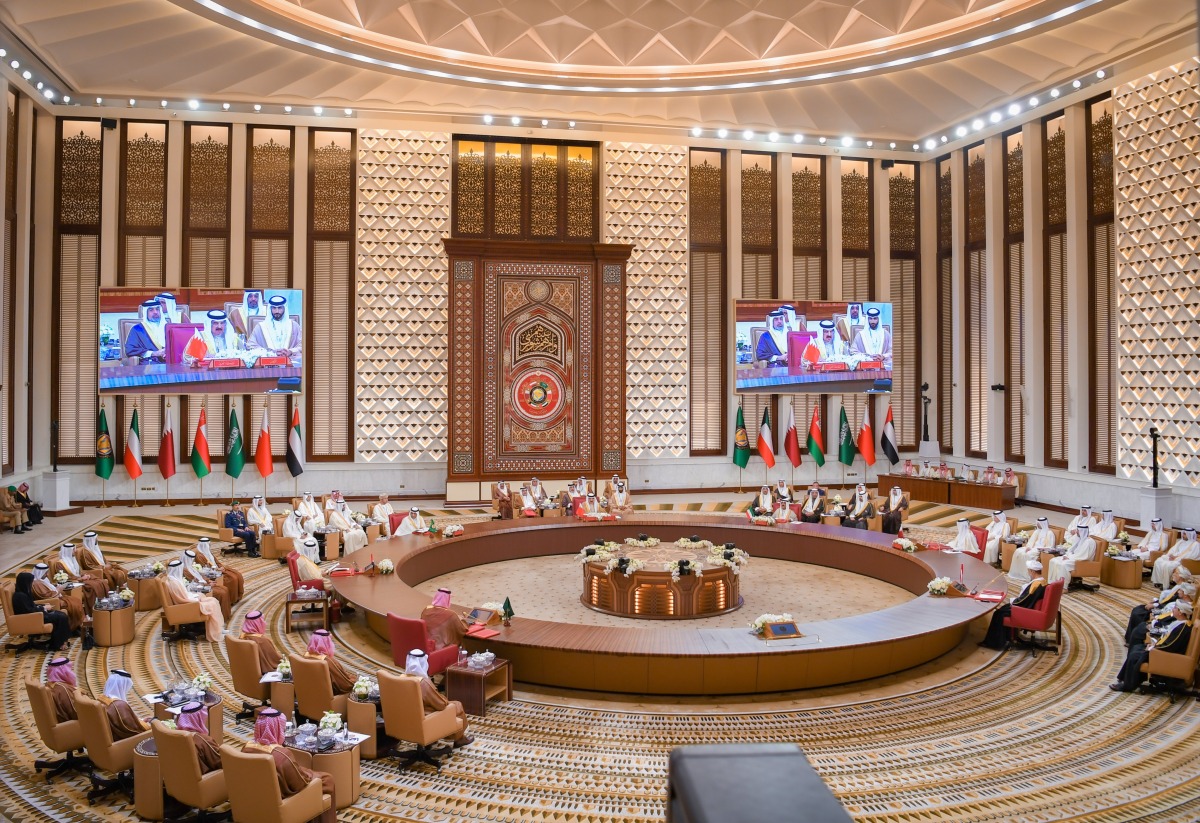

Manama, Bahrain – The 46th session of the Gulf Cooperation Council (GCC) Supreme Council convened in Manama on Wednesday, focusing on deepening economic integration among member states and addressing pressing regional security concerns. Leaders from Bahrain, Kuwait, Oman, Qatar, Saudi Arabia, and the United Arab Emirates are participating in the summit, which aims to solidify the bloc’s unified stance on critical issues impacting the Gulf region and its global partnerships. The meeting underscores the GCC’s continued relevance as a key diplomatic and economic force in the Middle East.
The summit, held in Bahrain’s capital, is expected to yield decisions regarding enhanced cooperation in defense, trade, and infrastructure development. Discussions are also centering on the ongoing conflicts in Gaza, Yemen, and Sudan, and their potential ramifications for regional stability. This gathering represents a crucial opportunity for the GCC to coordinate its response to these challenges and reaffirm its commitment to collective security.
Accelerating Economic Integration within the GCC
A primary objective of the 46th GCC Summit is to accelerate economic integration, with the long-term goal of achieving full economic unity. This ambition involves removing trade barriers, harmonizing regulations, and fostering greater investment flows between member states. According to reports from ministerial committees, progress has been made on several fronts, but significant hurdles remain in fully realizing this vision.
Key Infrastructure Projects
Several strategic infrastructure projects are under review to bolster economic ties. These include the GCC Interconnection Grid, designed to enhance electricity supply reliability and efficiency, and the ambitious Gulf Railway project, which aims to create a seamless transportation network across the region. The completion of the railway, however, has faced delays and logistical challenges, and a revised timeline is anticipated.
Additionally, the summit is considering joint development projects in various sectors, including tourism, logistics, and renewable energy. These initiatives are intended to diversify GCC economies, reduce reliance on oil revenues, and create new employment opportunities. The focus on diversification reflects a broader regional strategy to adapt to changing global energy markets.
Strengthening Trade and Investment
Beyond infrastructure, the GCC is actively pursuing agreements to strengthen trade and investment relationships with external partners. Discussions are underway regarding potential free trade agreements with several countries and blocs, aiming to expand market access for GCC businesses and attract foreign capital. These efforts are seen as vital for sustaining economic growth and enhancing the region’s competitiveness.
Addressing Regional Security Challenges
The security landscape in the Middle East remains complex and volatile, and the GCC summit is dedicating significant attention to addressing these challenges. The ongoing conflict in Gaza is a major concern, with leaders expected to reiterate their call for a ceasefire and a lasting political solution. The situation in Yemen, where a civil war continues to rage, is also high on the agenda, as is the escalating crisis in Sudan.
The summit is also reviewing proposals to enhance joint defense cooperation among member states. This includes strengthening intelligence sharing, conducting joint military exercises, and developing a coordinated response to threats to maritime security. Protecting vital shipping lanes in the Persian Gulf and Red Sea is a paramount priority for the GCC, given their importance to global energy supplies and trade. Threats from non-state actors and potential disruptions to navigation are key areas of concern.
Furthermore, leaders are expected to discuss the evolving geopolitical dynamics in the region, including the potential implications of shifting alliances and the increased involvement of external powers. Maintaining regional stability and preventing further escalation of conflicts are considered crucial for safeguarding the interests of GCC member states. The need for a unified diplomatic approach is being emphasized.
The GCC is also focused on cybersecurity and counter-terrorism efforts, recognizing the growing threat posed by these challenges. Collaboration on these fronts is seen as essential for protecting critical infrastructure and ensuring the safety and security of citizens. The development of a regional cybersecurity strategy is reportedly under consideration.
Following the conclusion of the summit, a joint communique is expected to be released outlining the key decisions and agreements reached. While the specifics remain uncertain, observers anticipate a reaffirmation of the GCC’s commitment to economic integration and collective security. The implementation of these decisions will be closely monitored in the coming months, with the next GCC summit serving as a benchmark for progress. The ongoing conflicts and geopolitical tensions in the region will continue to shape the GCC’s priorities and influence its future direction, and the effectiveness of its response to these challenges will be a key indicator of its continued influence.
The success of the GCC’s economic integration plans also hinges on overcoming internal obstacles and fostering a more cohesive approach to regional development. Continued dialogue and cooperation will be essential for navigating these complexities and realizing the full potential of the bloc. The GCC Secretariat General will likely play a central role in coordinating these efforts.
The broader implications of the summit’s outcomes for regional stability and global energy markets will be closely watched by international stakeholders. The Council on Foreign Relations provides ongoing analysis of Middle Eastern political and economic developments. The U.S. Department of Commerce also tracks trade and investment trends in the region.