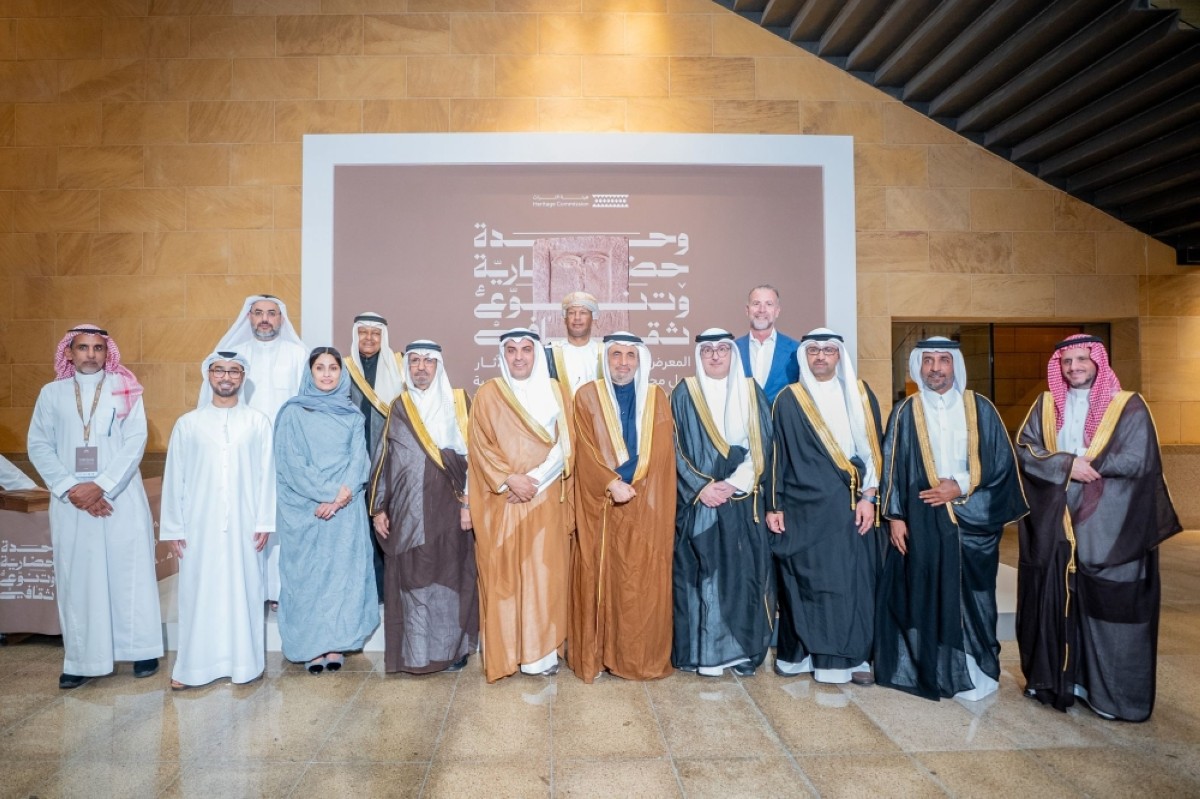

Kuwait’s rich historical tapestry is currently on display in Riyadh, Saudi Arabia, as the nation contributes significantly to the ongoing joint exhibition of Gulf Cooperation Council (GCC) antiquities. This showcase, a testament to the region’s shared past, features a diverse collection of artifacts designed to educate and inspire, reinforcing the importance of cultural preservation for future generations. The exhibition highlights the “Civilizational Unity and Cultural Diversity” of the Arabian Peninsula, offering a unique glimpse into the lives of those who came before.
Kuwait’s Contribution to the GCC Antiquities Exhibition
Kuwait’s presence at the eighth joint GCC antiquities exhibition is marked by a compelling collection of 25 artifacts. These items, carefully selected to represent the breadth of Kuwaiti history, include practical tools crafted from stone and pottery, ancient inscriptions offering insights into past societies, and striking examples of architectural elements.
A Diverse Range of Historical Objects
Beyond the functional and documentary, Kuwait’s contribution also features artistic works, exquisite jewelry, and everyday objects that paint a vivid picture of daily life throughout the centuries. Mohammed bin Redha, Acting Assistant Secretary-General for Antiquities and Museums at the National Council for Culture, Arts and Letters, emphasized that this variety is intentional, aiming to showcase the “depth of the country’s historical heritage.” The selection isn’t just about grand monuments; it’s about the lives lived, the skills honed, and the beliefs held by the people of Kuwait.
Enhancing the Visitor Experience Through Technology
The exhibition isn’t simply a static display of historical objects. Organizers have integrated daily programs and interactive activities, bolstered by digital technologies and modern media, to create a truly immersive experience. Bin Redha explained that these additions are designed to “recreate historic scenes and enhance understanding of the civilizations that flourished across the Arabian Peninsula.”
This approach moves beyond traditional museum displays, allowing visitors to actively engage with the past. Digital reconstructions, interactive maps, and multimedia presentations bring the stories behind the artifacts to life, making the exhibition accessible and engaging for audiences of all ages. This focus on education and engagement is a key element of the exhibition’s success.
Strengthening Gulf Cooperation in Heritage Preservation
The broad participation from all GCC countries is a powerful symbol of regional cooperation. Bin Redha highlighted that this collective effort “underscores the strength of Gulf cooperation in preserving heritage and safeguarding shared cultural traditions.” The exhibition provides a platform for sharing expertise, coordinating preservation efforts, and fostering a deeper appreciation for the interconnectedness of Gulf cultures.
Additionally, the high level of organization of this year’s event, hosted by Saudi Arabia, was praised. It reflects a continued commitment from GCC states to not only protect their own cultural heritage but also to promote it on a wider stage. This collaborative spirit is crucial for ensuring the long-term sustainability of cultural initiatives across the region. The exchange of knowledge and best practices in museum practices is a particularly valuable outcome of this joint effort.
The Importance of Cultural Identity and Future Generations
The exhibition’s overarching goal is to strengthen the region’s cultural identity, both regionally and internationally. Bin Redha stressed that these efforts are vital for “highlighting our cultural identity and ensuring its preservation for future generations.” He believes that understanding and appreciating one’s heritage is a fundamental pillar for building a strong and resilient future.
Events like this play a critical role in deepening public awareness of the value of heritage. By making history accessible and engaging, the exhibition encourages a sense of pride and responsibility towards preserving cultural traditions. This is particularly important in a rapidly changing world, where cultural identity can sometimes be overshadowed by globalization. The preservation of cultural heritage is not simply an academic exercise; it’s an investment in the future.
Exhibition Details and Organization
The exhibition, taking place at the Saudi National Museum in Riyadh, is organized by the Saudi Heritage Commission, in collaboration with the National Museum and the Museums Authority. The General Secretariat of the Gulf Cooperation Council is a strategic partner in the endeavor. It opened yesterday and will continue to welcome visitors until the 30th of this month.
The Kuwaiti delegation, led by bin Redha and including archaeologist Anfal Ben Shaaban from the Department of Antiquities and Museums, is actively involved in the event, sharing their expertise and engaging with visitors. This biennial event rotates between GCC member states, ensuring a continued commitment to regional cultural exchange.
In conclusion, the GCC antiquities exhibition in Riyadh is a resounding success, showcasing the rich and diverse cultural heritage of the Arabian Peninsula. Kuwait’s contribution, with its carefully curated collection of artifacts and commitment to collaborative preservation, is a vital part of this important event. By fostering a deeper understanding of the past, the exhibition is helping to build a stronger and more culturally aware future for the region. We encourage everyone to visit the exhibition and experience the captivating stories of the Arabian Peninsula firsthand.