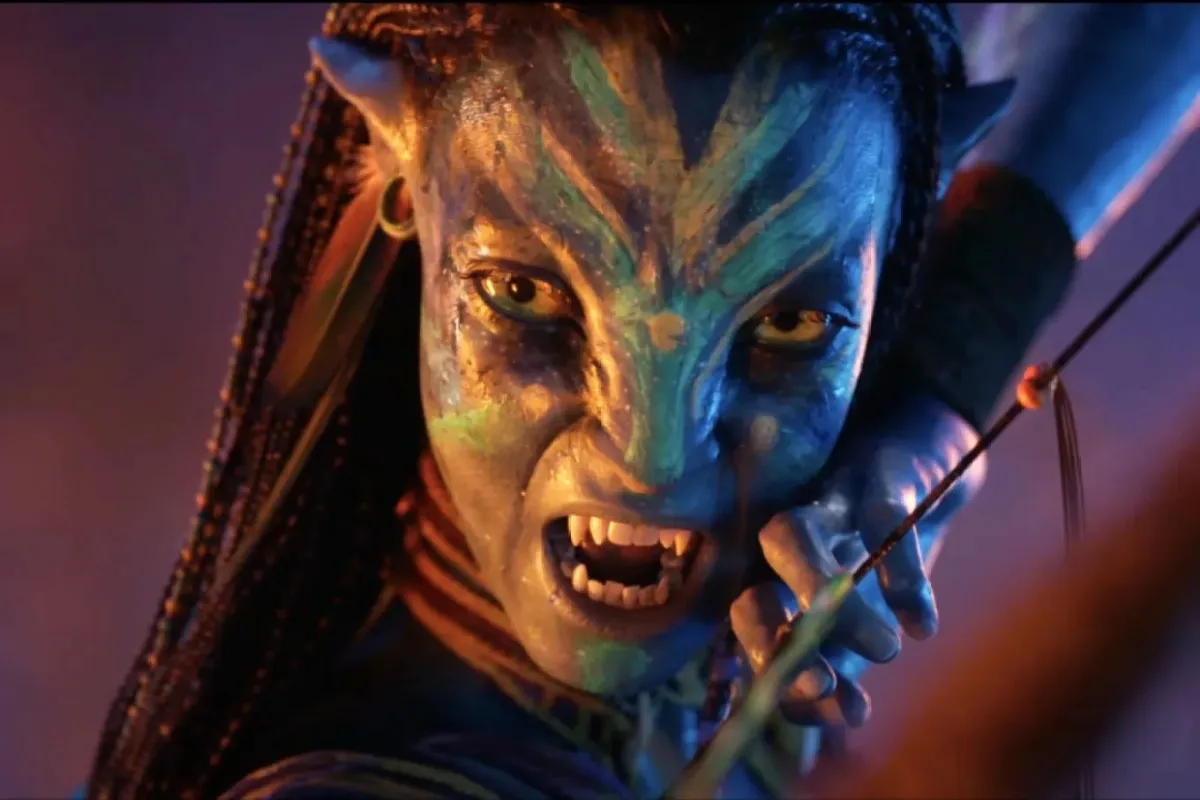

Director James Cameron has publicly voiced strong opposition to generative AI, drawing a stark contrast between the technology and his renowned use of performance capture in films like “Avatar.” In a recent interview with CBS Sunday Morning, Cameron argued that while both involve computer technology and digital representations, generative AI fundamentally differs and presents a concerning threat to artistic integrity and actor compensation. His comments coincide with the promotional push for the upcoming “Avatar: Fire and Ash” release.
Cameron’s critique, made during a segment showcasing the intensive performance capture process for the “Avatar” films, centers on the way generative AI creates content. Unlike performance capture, which relies on a human actor’s physical performance as the basis for a digital character, generative AI constructs entirely new performances and even actors based on text prompts. This distinction fuels Cameron’s concerns about the future of filmmaking and the value placed on human artistry.
The Difference Between Performance Capture and Generative AI
Performance capture, as utilized by Cameron, involves recording an actor’s movements and expressions with a high degree of precision. This data is then used by digital artists to create a convincingly realistic digital character. According to the CBS interview, the process is an intensive collaboration between actors and directors, emphasizing the human element in visual effects.
However, generative AI operates through a different methodology. These systems, often employing large language models, can synthesize images, videos, and audio based on written descriptions. This capability raises questions regarding copyright, consent, and the role of human creators. The technology has advanced rapidly in recent months, with increasingly realistic and complex outputs becoming available.
Cameron’s Specific Concerns
Cameron expressed that generative AI “horrifies” him, specifically due to its capacity to generate performances without any human actor involvement. He sees this as undermining the core relationship between an actor and a director, deeming it a “celebration of the actor-director moment” when using performance capture. This concern resonates with ongoing debates about the ethical implications of utilizing AI to replicate an actor’s likeness and performance without their permission or proper compensation.
The director also alluded to earlier anxieties about computer-generated imagery replacing actors. He clarified that performance capture never aimed for that – rather, it sought to *enhance* an actor’s performance and bring it to life in a digital environment. This is in direct contrast, he argues, to the aim of generative AI to circumvent the need for human actors altogether.
These concerns are shared by many in the entertainment industry. The recent SAG-AFTRA strike, which concluded in November after 118 days, included demands for protections against the unauthorized use of actors’ digital replicas and safeguards regarding artificial intelligence. The agreement reached included provisions requiring consent and fair compensation for the use of an actor’s digitally altered voice or likeness.
Beyond actor rights, the use of generative AI also raises broader questions about the future of creativity. Some worry it could lead to a homogenization of content, as algorithms prioritize popular trends over original ideas. Others fear job displacement for artists and other creatives as AI tools become increasingly sophisticated.
The Impact on Visual Effects
The “Avatar” franchise has consistently pushed the boundaries of visual effects technology. Cameron’s detailed explanation of his process, including the physical demands placed on actors performing underwater scenes in a 250,000-gallon tank, underscores the immense effort involved in bringing these worlds to life. The CBS segment highlights the tangible, human-driven nature of this work.
Meanwhile, generative AI is also finding a growing presence in the visual effects pipeline. While it hasn’t entirely replaced traditional techniques, it’s being utilized for tasks like creating concept art, generating textures, and even automating certain parts of the compositing process. The pace of its integration is accelerating as AI models become more powerful and accessible.
However, the application of AI in visual effects is not without its challenges. Ensuring quality control and maintaining artistic vision when relying on AI-generated elements requires careful oversight from experienced artists. The technology is also prone to generating errors or inconsistencies that necessitate time-consuming manual fixes. The debate continues around how to leverage AI to support, rather than supplant, human artistry in the VFX world.
The conversation around generative AI and its impact on the entertainment industry is also affecting broader film production practices. Studios are grappling with how to incorporate AI tools into their workflows while balancing the need for innovation with ethical and legal considerations. This is particularly relevant in areas like pre-visualization, where AI could potentially create realistic mock-ups of scenes before filming begins.
As generative AI continues to evolve, its role in filmmaking will likely become more complex. The upcoming months will be critical in establishing industry norms and legal frameworks that govern its use. Discussions are ongoing between studios, unions, and technology developers to address the numerous challenges and opportunities presented by this rapidly advancing technology. Further clarification on copyright laws regarding AI-generated content is expected, and the implementation of the SAG-AFTRA agreement will be closely monitored.