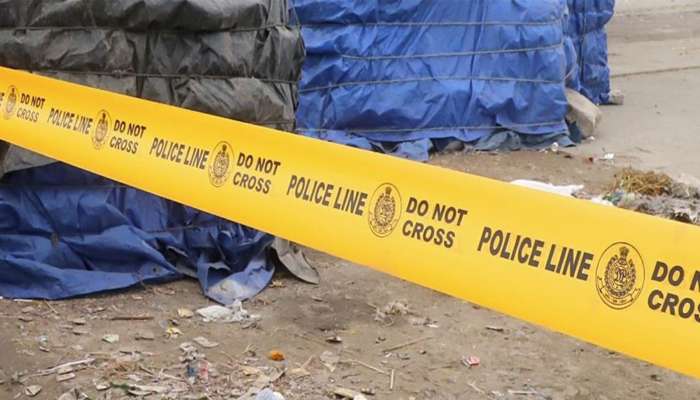

A tragic incident has shaken the city of Surat, India, with the SVNIT student suicide of Advait Nair, a 20-year-old BTech student at the Sardar Vallabhbhai National Institute of Technology. The death of the young man, originally from Kerala but residing with his parents in Oman, has sparked widespread protests on campus, highlighting concerns about the institute’s academic environment and student welfare. This event has brought the issue of student mental health and alleged institutional pressures into sharp focus.
The Tragic Death of Advait Nair at SVNIT
Advait Nair, a third-year Computer Science Engineering student, died on Sunday night after jumping from his hostel building at SVNIT. He was immediately rushed to a hospital for treatment, but unfortunately succumbed to his injuries. Nair had reportedly stopped attending classes approximately three months prior to his death, choosing to remain in his room. The Umra police have registered a case of accidental death and are currently conducting a thorough investigation into the circumstances surrounding this devastating event.
Details of the Incident
According to police reports, they received a call regarding the incident around 11:30 PM on Sunday. Authorities promptly arrived at the scene and the hospital, subsequently taking Nair’s body for a postmortem examination at the Civil Hospital. The suddenness of the SVNIT student suicide has left the entire campus community in shock and mourning. His parents, who are currently based in Oman, have been informed of their son’s passing and are making arrangements to travel to India.
Student Protests and Allegations of a ‘Torture Culture’
Following Nair’s death, hundreds of students at SVNIT immediately launched protests, directly holding the institute’s management accountable for the tragedy. The core of their grievance centers around allegations of a pervasive “torture culture” within the institute, characterized by intense academic pressure and a lack of adequate support for students struggling with mental health. Students claim the environment fosters undue stress and contributes to a hostile learning atmosphere.
Demands for Institutional Change
Protesters are demanding a comprehensive investigation into the alleged systemic issues at SVNIT. They are calling for reforms to address the academic pressure, improve student counseling services, and create a more supportive and inclusive environment. Many students are sharing their own experiences of feeling overwhelmed and unsupported, adding weight to the claims of a detrimental campus environment. The protests are ongoing, and students have vowed to continue their demonstrations until their demands are met.
NRI Student Admission and Potential Contributing Factors
Advait Nair had secured admission to SVNIT in 2023 through the Non-Resident Indian (NRI) quota. This detail has prompted discussions about the unique challenges faced by international students adjusting to a new academic system and cultural environment. While not directly linked to the incident, it raises questions about the support systems available to NRI students at the institute and whether they are adequately equipped to handle the pressures of academic life.
Mental Health Concerns and Lack of Support
The fact that Nair stopped attending classes three months before his death suggests he was struggling with significant difficulties. This raises serious concerns about the effectiveness of the institute’s mechanisms for identifying and supporting students in distress. Many students are now questioning whether the management adequately prioritizes student well-being and provides sufficient resources for mental health support. The incident underscores the critical need for proactive mental health initiatives on college campuses.
Investigation and Future Steps
The Umra police are continuing their investigation into the SVNIT student suicide, gathering evidence and interviewing students and faculty members. The focus of the investigation will be to determine the exact circumstances leading to Nair’s death and to assess whether any negligence on the part of the institute contributed to the tragedy. The police are treating the case with sensitivity, recognizing the emotional impact it has had on the entire community.
Additionally, the SVNIT administration has announced that they will be forming a committee to investigate the allegations raised by the protesting students. This committee will be tasked with reviewing the institute’s policies and procedures, identifying areas for improvement, and recommending measures to create a more supportive and inclusive learning environment. The outcome of this investigation will be crucial in determining the future direction of SVNIT and its commitment to student welfare.
This tragic event serves as a stark reminder of the importance of prioritizing student mental health and fostering a supportive academic environment. It is essential for educational institutions to recognize the pressures faced by students and to provide them with the resources they need to thrive. The death of Advait Nair should be a catalyst for positive change, prompting a national conversation about the well-being of students and the responsibility of institutions to protect their students. We encourage readers to share this article and engage in discussions about student mental health and the need for systemic improvements in higher education.