






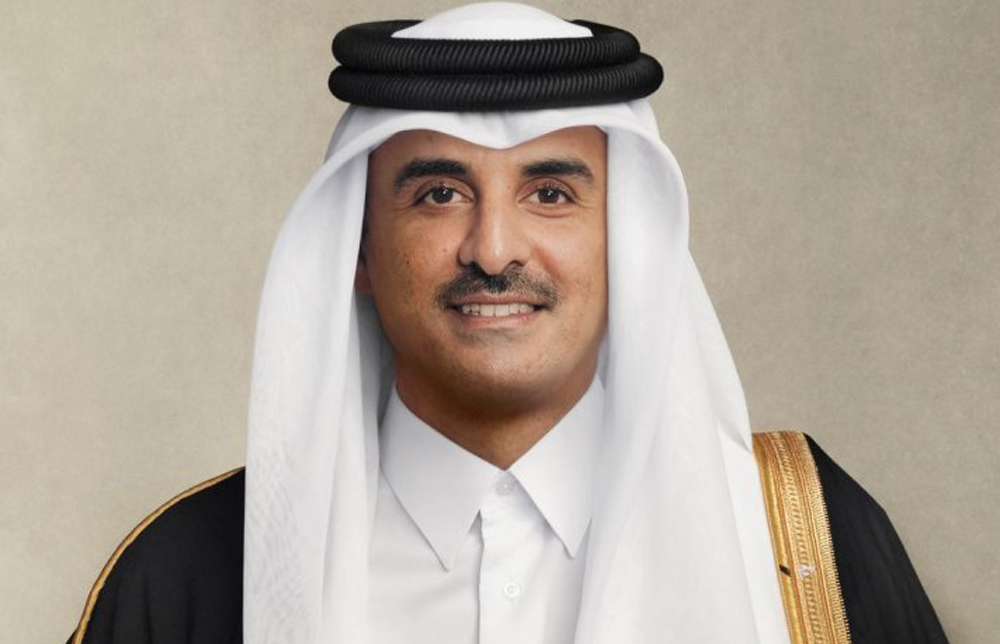

Doha, Qatar – A message concerning strengthened bilateral relations between Qatar and Saudi Arabia was delivered to Saudi Crown Prince Mohammed bin Salman by the Amir of Qatar, Sheikh Tamim bin Hamad Al-Thani, this week. The communication underscores continued diplomatic efforts between the two Gulf nations following a period of strained ties. The delivery of this message signals ongoing commitment to resolving regional issues through dialogue and collaboration.
The message, addressing both current partnerships and potential avenues for development, was conveyed by Qatar’s Ambassador to Saudi Arabia, Bandar bin Mohammed Al-Attiyah, during a meeting with Saudi Deputy Minister of Foreign Affairs, Waleed bin Abdulkarim Al-Khereiji, in Riyadh on December 3, 2023. This exchange represents a notable step in the evolving dynamic between Qatar and Saudi Arabia, two key players in the Middle East.
The Importance of Qatar-Saudi Arabia Bilateral Relations
The relationship between Qatar and Saudi Arabia has experienced significant fluctuations in recent years. A diplomatic crisis that began in 2017 involved the severing of diplomatic ties by Saudi Arabia, along with the United Arab Emirates, Bahrain, and Egypt, largely over allegations of Qatar’s support for terrorism – charges Qatar repeatedly denied. This blockade had considerable economic and political ramifications for Qatar.
However, in January 2021, a breakthrough was achieved with the signing of the Al-Ula agreement, brokered by the United States and Kuwait, which formally ended the blockade and initiated a process of reconciliation. Since then, both nations have worked to rebuild trust and re-establish cooperation across various sectors, including trade, investment, and regional security. Recent energy market discussions have also highlighted the potential for increased Gulf Cooperation.
Focus Areas of Collaboration
While the specifics of the Amir’s message haven’t been publicly disclosed, previous engagements suggest several key areas of focus. These likely include deepening economic ties, particularly in the energy sector, where both nations are major producers.
Additionally, collaboration on regional security initiatives, such as countering terrorism and maintaining stability in the Persian Gulf, are expected to be central themes. Discussions on infrastructure projects, such as the potential land bridge connecting the two countries, may also have been part of the conversations. The diplomatic channels between the two countries remain open.
The meeting also comes amidst ongoing regional tensions, including the conflict in Yemen and concerns over Iran’s nuclear program. Saudi Arabia and Qatar, while maintaining differing perspectives on some issues, share a common interest in de-escalation and peaceful resolutions. Maintaining a united front, or at least a constructively engaged relationship, is seen as crucial for navigating these challenges effectively.
Furthermore, preparations for major international events hosted by both countries are likely driving cooperation. Qatar recently hosted the FIFA World Cup in 2022, and Saudi Arabia is preparing to host Expo 2023 and is bidding to host the FIFA World Cup in 2034. Sharing expertise and resources in event management and security could benefit both nations and enhance their international standing.
The economic partnership between Qatar and Saudi Arabia is significant, with billions of dollars in trade and investment flowing between the two countries. Strengthening this partnership will benefit both nations’ economic diversification plans, moving away from a reliance solely on hydrocarbon revenues. Continued dialogue is expected to solidify these economic bonds.
Observers note the importance of sustained high-level communication in maintaining the momentum of the reconciliation process. While the Al-Ula agreement was a pivotal moment, ongoing engagement is necessary to address lingering sensitivities and build a more durable relationship. The restoration of full diplomatic ties is a critical component of regional stability.
Looking ahead, it is anticipated that further meetings and exchanges will occur between Qatari and Saudi officials in the coming months, potentially leading to concrete agreements in specific areas of cooperation. The timing of these developments may be influenced by broader regional geopolitical events. The next several months will be crucial in determining the long-term trajectory of the Qatar-Saudi relationship and its impact on the wider Middle East.
It remains to be seen how effectively these bilateral efforts will translate into tangible outcomes and contribute to resolving broader regional issues. The success of this endeavor will depend on the continued commitment of both nations to dialogue, compromise, and a shared vision for a more stable and prosperous Gulf region.