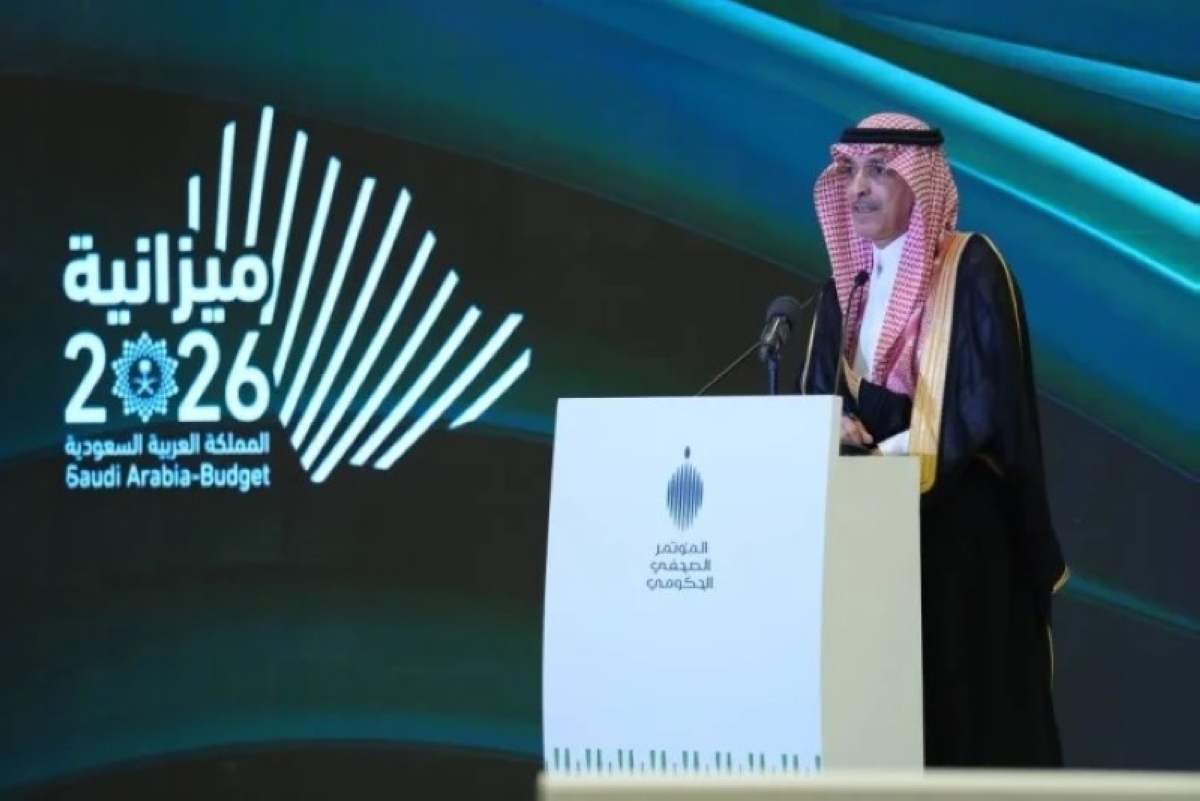

Saudi Arabia’s ambitious Vision 2030 plan is entering a new phase, with the government signaling a continued commitment to significant investment and economic diversification. Finance Minister Mohammed Al-Jadaan announced Tuesday that 2026 will mark the beginning of the “maximizing impact” phase of the plan, following approval of the fiscal year 2026 budget by the Cabinet in Dammam. This shift suggests a focus on realizing returns from prior investments and solidifying the Kingdom’s non-oil economic growth.
The Next Phase of Vision 2030: Maximizing Impact
Al-Jadaan highlighted the Kingdom’s substantial progress in diversifying away from oil revenue in recent years, stating that Saudi Arabia remains on track to meet the overarching goals of Vision 2030. The approved 2026 budget demonstrates the continued prioritization of strategic expenditure on development projects aligned with sectoral strategies and the wider Vision 2030 framework. This commitment follows statements from Crown Prince Mohammed bin Salman emphasizing the government’s dedication to improving the lives of its citizens.
Progress and Key Indicators
The finance minister expressed satisfaction with the current level of achievement within the Vision 2030 initiative, reportedly at 93 percent of established indicators. This early period of the plan involved considerable economic reforms and transitions, paving the way for broader changes. According to the Ministry of Finance, these changes are already beginning to yield visible results in several key areas.
One notable area of progress is the increase in non-oil exports, which Al-Jadaan described as undergoing a significant transformation. While acknowledging the time required for full industrial cycles to materialize, he indicated that the initial effects of these diversification efforts are becoming apparent. This growth in exports is a primary component of the country’s economic diversification strategy.
Strategic Deficit and Debt Management
Saudi Arabia continues to operate with a budget deficit, but Al-Jadaan described it as “strategic and targeted.” The rationale behind the deficit, the minister explained, is to fund projects designed to generate economic returns exceeding the cost of borrowing. This approach reflects a calculated risk, prioritizing long-term growth over immediate fiscal balance.
Despite ongoing debt and deficits, the Kingdom’s sovereign credit rating has reportedly been upgraded this year, suggesting international confidence in its economic management. The government intends to maintain its investment spending as long as the projected economic benefits outweigh borrowing costs. This commitment to expansionary fiscal policy signals a willingness to leverage debt for strategic growth initiatives, a key aspect of Saudi Arabia’s economic reform.
Focus on Citizen Welfare and Resilience
The government’s primary objective remains enhancing services for Saudi citizens. Consistent funding will be allocated to crucial sectors like education, healthcare, and social programs. Simultaneously, projects focused on improving government infrastructure and services across the Kingdom are expected to proceed.
Al-Jadaan further emphasized the country’s ability to manage external shocks and maintain economic stability. He stated that the government has successfully mitigated the impacts of geopolitical uncertainties, demonstrating the resilience of the Saudi economy. The declining trend in oil production has prompted a need for consistent government spending to bolster the economy and reassure investors. This strategy is connected to broader efforts at fiscal sustainability.
Additionally, the budget aims to avoid a cyclical economic downturn by proactively maintaining spending levels. This signals a move away from reactive fiscal measures towards a more proactive and stabilizing approach.
The minister noted that growth in non-oil revenue is expected to significantly contribute to overall economic performance, stating the government’s efforts are focused on strengthening the underlying economy to further increase these revenues. A stronger economy inherently leads to a larger non-oil revenue base, creating a virtuous cycle of growth and fiscal improvement.
Looking ahead, the focus will be on ensuring that the investments made under Vision 2030 translate into tangible benefits for citizens and sustainable economic growth. The success of the “maximizing impact” phase will depend on the efficient implementation of projects and the realization of anticipated returns. The timeframe for observing these returns—and any potential course corrections—remains a key point to monitor as the Kingdom moves past 2026.
The next critical step involves detailed sectoral plans outlining how the strategic spending will be deployed to achieve specific targets within Vision 2030. The performance of key non-oil sectors, such as tourism, manufacturing, and technology, will be closely watched to assess the effectiveness of the diversification strategy and the overall success of the initiative.