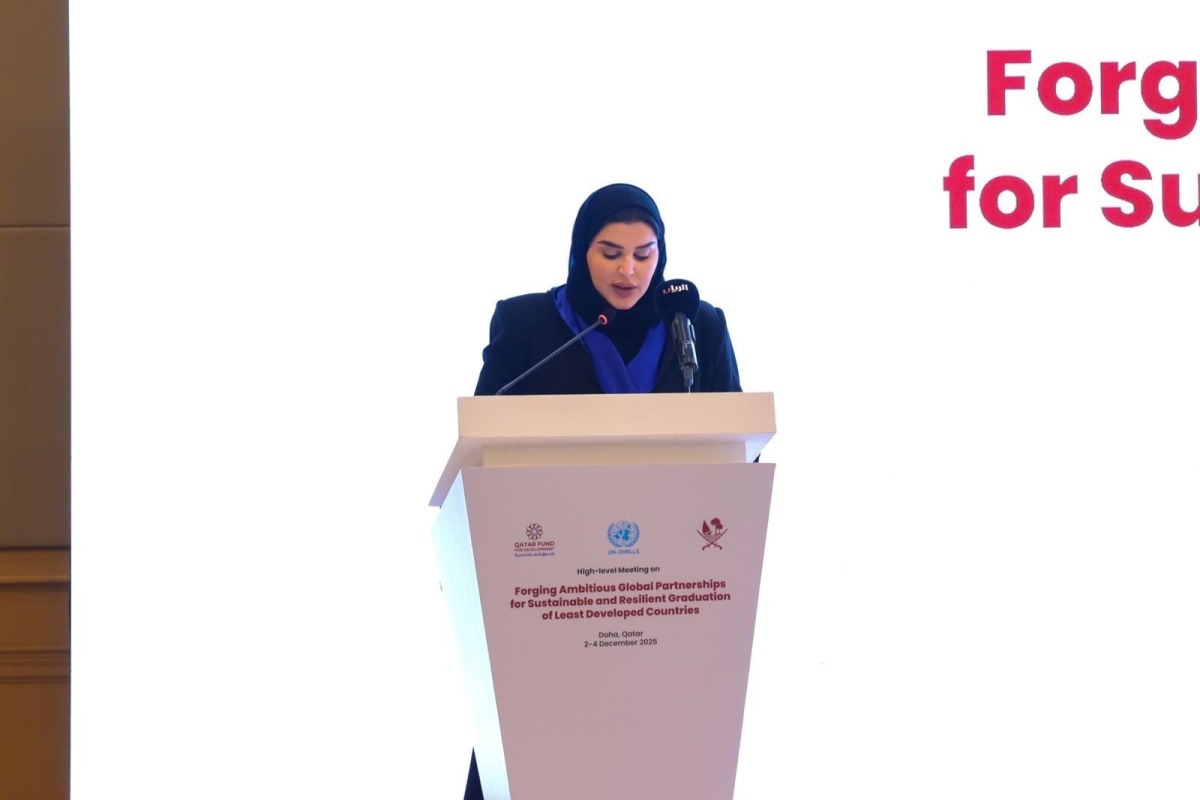

Doha, Qatar – A high-level meeting focused on supporting Least Developed Countries (LDCs) opened today, bringing together international officials and representatives from the State of Qatar. The gathering, hosted in Doha, aims to address the critical challenges faced by LDCs and to mobilize resources for sustainable development. Qatar reaffirmed its commitment to bolstering international cooperation and providing aid to these nations during the opening session.
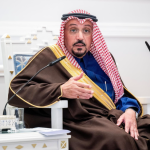
Sheikh Thani bin Hamad Al-Thani, Chairman of the Board of Directors of Qatar Fund for Development, and several other distinguished officials were present at the opening of the meeting. The State of Qatar emphasizes that investment in LDCs, especially in areas like digital transformation and capacity building, is essential for their long-term progress and eventual graduation from LDC status.
The Critical Need for Supporting Least Developed Countries
Minister of State for International Cooperation, Dr. Maryam bint Ali bin Nasser Al-Misnad, delivered the opening address, highlighting the urgency of the situation. She stated that LDCs are currently grappling with significant hurdles to progress, including economic instability, climate vulnerability, and limited access to technology. However, she also emphasized the considerable potential for development within these countries if provided with the necessary support.
According to the United Nations, LDCs comprise over 40% of the global population, yet account for less than 2% of world trade and receive only around 15% of global foreign direct investment. This disparity underscores the significant gap in resources and opportunities.
Innovation as a Key Driver
Dr. Al-Misnad stressed that traditional development policies are no longer sufficient to address the complexities of modern challenges. She posited that innovation—encompassing digital transformation, human capital development, and novel financing mechanisms—is crucial for unlocking the potential of Least Developed Countries.
This emphasis on innovation aligns with broader international trends toward leveraging technology for developmental gains. Experts note that targeted investments in digital infrastructure and skills training can significantly boost economic productivity and improve access to essential services in LDCs.
The Importance of Multilateral Cooperation and Financing
The Qatari Minister underscored that sustainable development requires a collaborative global approach. Multilateral cooperation, characterized by a shared international vision, equitable financing for development, and strong institutions, is the foundation for success. The State of Qatar has consistently supported the United Nations’ efforts and programs designed to assist LDCs.
Qatar’s ongoing contributions to international aid organizations and its direct investments in LDCs demonstrate its commitment to this principle. The country’s philanthropic organizations also play a role in providing humanitarian assistance and supporting long-term development projects.
Furthermore, Dr. Al-Misnad reiterated her country’s belief that these nations possess considerable untapped potential. Enabling digital transitions and strengthening their internal capabilities are considered vital steps toward reaching a “graduation” status, affording them greater economic independence.
The meeting also addressed the need for a more inclusive global economy, aiming to ensure that LDCs fully participate and benefit from international trade and investment. The goal, according to participants, is a future where no one is left behind, and all countries have the opportunity to achieve sustainable prosperity. This speaks to the broader UN Sustainable Development Goals, particularly Goal 1 which focuses on ending poverty in all its forms.
Qatar expressed confidence in achieving meaningful outcomes from the meeting. The nation intends to continue its collaborative spirit with the international community to provide aid and support for these developing economies. They aim to continue playing a key role in bridging the gap for Least Developed Countries and ensuring they have the proper advantages to build a self-sustaining economy.
The meeting is expected to conclude with a series of recommendations aimed at strengthening international support for LDCs. Follow-up actions will likely include enhanced resource mobilization efforts, increased technical assistance, and the development of tailored strategies to address the specific needs of individual countries. The implementation of these recommendations and the extent to which they translate into tangible progress in LDCs remains to be seen, and will be a crucial area to monitor in the coming months.