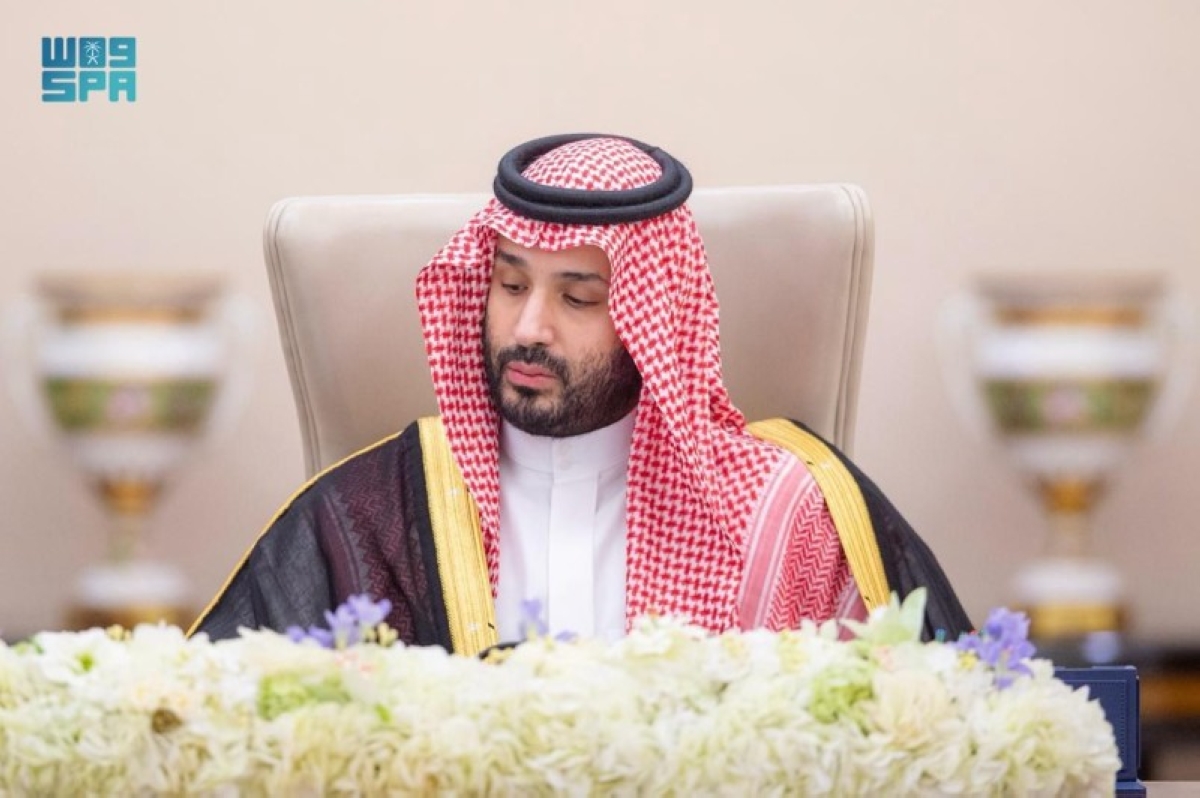

Saudi Arabia’s 2026 budget, unveiled Tuesday in Dammam, projects revenues of SR1.147 trillion and expenditures of SR1.312 trillion, resulting in a deficit of SR165.4 billion. Approved by the Council of Ministers chaired by Crown Prince Mohammed bin Salman, the financial plan prioritizes continued investment in Vision 2030 initiatives while aiming for fiscal sustainability. The budget signals a commitment to economic diversification and social programs within the Kingdom.
The announcement, made by the Saudi Press Agency, details a projected economic growth rate of 4.6 percent for 2026. This growth is expected to occur alongside a budget deficit representing 3.3 percent of the nation’s Gross Domestic Product (GDP). Public debt is forecast to reach SR1.622 trillion, equivalent to 32.7 percent of GDP, according to the Ministry of Finance.
Understanding the Saudi Arabia 2026 Budget
The 2026 budget reflects the ongoing transformation of the Saudi economy under Vision 2030, a strategic framework launched in 2016. This plan aims to reduce the Kingdom’s reliance on oil revenue and develop a more diversified, sustainable economy. The budget’s allocation of resources demonstrates a continued focus on achieving these long-term goals.
Key Spending Areas
A significant portion of the budget will be directed towards development projects aligned with sectoral strategies and Vision 2030 programs. Finance Minister Mohammed Al-Jadaan emphasized the government’s commitment to strategic spending in these areas. Specifically, the budget prioritizes enhancing the quality of essential services and advancing large-scale “giga-projects” – ambitious infrastructure and development initiatives.
These giga-projects, such as NEOM and the Red Sea Project, are intended to attract foreign investment, create jobs, and boost tourism. However, the substantial investment required for these projects contributes to the projected budget deficit. The Ministry of Finance stated the government remains focused on enhancing spending efficiency to mitigate this.
Fiscal Sustainability and Debt Management
Maintaining the Kingdom’s financial position and ensuring fiscal sustainability are central objectives of the 2026 budget. The government intends to achieve this by maintaining sustainable levels of public debt and preserving substantial financial reserves. This approach is crucial given the volatility of global oil markets and the need for long-term economic stability.
The projected public debt of SR1.622 trillion represents an increase from previous years, but remains within what the Ministry of Finance considers a manageable range relative to GDP. The government is actively working to diversify revenue streams beyond oil to reduce its dependence on hydrocarbon income and improve its debt profile.
Economic Outlook and Vision 2030
The projected 4.6 percent economic growth for 2026 is a positive indicator, suggesting that Vision 2030 initiatives are beginning to yield results. This growth is expected to be driven by non-oil sector expansion, including manufacturing, tourism, and technology. However, achieving this growth rate will depend on a number of factors, including global economic conditions and the successful implementation of ongoing reforms.
The budget also acknowledges the importance of social programs and citizen well-being. Crown Prince Mohammed bin Salman directed ministers to prioritize citizens’ needs in the implementation of the budget. This focus on social welfare is intended to ensure that the benefits of economic development are shared broadly across the population.
Additionally, the Kingdom is actively pursuing foreign direct investment (FDI) to support its economic diversification efforts. Attracting FDI is seen as crucial for funding Vision 2030 projects and creating new economic opportunities. The government has implemented a number of reforms to improve the investment climate and make Saudi Arabia a more attractive destination for foreign capital.
In contrast to previous years, the 2026 budget demonstrates a more realistic assessment of revenue projections, taking into account potential fluctuations in oil prices. This pragmatic approach reflects a growing maturity in the Kingdom’s fiscal planning process. The Ministry of Finance is committed to transparency and accountability in the management of public finances.
Looking ahead, the implementation of the 2026 budget will be closely monitored by investors and international financial institutions. The next key step will be the detailed allocation of funds to specific projects and programs. The success of Vision 2030 hinges on the effective execution of these initiatives. Uncertainties remain regarding global economic conditions and the potential impact of geopolitical events, which could affect the Kingdom’s economic outlook.