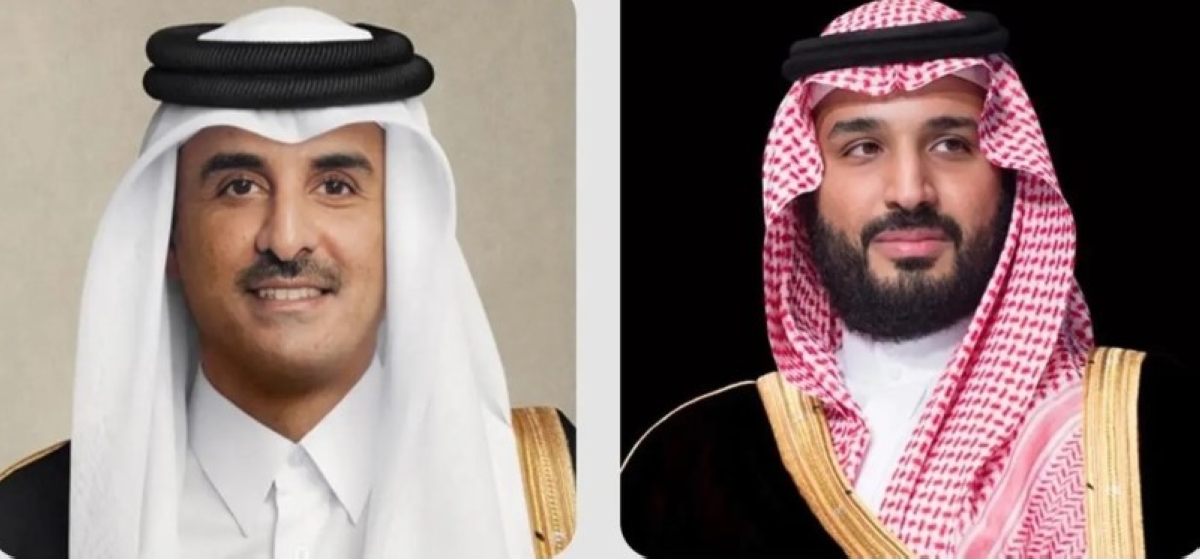

RIYADH – A message from Qatari Emir Sheikh Tamim bin Hamad Al Thani, focused on bolstering Saudi-Qatar relations, was delivered to Saudi Crown Prince and Prime Minister Mohammed bin Salman this week. The message, received on Tuesday in Riyadh, signals a continued push for strengthened ties between the two Gulf nations following a period of strained diplomatic relations. This latest development underscores ongoing efforts to resolve regional disputes and promote stability within the Gulf Cooperation Council (GCC).
Deputy Minister of Foreign Affairs Waleed Al-Khereiji accepted the message during a meeting with the Qatari Ambassador to Saudi Arabia, Bandar bin Mohammed Al Attiyah. Discussions during the encounter centered on current bilateral ties and exploration of opportunities for expanded cooperation in multiple sectors, according to a statement released by the Saudi Ministry of Foreign Affairs. The meeting also included discussion of matters of mutual regional and international interest.
Improving Saudi-Qatar Relations: A Recent History
The exchange of this message is the latest chapter in a significant improvement of relations between Saudi Arabia and Qatar. Diplomatic and economic ties were severed in June 2017 by Saudi Arabia, the United Arab Emirates, Bahrain, and Egypt, all accusing Qatar of supporting terrorism and having overly close relations with Iran. Qatar consistently denied these accusations, characterizing the blockade as a violation of its sovereignty.
However, a breakthrough came in January 2021 with the signing of the AlUla Declaration at the GCC summit hosted in Saudi Arabia. This agreement formally ended the blockade, paving the way for the restoration of diplomatic relations and air travel. The resolution, brokered in part by the United States and Kuwait, aimed to present a united front against common regional challenges, including Iran’s nuclear program and ongoing conflicts in Yemen and Libya.
Areas of Potential Cooperation
Since the lifting of the blockade, both Saudi Arabia and Qatar have focused on rebuilding trust and identifying areas for increased collaboration. Several key sectors are being highlighted for potential partnership.
Energy cooperation has been a prominent theme, with both nations being major producers of oil and natural gas. Increased investment and joint ventures within the energy sector are anticipated, potentially bolstering global supply and stabilizing prices. The focus on energy aligns with Saudi Arabia’s “Vision 2030” plan, which emphasizes diversification of the national economy.
Furthermore, trade and investment are expected to increase significantly. The reopening of land and sea borders has facilitated the movement of goods and people, fostering renewed economic activity. Recent data indicates a substantial rise in bilateral trade following the resolution of the dispute. Experts also note potential in tourism.
Regional security is another crucial area of discussion. Both countries share concerns about instability in the broader Middle East and recognize the need for coordinated efforts to counter shared threats. This includes addressing issues related to terrorism, maritime security, and the proliferation of weapons.
Despite the positive momentum, challenges remain. While diplomatic channels are open, underlying differences in regional policy and perspectives on issues like the conflict in Yemen continue to exist. Qatar has maintained its own independent foreign policy, engaging with various actors in the region, a point that has historically caused friction with Saudi Arabia and its allies. Differences regarding the role of political Islam also represent a potential point of contention.
Additionally, the full restoration of economic ties will take time. Businesses on both sides need to rebuild relationships and assess new opportunities in the post-blockade environment. Logistical hurdles related to transportation and customs procedures also need to be addressed to ensure smooth trade flows. Establishing a stable Gulf cooperation framework will require sustained commitment and willingness to compromise from both sides.
The delivery of the Emir’s message follows a series of high-level meetings between Saudi and Qatari officials in recent months, including discussions between Foreign Minister Prince Faisal bin Farhan and his Qatari counterpart, Mohammed bin Abdulrahman Al Thani. These interactions demonstrate a proactive approach to nurturing the improving relationship and addressing any emerging concerns. Enhanced diplomatic engagement is key to maintaining the current trajectory.
Experts observing the Arab world suggest that Saudi Arabia is seeking to consolidate its position as a regional leader by fostering stability and resolving disputes with its neighbors. The strengthened ties with Qatar fit into this broader strategy, allowing Saudi Arabia to present a more unified front on key regional issues. This push for reconciliation is also driven by external factors, including the need to address shared security concerns and the desire to attract foreign investment.
Looking ahead, the focus will likely be on implementing the agreements reached during the AlUla Declaration and translating them into concrete projects and initiatives. Further high-level meetings are expected in the coming months to discuss specific areas of cooperation and address any remaining obstacles. The success of this endeavor will depend on the continued commitment of both Saudi Arabia and Qatar to prioritize dialogue and mutual understanding. The timeline for fully realizing the benefits of improved relations remains uncertain, but the current momentum suggests a positive outlook.