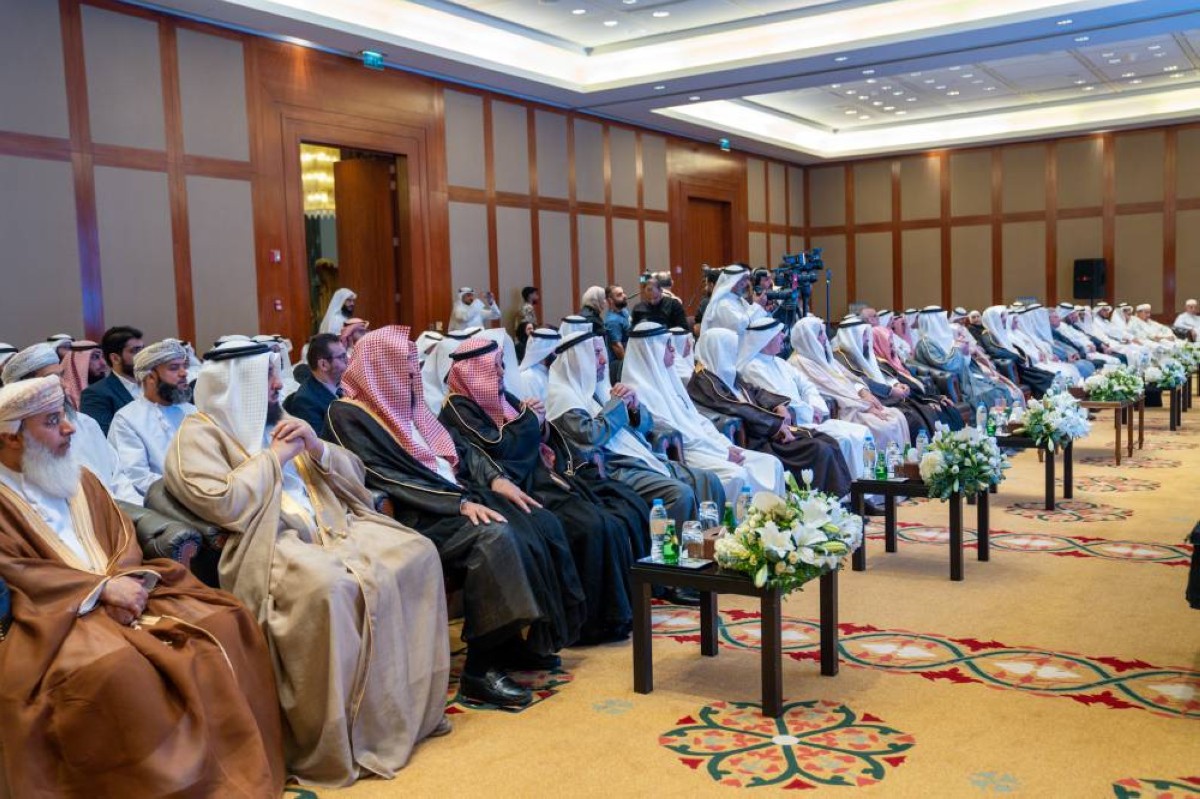

Kuwait consistently demonstrates a deep commitment to humanitarian aid and charitable giving, principles deeply rooted in Islamic tradition. This dedication was recently underscored at the opening of the 29th Symposium on Contemporary Zakat Issues in Kuwait City, where Minister of Awqaf and Islamic Affairs Dr. Mohammad Al-Wasmi affirmed the central role of charitable work in both domestic and foreign policy. The symposium, a key event for Islamic finance and social welfare, highlights Kuwait’s ongoing efforts to refine and modernize its approach to Zakat, a cornerstone of Islamic economic principles.
Kuwait Reaffirms Zakat as a Pillar of National Policy
Dr. Al-Wasmi, speaking on behalf of His Highness the Prime Minister Sheikh Ahmad Abdullah Al-Ahmad Al-Sabah, emphasized that Kuwait’s generous spirit and commitment to aiding those in need are direct reflections of the nation’s leadership and the inherent compassion of its people. He positioned charitable work not merely as an act of kindness, but as a fundamental component of Kuwait’s national identity and global standing.
This commitment extends beyond simple financial assistance. The symposium itself is viewed as a vital bridge, connecting the timeless wisdom of Islamic legal texts with the complex realities of the 21st century. Dr. Al-Wasmi described these gatherings as a strategic investment in “intellectual capital,” fostering innovation and enhancing the impact of Zakat within society.
The Role of Intellectual Investment in Modernizing Zakat
The symposium’s focus on contemporary issues demonstrates a proactive approach to ensuring the continued relevance of Islamic finance. Rather than adhering rigidly to tradition, Kuwait is actively seeking ways to adapt Zakat principles to modern economic landscapes, including navigating the complexities of digital assets and new investment vehicles. This forward-thinking approach is crucial for maximizing the effectiveness of charitable giving in a rapidly changing world.
Kuwait Zakat House: A Model of Efficiency and Transparency
A key player in Kuwait’s charitable landscape is the Kuwaiti Zakat House. Dr. Al-Wasmi lauded the organization for establishing itself as a benchmark for efficiency and transparency in the collection and distribution of Zakat and Sadaqah funds. The Zakat House isn’t simply collecting donations; it’s actively developing innovative solutions to address evolving needs and ensure resources reach those who require them most.
Director General of the Kuwaiti Zakat House, Dr. Majid Al-Azmi, further emphasized the importance of continuous adaptation. He highlighted how the annual symposium ensures that Zakat jurisprudence remains responsive to modern developments while staying firmly grounded in foundational religious principles. This balance is essential for maintaining public trust and maximizing the positive impact of Zakat initiatives.
Addressing Contemporary Challenges in Islamic Finance
Dr. Al-Azmi underscored the principle of “collective wisdom,” explaining how the gathering of scholars and experts facilitates the development of informed recommendations and rulings. This collaborative approach is particularly important when addressing complex issues like Zakat on Sukuk (Islamic bonds), venture capital, and the rapidly expanding world of digital assets.
He stressed that Islamic finance must provide practical, Sharia-compliant solutions for these contemporary challenges. Ensuring that funds are properly directed to those in need requires a nuanced understanding of modern financial instruments and a commitment to upholding the highest ethical standards. The symposium’s discussions are therefore vital for clarifying guidelines and promoting best practices within the sector.
Zakat: A Comprehensive Socio-Economic System
Both Dr. Al-Wasmi and Dr. Al-Azmi consistently framed Zakat not just as a religious obligation, but as a powerful socio-economic system. Dr. Al-Wasmi articulated that Zakat embodies a profound Islamic vision for comprehensive and sustainable development, functioning as both an economic and social mechanism to redistribute wealth, alleviate poverty, and strengthen social cohesion.
Dr. Al-Azmi echoed this sentiment, stating that Zakat promotes solidarity, combats poverty, and ensures fair wealth distribution, ultimately enhancing societal stability. This holistic view underscores the importance of Zakat in fostering a just and equitable society, aligning with Kuwait’s broader commitment to social welfare and charitable giving.
In conclusion, the 29th Symposium on Contemporary Zakat Issues served as a powerful reminder of Kuwait’s unwavering dedication to charitable work and its commitment to modernizing Islamic finance. By fostering intellectual exchange, promoting transparency, and adapting to contemporary challenges, Kuwait is solidifying its position as a leader in the global effort to alleviate poverty and promote social justice through the principles of Zakat and responsible financial stewardship. Further research into the symposium’s outcomes and the Kuwaiti Zakat House’s initiatives can be found on their official websites, offering valuable insights into the evolving landscape of Islamic philanthropy.