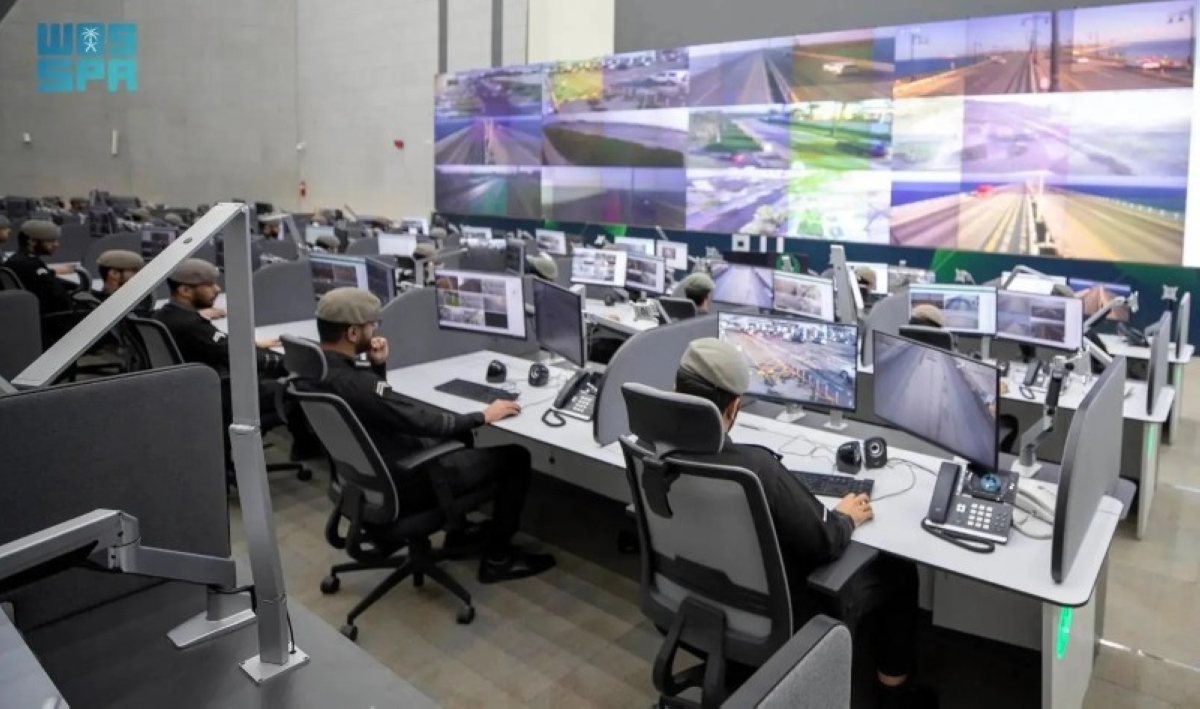

Saudi Arabia’s unified emergency number, 911, received over 2.7 million calls in November across the regions of Makkah, Madinah, Riyadh, and the Eastern Province, the Ministry of Interior announced. This substantial volume highlights the increasing reliance on the 911 system for immediate assistance in a variety of situations. The National Center for Security Operations (NCSO) manages calls and dispatches appropriate services using automated systems and a multilingual team working 24/7.
The majority of calls originated in the Riyadh region, totaling 1,152,187, followed by Makkah with 837,867. Madinah recorded 219,633 calls, while the Eastern Province handled 510,531. These figures represent a significant workload for emergency responders throughout these key areas of the Kingdom. The NCSO aims to streamline the emergency response process and improve public safety.
The Expanding Role of 911 in Saudi Arabia
The 911 service was first launched in Saudi Arabia in 2019 as part of the Kingdom’s Vision 2030, a strategic framework to reduce reliance on oil, diversify the economy, and develop public service sectors. The introduction of a unified emergency number sought to consolidate various emergency lines and create a more efficient system. The NCSO has been progressively rolling out the service region by region.
Rapid Response Times Enabled by Technology
A key feature of the 911 centers is their technological infrastructure. According to the Ministry of Interior, calls are answered within an average of two seconds, and relevant agencies receive reports within 45 seconds. This speed is crucial in critical situations, from medical emergencies to security incidents. The automated systems help prioritize calls and get help to those who need it most quickly.
Additionally, the NCSO employs a dedicated team proficient in multiple languages to ensure effective communication with the diverse population of Saudi Arabia. This linguistic capability minimizes misunderstandings and facilitates accurate information gathering during emergencies. The ability to respond in a caller’s native language is especially important during highly stressful events.
The system isn’t limited to handling calls directly from individuals. It also integrates with smart city initiatives and receives automated alerts from various sensors and systems, such as fire alarms and traffic monitoring cameras. This proactive approach helps identify potential emergencies before they are reported by citizens and allows for faster intervention.
Coordination with Security and Service Agencies
The NCSO’s function extends beyond receiving calls; it also serves as a central coordination point for various security and service agencies, including the police, civil defense, ambulance services, and electricity and water authorities. This integrated approach ensures a seamless and coordinated response to emergencies. The centers monitor the overall security situation in each region and collaborate with relevant bodies to address evolving needs.
However, the implementation of a nationwide 911 system presents ongoing challenges. Maintaining consistent service quality across all regions, particularly in areas with limited infrastructure, requires continued investment and training. The Ministry of Interior acknowledged the need for ongoing improvement to address these regional variations.
The successful operation of the 911 centers also relies heavily on public awareness regarding the appropriate use of the emergency number. Misuse of 911, such as prank calls or reporting non-emergency situations, can tie up valuable resources and delay response times for genuine emergencies. Public education campaigns are a constant undertaking.
Beyond the immediate response, the data collected by the 911 system is also used for analysis and planning. By identifying patterns and trends in emergency calls, authorities can better allocate resources, improve preventative measures, and enhance overall public safety strategies. This includes evaluating the effectiveness of existing services and identifying areas where further investment is needed. The analysis of emergency calls can reveal areas where public safety resources are stretched thin.
The increasing adoption of the emergency services number also reflects a growing emphasis on citizen safety and security within the Kingdom. Saudi Arabia has been investing heavily in technology and infrastructure to bolster its emergency response capabilities, and the 911 system is a central component of this effort. This commitment to public safety is aligned with the broader goals of Vision 2030.
Looking ahead, the NCSO plans to expand the 911 service to cover all regions of Saudi Arabia, a process expected to be completed within the next year. The Ministry of Interior has not specified a precise timeline beyond this general goal, citing logistical and infrastructural considerations. Further development will likely focus on integrating more advanced technologies, such as artificial intelligence and geographic information systems, to optimize emergency response and improve situational awareness. The nationwide rollout of 911 services is a major undertaking.
The success of the expansion will depend on sustained investment in training, technology, and infrastructure, as well as continued efforts to educate the public about the proper use of the emergency number. It remains to be seen how the system will adapt to the unique challenges and demands of each region. Monitoring the speed and efficiency of call handling and response times, especially during peak periods, will be crucial to assess the overall performance of the national 911 network.