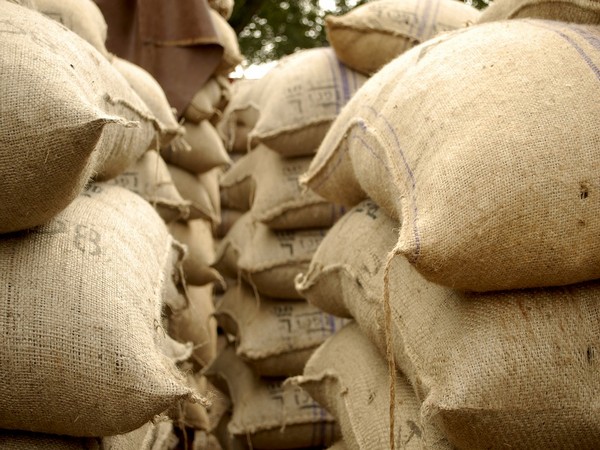

India is poised to achieve unprecedented success in agricultural production, with Prime Minister Narendra Modi announcing a historic record of foodgrain production reaching 357 million tonnes in 2025. This milestone signifies a substantial leap forward for the nation’s food security and economic growth, building on a decade of consistent progress in the agricultural sector. The announcement, made during the 128th episode of his monthly radio program, Mann Ki Baat, underscores the government’s commitment to empowering farmers and fostering sustainable agricultural practices.
Historic Foodgrain Production: A Decade of Growth
The Prime Minister highlighted the remarkable increase in India’s foodgrain production over the past ten years, noting a surge of 100 million tonnes. This represents a significant achievement, demonstrating the effectiveness of various government initiatives and the dedication of Indian farmers. This growth isn’t just about quantity; it’s about strengthening the nation’s resilience against food shortages and contributing to global food security.
This increase is particularly noteworthy considering the challenges faced by the agricultural sector, including climate change and fluctuating market prices. The government’s focus on improving irrigation facilities, providing access to quality seeds and fertilizers, and promoting modern farming techniques has played a crucial role in boosting yields. Furthermore, schemes like the PM-Kisan Samman Nidhi have provided direct financial assistance to farmers, enabling them to invest in their farms and improve their livelihoods.
The Rise of Natural Farming in India
Beyond simply increasing output, PM Modi’s address emphasized a shift towards more sustainable and eco-friendly agricultural practices, specifically natural farming. He shared his impressions from the recent Natural Farming Exhibition in Coimbatore, Tamil Nadu, expressing his enthusiasm for the growing number of young professionals embracing this method.
Coimbatore Summit Highlights
The Prime Minister’s visit to Coimbatore wasn’t just a symbolic gesture. He actively participated in the South India Natural Farming Summit, engaging with local farmers and inspecting the exhibition showcasing innovative agricultural products and techniques. The summit, held from November 19-21 and organized by the Tamil Nadu Natural Farming Stakeholders Forum, aimed to accelerate the adoption of natural and regenerative farming across the country.
This included a focus on:
- Creating robust market linkages for farmer-producer organizations.
- Showcasing advancements in organic inputs and agro-processing.
- Promoting eco-friendly packaging solutions.
- Highlighting the potential of indigenous agricultural technologies.
The enthusiasm for natural farming, particularly among the youth, is a promising sign for the future of Indian agriculture. It suggests a growing awareness of the long-term benefits of sustainable practices, including improved soil health, reduced reliance on chemical inputs, and enhanced biodiversity. This aligns with the broader global movement towards sustainable agriculture and responsible food production.
PM-Kisan Samman Nidhi: Supporting the Farmers
The government’s commitment to supporting farmers extends beyond promoting new farming techniques. The PM-Kisan Samman Nidhi scheme, which provides financial assistance to eligible farmers, continues to be a vital lifeline for millions of agricultural households.
Just prior to the Coimbatore summit, PM Modi released the 21st installment of the PM-Kisan Samman Nidhi, directly benefiting a large number of farmers. This financial support empowers farmers to invest in their land, purchase necessary inputs, and improve their overall productivity. The scheme is a testament to the government’s understanding of the challenges faced by the agricultural community and its dedication to their welfare.
Implications for India’s Food Security and Economy
The projected foodgrain production of 357 million tonnes in 2025 has far-reaching implications for India’s food security and economic growth. A surplus in foodgrain production not only ensures that the nation can meet the dietary needs of its growing population but also creates opportunities for exports, boosting the country’s foreign exchange reserves.
Furthermore, increased agricultural productivity can lead to higher incomes for farmers, stimulating rural demand and contributing to overall economic development. The shift towards organic farming and natural farming practices also has the potential to create new jobs in the rural economy, particularly in the areas of organic input production and certification. This focus on sustainability is crucial for ensuring the long-term viability of the agricultural sector and protecting the environment for future generations.
In conclusion, India’s anticipated record foodgrain production in 2025 is a landmark achievement that reflects the dedication of its farmers and the effectiveness of government policies. The growing emphasis on sustainable agricultural practices, like natural farming, coupled with continued support through schemes like PM-Kisan Samman Nidhi, positions India for a future of food security, economic prosperity, and environmental sustainability. It’s a moment to celebrate the progress made and to reaffirm the commitment to building a stronger and more resilient agricultural sector for the benefit of all Indians. We encourage readers to learn more about the PM-Kisan Samman Nidhi and explore opportunities to support sustainable farming initiatives in their communities.