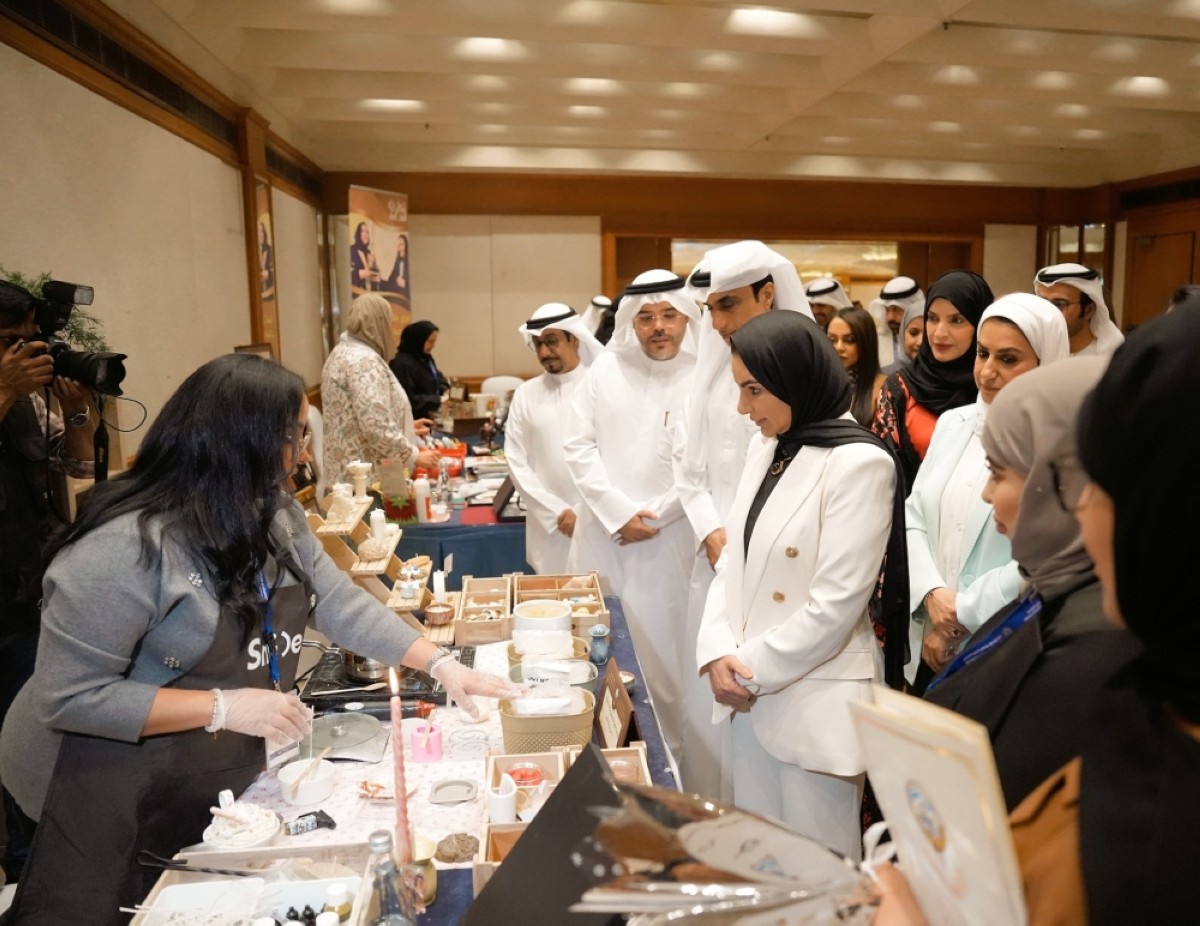

Kuwait is championing a new era of economic growth driven by individual initiative and technological empowerment, particularly through the flourishing sector of home-based businesses across the Gulf Cooperation Council (GCC). This commitment was underscored at the First Gulf Forum for Building the Capacities and Skills of Home-Based Business Owners, hosted in Kuwait City on Sunday, with a strong message emphasizing that the future of the Gulf economy lies in nurturing creativity at the grassroots level. The forum signifies a pivotal shift in economic thinking, recognizing the immense potential of entrepreneurs operating from their homes to contribute significantly to regional prosperity.
The Rise of Home-Based Businesses in the GCC
Dr. Amthal Al-Huwailah, Kuwait’s Minister of Social Affairs, Family and Childhood Affairs, opened the forum with a powerful assertion: GCC citizens are no longer simply seeking employment but are proactively forging their own economic pathways. She highlighted that Gulf homes are now incubators for innovation, fostering a wave of promising projects born from individual ideas. This sentiment reflects a growing understanding of the necessity to diversify economies beyond traditional oil-based revenues.
The forum, a collaborative effort between the Ministry of Social Affairs, the Executive Office of the Council of Ministers of Labor and Social Affairs of the GCC States, and the Federation of GCC Chambers, aims to be more than a platform for sharing experiences. It’s intended to create tangible momentum for a future defined by collaboration, dynamism, and the collective belief in the Gulf’s entrepreneurial capabilities.
Empowering Entrepreneurs Through Skill Development
A central theme emerging from the forum is the critical need for equipping home business owners with modern skills, particularly in the digital realm. Dr. Al-Huwailah rightly pointed out that digital literacy is no longer optional but fundamental. Mastering digital tools grants access to wider markets and allows small ventures to scale into substantial economic players. Kuwait is actively responding to this need by prioritizing high-quality training, stimulating innovation, and streamlining procedures to encourage participation in an innovation-driven economy.
Fostering a Unified Gulf Vision for Entrepreneurship
The participation of representatives from the GCC Executive Office and the Federation of GCC Chambers demonstrates a unified regional approach to supporting small business initiatives. Mohammed Al-Obaidli, Director General of the Executive Office, praised Kuwait’s leadership in fostering cooperative efforts and emphasized the vital role of home-based businesses in achieving social sustainability and empowering families.
He described the forum as a crucial “practical link” connecting entrepreneurs with essential resources – financing, training in areas like digital marketing, and technological solutions designed for scalability. This connection is critical for addressing the challenges faced by those transitioning from informal home operations to formal, thriving businesses.
The Role of Chambers and Financial Inclusion
Noura Al-Salem, Assistant Secretary-General of the Federation of GCC Chambers, underscored the increasing importance of small and micro-enterprises, including home-based ventures, as key engines of growth within the GCC. Their impact goes beyond economic gains, extending to empowering women, increasing family involvement in economic activity, and pioneering new, digitally-focused business models.
The forum’s agenda is designed to build a comprehensive Gulf platform offering integrated support – training, capacity building, and crucially, financial inclusion. This holistic approach aims to leverage successful strategies, facilitate knowledge exchange, and strengthen partnerships between those providing assistance and the entrepreneurs who need it most. A roadmap is being developed, focusing on integrating these enterprises into the digital economy to broaden their reach and maximize their potential.
Forum Highlights and Future Roadmap
The first day of the forum included insightful dialogue sessions. The initial session, “Leading Experiences of Home-Based Businesses and Gulf Entrepreneurship,” showcased inspiring success stories while acknowledging the obstacles these ventures encounter when seeking market access. The second session, “Areas of Support and Empowerment for Home-Based Businesses,” provided a platform for GCC Ministries of Social Affairs and Development to share best practices.
Monday’s schedule focuses on actionable strategies with three working sessions. These will delve into “From Home to Market: Economic Empowerment of Home-Based Businesses in the Digital Age,” “The Role of Chambers of Commerce in Supporting Emerging Projects,” and “Sustainability of Home-Based Businesses,” including essential strategies for marketing and resolving commercial disputes.
The overall goal is to establish an encouraging environment where creativity can flourish, backed by accessible training, robust digital infrastructure, and unwavering support.
Conclusion
The First Gulf Forum for Building the Capacities and Skills of Home-Based Business Owners represents a significant investment in the future of the GCC economy. By recognizing the value of home-based businesses and providing the necessary tools and support, Kuwait and its GCC partners are empowering citizens to become active drivers of innovation and sustainable growth. The forum’s emphasis on digital inclusion, skill development, and strengthened regional collaboration sets a promising precedent for fostering an entrepreneurial ecosystem that benefits both individuals and the broader Gulf region. This initiative isn’t just about launching businesses; it’s about building a more resilient, diversified, and prosperous future for generations to come. This collaborative drive signals an exciting transformation in the region, one driven by the ingenuity and ambition of its people.