






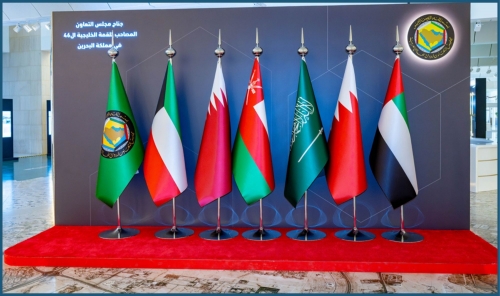

As Bahrain prepares to host the 46th Gulf Cooperation Council (GCC) Summit, the Kingdom is poised to be a central hub for critical regional discussions. With a rapidly evolving global landscape and ongoing efforts to secure peace in Gaza, the focus is firmly on Manama as leaders from across the Gulf convene to chart a course for future collaboration. This year’s summit underscores the enduring importance of the GCC Summit and its role in fostering stability and progress.
A Legacy of Unity: The History of the GCC
More than four decades have passed since the GCC was established in Abu Dhabi in 1981. Born from a desire for collective security and prosperity, the initial vision was remarkably straightforward: to forge a strong regional alliance based on shared heritage, cultural ties, and a common future. The founding members – Bahrain, Kuwait, Oman, Qatar, Saudi Arabia, and the United Arab Emirates – signed a charter committing to joint action for the benefit of their citizens.
This commitment arose during a period of considerable geopolitical uncertainty. Rather than succumb to division, the leaders of these nations chose the path of cooperation, laying the groundwork for what would become a highly influential force in the Middle East. The creation of the GCC was a proactive step towards self-determination and regional stability.
Building the Foundations: Early GCC Achievements
The GCC didn’t waste time in translating its vision into tangible results. Within its first year, the organization established key frameworks for closer collaboration.
Establishing Economic Ties
One of the earliest and most significant achievements was the Unified Economic Agreement in 1981. This agreement established a detailed plan for economic integration, streamlining trade and fostering economic growth across the member states. It aimed to create a common market and reduce barriers to investment, leading to greater prosperity for all.
Collective Security through the Peninsula Shield Force
Recognizing the need for a unified security approach, the GCC created the Peninsula Shield Force in 1982. This joint military unit exemplified the belief that the security of one Gulf state was inextricably linked to the security of all. It demonstrated a commitment to collective defense and regional stability, providing a deterrent against external threats.
These initial steps were pivotal, and the GCC quickly expanded its initiatives, connecting people through improved transportation, shared energy grids, expanding digital infrastructure, educational collaboration, and coordinated security measures. Member states actively worked together, harmonizing laws, safeguarding borders, and launching programs designed to reinforce the region’s social and economic fabric.
The Evolving Role of the GCC: Towards Greater Integration
Today, the Gulf Cooperation Council is at a crucial juncture, moving beyond simple cooperation towards deeper integration. Driven by the forward-thinking visions of their leaders, member states are aligning their development strategies, including ambitious plans for 2030 and 2050, to address the challenges and opportunities presented by global technological advancements, economic shifts, and the growing need for sustainable practices.
The prevailing sentiment within GCC councils and committees is clear: regional integration isn’t merely a desirable outcome, it’s a necessity for future success. This includes exploring greater financial coordination and developing unified approaches to emerging technologies like artificial intelligence.
The Significance of the GCC Summit in a Changing World
Throughout its 44-year history, the GCC Summit has consistently served as a vital platform for addressing critical issues and shaping the future of the region. These summits, whether scheduled or convened in response to urgent crises, have been instrumental in launching impactful policies and making decisive decisions that strengthen political, economic, and security ties. Each gathering has added a new chapter to the ongoing narrative of the Gulf’s shared destiny.
This year’s summit is particularly significant given the ongoing conflict in Gaza and the urgent need for a lasting peace. The GCC’s role in mediating and advocating for a resolution is paramount, and the discussions in Manama are expected to focus heavily on this critical issue. Furthermore, the summit will likely address broader regional security concerns, including maritime safety and counter-terrorism efforts.
Bahrain’s Role as Host and Champion of Gulf Unity
For Bahrain, hosting the 46th GCC Summit is more than just a diplomatic responsibility; it’s a testament to the Kingdom’s unwavering commitment to Gulf unity and collaborative action. Bahrain has consistently been a strong advocate for regional cooperation and has actively participated in GCC initiatives across various sectors. The nation’s strategic location and its long-standing tradition of diplomacy make it an ideal venue for fostering dialogue and building consensus.
The success of this summit will not only reinforce the GCC’s position as a key regional player but also demonstrate Bahrain’s dedication to a stable and prosperous future for the Gulf. The focus on regional stability and economic diversification will be key themes throughout the discussions.
In conclusion, the 46th GCC Summit represents a pivotal moment for the region. As leaders gather in Manama, they carry the weight of history and the responsibility of shaping a future defined by unity, cooperation, and resilience. The summit is a reminder of the enduring vision of the GCC and the ongoing commitment to building a stronger, more secure, and prosperous Gulf for generations to come. We can expect impactful decisions and renewed dedication to the principles that have guided the GCC for over four decades.