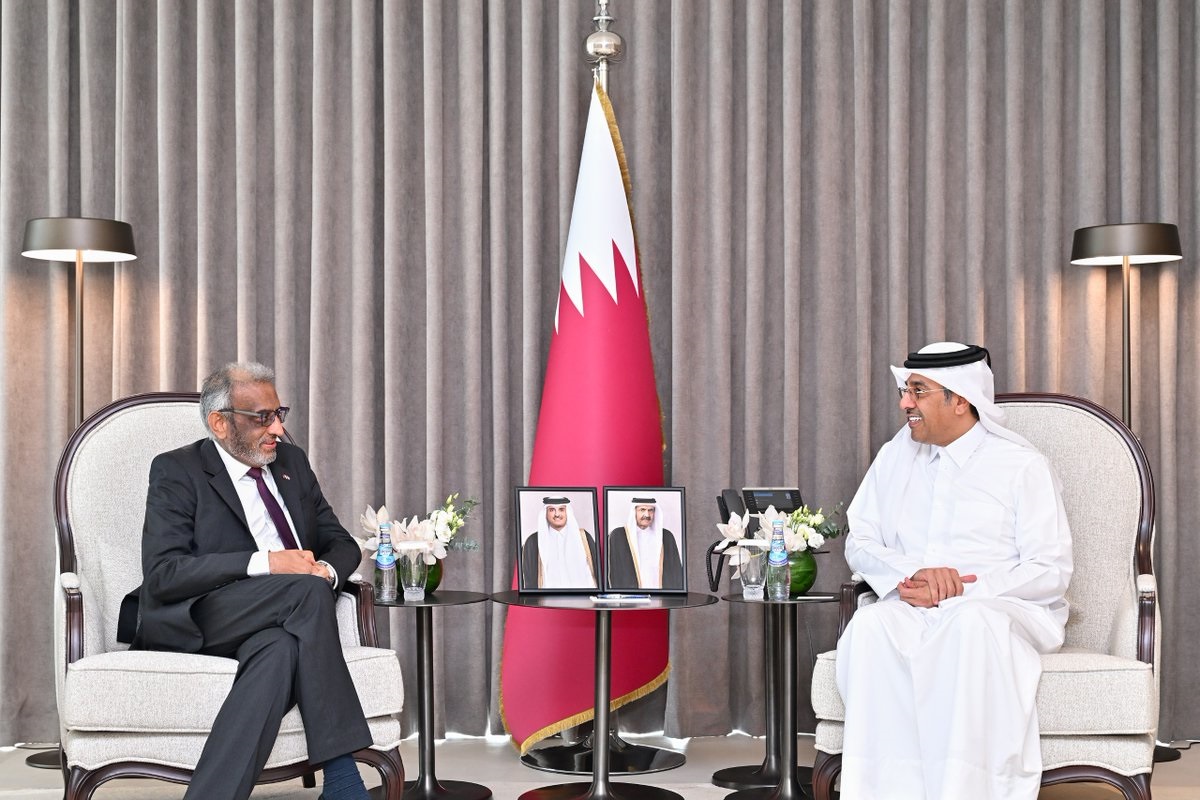

Doha, Qatar – Qatar and South Africa are seeking to bolster cooperation in the realm of labor relations, as evidenced by a recent meeting between Qatar’s Minister of Labor, HE Dr. Ali bin Smaikh Al Marri, and South African Ambassador to Qatar, HE Ghulam Hussain Ismail. The discussion centered on enhancing bilateral ties and identifying opportunities for mutual support and advancement within the labor sector. The meeting took place in Doha on December 2nd, 2023.
The officials explored potential avenues for collaboration, signaling a renewed focus on international partnerships to address evolving workforce challenges. Qatar’s Ministry of Labor has been actively working to refine its labor system in recent years amidst global scrutiny, while South Africa possesses significant experience in managing a diverse and substantial labor force.
Strengthening Qatar-South Africa Labor Relations
The core of the meeting involved identifying specific areas where Qatar and South Africa could mutually benefit from increased cooperation in labor relations. This includes potential knowledge sharing on labor law reforms, worker protection measures, and strategies for fostering a skilled workforce. Both nations have expressed commitment to upholding international labor standards, a shared value driving this collaboration.
Recent Labor Reforms in Qatar
Qatar has undertaken substantial labor market reforms, particularly in anticipation of and following hosting the FIFA World Cup 2022. These changes, according to the International Labour Organization (ILO), have included dismantling the *kafala* system, introducing a minimum wage, and improving mechanisms for labor dispute resolution. The country’s reforms have been aimed at attracting foreign workers and ensuring fair treatment.
South Africa’s Workforce Expertise
South Africa is a major economic power in Africa with a well-developed, though often challenging, employment landscape. The country has a long history of labor unions and collective bargaining, providing a wealth of experience in managing complex labor relations. This expertise could be valuable to Qatar as it continues to diversify its economy and attract a larger international workforce.
While the specific details of potential collaborative projects were not disclosed, the meeting suggests an interest in areas such as skills development and training programs. Qatar is focusing on developing a knowledge-based economy, requiring a highly skilled and adaptable workforce. Sharing best practices in vocational training and technical education could aid Qatar in achieving these goals.
Furthermore, discussions likely touched upon the challenges of ensuring worker welfare, especially in sectors reliant on migrant labor. Qatar’s ongoing efforts to combat human trafficking and enhance workplace safety could benefit from South Africa’s insights into managing large-scale migration flows and protecting vulnerable workers. Civil society groups have been actively monitoring labor conditions and advocating for worker rights in both countries.
The move towards stronger ties reflects Qatar’s broader strategy of diversifying its international partnerships beyond traditional allies. This strategy is driven by the country’s economic diversification plans and its commitment to promoting a positive image on the global stage. South Africa, positioned as a gateway to the African continent, presents a significant strategic opportunity for Qatar in terms of investment and trade.
The next step in this developing relationship is expected to be the formation of a joint working group to explore concrete areas for cooperation. A timeline for the establishment of this group has not been publicly announced, and the scope of collaboration remain subject to further negotiations. Observers will be watching closely to see if this dialogue translates into formal agreements and tangible projects that benefit workers in both nations and contribute to improved labor standards.