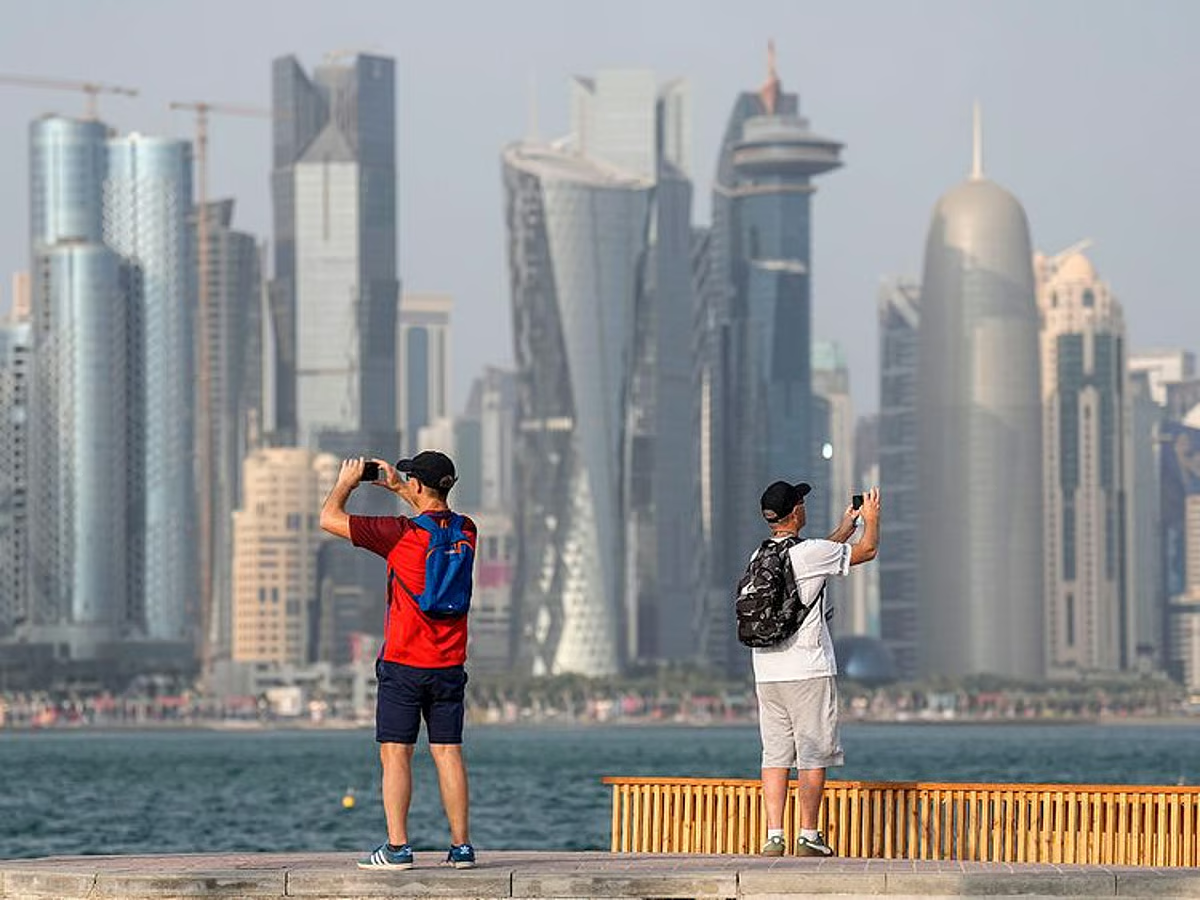

Qatar has significantly enhanced its Hayya visa program, extending its benefits beyond the duration of the FIFA World Cup 2022. As of February 1, 2024, residents of Gulf Cooperation Council (GCC) countries can avail themselves of the upgraded visa, offering expanded entry and stay privileges. The move aims to bolster tourism and strengthen economic ties within the region, according to statements from the Qatari Ministry of Interior.
The updated Hayya visa for GCC nationals removes previous restrictions tied solely to major events. It now functions as a permit allowing multiple entries for 90 days, with a potential extension for another 90 days. This expands opportunities for business travel, leisure, and family visits between Qatar and its GCC neighbors: Saudi Arabia, Kuwait, Bahrain, Oman and the United Arab Emirates.
Understanding the Upgraded Hayya Visa System
Previously, the Hayya visa was primarily known as the entry permit for attendees of the 2022 FIFA World Cup. It served as both a fan ID and a visa, streamlining the entry process for international visitors. Following the tournament, discussions arose regarding its future and potential to serve broader diplomatic and economic objectives.
The revised Hayya system represents a strategic shift. Rather than decommissioning the platform, Qatar has repurposed it to facilitate increased travel from the GCC region. This decision aligns with Qatar’s broader “Tourism Sector Strategy,” seeking to establish the country as a leading regional tourism destination.
Eligibility and Application Process
The new Hayya visa is open to citizens of GCC countries, excluding those requiring a traditional visa based on existing agreements. The application process remains predominantly digital, accessible through the Hayya portal or the Hayya app. Applicants need a passport with a validity of at least six months, a recent passport-sized photograph, and a valid residency permit in their respective GCC country.
According to the Ministry of Interior, the application is typically processed within 24 hours. Approval results in an electronic visa notification that can be presented at the point of entry. There is currently no fee associated with the Hayya visa for GCC residents.
Reasons Behind the Expansion of the Hayya Visa
Several factors contributed to Qatar’s decision to expand the utility of the Hayya visa. A primary driver is the desire to foster stronger relationships with neighboring Gulf states, particularly in the wake of improved diplomatic ties within the region. This expansion could be seen as a gesture of goodwill and a commitment to regional cooperation.
Additionally, Qatar is actively diversifying its economy away from reliance on hydrocarbons. Boosting tourism is a key component of this diversification strategy. The GCC represents a significant potential market for Qatari tourism, given the proximity, cultural similarities, and high disposable incomes in many of these countries.
The success of the Hayya platform during the World Cup also played a role. The system proved efficient and secure in managing a large influx of visitors. Leveraging this existing infrastructure for broader travel facilitation was a logical step. The Ministry of Interior highlighted the platform’s scalability and user-friendliness as key advantages.
Impact on Travel and Tourism
The upgraded Hayya visa is expected to have a noticeable impact on travel patterns between Qatar and the GCC. The extended validity and multiple-entry provisions will encourage more frequent and longer stays. This is particularly beneficial for business travelers and families who may have previously faced logistical hurdles or visa costs.
The tourism sector in Qatar is likely to see a corresponding increase in demand. Hotels, restaurants, and other tourism-related businesses could experience higher occupancy rates and revenue. The report indicates that Qatar is preparing for this influx by investing in new tourism infrastructure and promoting its cultural attractions.
However, the full extent of the impact remains to be seen. Factors such as regional economic conditions and geopolitical stability will also influence travel decisions. Competition from other regional tourism destinations will also be a consideration. The ease of obtaining a visa on arrival for some GCC nationals may also affect uptake.
Broader Implications for Regional Travel
Qatar’s move could potentially encourage other GCC countries to streamline their visa processes for regional travelers. A more interconnected and accessible travel environment would benefit all nations in the region, fostering economic growth and cultural exchange.
The initiative also aligns with broader trends towards digitalizing visa applications and border control procedures. The Hayya platform serves as a model for how technology can be used to simplify travel and enhance security. This could lead to the adoption of similar systems elsewhere in the region and beyond.
In contrast to previous restrictions, the new system offers a more flexible and welcoming approach to GCC residents. This shift in policy reflects Qatar’s evolving role as a regional hub for business and tourism. The Ministry of Foreign Affairs has also been actively promoting Qatar as a safe and attractive destination for visitors.
Looking ahead, the Qatari government will likely monitor the usage of the Hayya visa closely to assess its effectiveness. Further adjustments to the program, such as the introduction of fees or changes to eligibility criteria, are possible depending on the observed outcomes. The next key development will be the report on visa usage in the first quarter of 2024, expected by the end of April.
The long-term success of the Hayya visa program will depend on continued regional stability and the ability of Qatar to maintain its competitive edge as a tourism destination. Continued investment in tourism infrastructure and a proactive marketing strategy will be crucial for maximizing the benefits of this policy change.