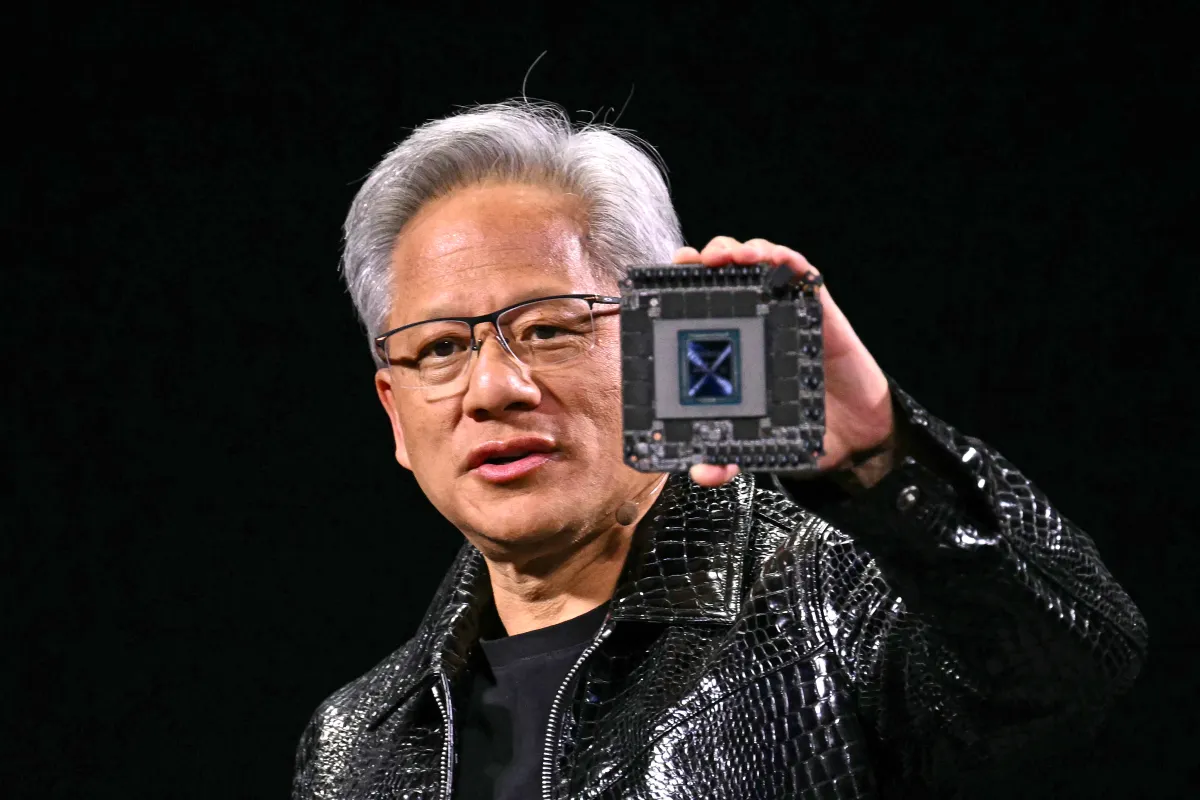

Nvidia’s strategic $2 billion investment in Synopsys, a key player in electronic design automation (EDA), signals a deepening collaboration within the semiconductor industry. This move aims to integrate Nvidia’s artificial intelligence capabilities directly into Synopsys’ chip design software, potentially revolutionizing the speed and efficiency of chip design. The announcement arrives amid growing scrutiny of concentrated investment within the AI ecosystem and concerns about a potential bubble.
The investment, made at $414.79 per share, was disclosed on Monday and represents a multi-year partnership between the two companies, according to official statements. Nvidia and Synopsys intend to jointly develop and optimize software, effectively transitioning Synopsys’ platform away from solely relying on central processing units (CPUs) to leverage the power of graphics processing units (GPUs). This shift is expected to accelerate complex chip-design workflows.
The Growing Importance of AI in Chip Design
The semiconductor industry is facing increasing pressure to innovate faster and produce more powerful and efficient chips. Traditional chip design processes are incredibly complex and time-consuming, often taking years and requiring significant computational resources. Integrating AI, particularly machine learning, into these processes offers the potential to automate tasks, optimize designs, and significantly reduce time-to-market.
Synopsys is a leading provider of EDA tools, which are essential for designing, verifying, and manufacturing semiconductors. These tools are used by virtually every major chipmaker globally. Nvidia, meanwhile, is the dominant force in the GPU market, and its hardware is increasingly utilized for AI workloads. Combining their strengths creates a powerful synergy.
Addressing Recent Challenges at Synopsys
The investment provides a boost to Synopsys following a recent earnings report that highlighted some headwinds. The company noted weakness in its intellectual property (IP) licensing segment, partially attributed to U.S. export restrictions impacting sales to certain customers. Additionally, issues with a major client reportedly contributed to the slower performance in this area.
The partnership with Nvidia is expected to offset some of these challenges by opening new avenues for growth and innovation. By focusing on AI-driven design solutions, Synopsys aims to diversify its offerings and reduce its reliance on traditional IP licensing.
However, the timing of the investment has also drawn attention. Major investors, including SoftBank and Peter Thiel, have recently reduced their holdings in Nvidia. This has led some analysts to question whether the company is overextended, despite its continued strong financial performance.
Scrutiny of Circular AI Investments
The Nvidia-Synopsys deal is part of a broader trend of strategic investments within the artificial intelligence industry. Companies are increasingly investing in each other, creating a network of interconnected dependencies. While such partnerships can foster innovation, they also raise concerns about potential anti-competitive practices and inflated valuations.
Analysts are beginning to scrutinize these “circular” investments, warning of a possible AI bubble. The concern is that companies may be overpaying for strategic assets, driven by fear of missing out (FOMO) and the hype surrounding AI. The ultimate test will be whether these investments translate into sustainable profitability and genuine technological advancements.
This move exemplifies the growing consolidation of power within the AI supply chain. Nvidia is not just a chip designer; it’s becoming a critical infrastructure provider for the entire industry, impacting everything from data centers to automotive technology to, now, the very creation of future chips. This increased influence is impacting the broader tech landscape.
The implications for competitors in the EDA space, such as Cadence Design Systems and Siemens EDA, remain to be seen. They will likely face increasing pressure to also integrate AI into their platforms and compete with the Nvidia-Synopsys offering. This competition could ultimately benefit end-users by driving down costs and accelerating innovation in semiconductor manufacturing.
The investment is not anticipated to face significant regulatory hurdles, at least initially. However, global regulators are increasingly focused on competition within the tech industry, and any moves that appear to stifle innovation or create monopolies will likely be met with scrutiny. Continued monitoring of antitrust concerns is necessary.
The collaboration goes beyond simply porting existing software to Nvidia GPUs. It aims to fundamentally reimagine the chip architecture and design process, leveraging the unique capabilities of AI to overcome limitations in traditional methods. This will likely involve developing new algorithms and tools specifically tailored for AI-assisted design.
Beyond improved efficiency, the integration of AI into chip design promises several other benefits, including reduced power consumption and increased performance. AI can analyze vast amounts of data to optimize chip layouts and identify potential bottlenecks, resulting in more efficient and powerful designs. These advancements are crucial for meeting the demands of applications like AI itself, and high-performance computing.
Looking ahead, the next step involves the actual integration of Nvidia’s AI software and hardware into Synopsys’ tools. The companies have not provided a precise timeline, but anticipate initial results within the next year. Key metrics to watch will include improvements in chip design cycle times, reductions in costs, and the emergence of new chip designs enabled by the partnership. The success of this collaboration hinges on effectively navigating the technical challenges of integrating these complex systems and realizing the promised benefits of AI-driven chip design.