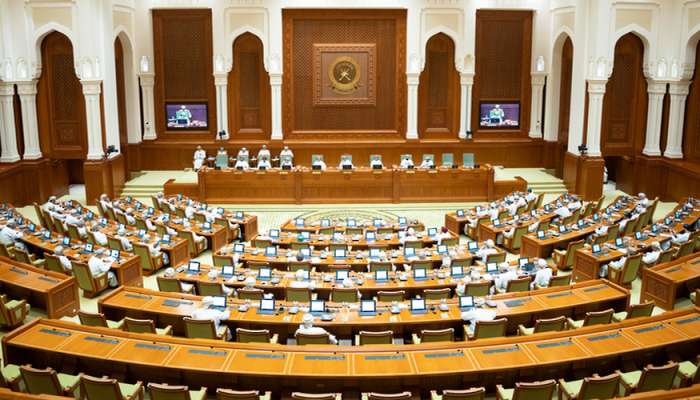

Oman is charting a course for sustained economic growth and diversification, as evidenced by the recent deliberations within the Shura Council. Members convened to meticulously review the Draft State General Budget for 2026 and the ambitious Eleventh Five-Year Development Plan (2026-2030), signaling a commitment to long-term planning and fiscal responsibility. This detailed examination, led by Chairman Khalid bin Hilal Al Maawali, underscores the government’s proactive approach to navigating global economic challenges and realizing the objectives of Oman Vision 2040.
Key Highlights of the Budget and Development Plan
The session, conducted in accordance with Article (52) of the Oman Council Law, featured presentations from Sultan bin Salim Al Habsi, Minister of Finance, and Dr. Said bin Mohammed Al Saqri, Minister of Economy. Minister Al Habsi’s statement focused on the positive economic indicators achieved in recent years, attributing them to the government’s strategic economic policies. These policies have demonstrably improved financial stability and enhanced the efficiency of public financial resource management.
Strengthening Oman’s Financial Position
A significant outcome of these policies has been the improvement of Oman’s credit rating and a notable reduction in public debt. This enhanced financial standing is crucial for attracting foreign investment, a key component of the nation’s diversification strategy. The Minister emphasized that structural reforms and fiscal balance programs have bolstered international confidence in the Omani economy, opening doors to new opportunities.
The Draft State General Budget for 2026 is built upon a foundation of careful estimations, including projected public revenues and expenditures, strategies for public debt management, anticipated oil prices, and potential inflation rates. Development and investment spending are prioritized, reflecting a commitment to building a robust and diversified economy. The discussion also acknowledged potential economic and financial risks in 2026, demonstrating a pragmatic approach to planning.
Prioritizing Social Welfare and Economic Diversification
The budget’s framework explicitly addresses the need for social protection, ensuring coverage for various segments of society. Maintaining adequate spending on essential services like education, healthcare, and housing remains a top priority. Furthermore, the plan aims to stimulate the national economy by actively promoting the growth of companies and projects that contribute to economic diversification. This includes fostering innovation and supporting sectors beyond oil and gas.
Minister Al Saqri’s presentation on the Eleventh Five-Year Development Plan (2026-2030) detailed the plan’s core themes and methodology. The plan is firmly aligned with the overarching goals of Oman Vision 2040, aiming to build a sustainable and diversified developmental economy.
A Sustainable Future: Clean Energy and Decentralization
A central tenet of the plan is the transition towards clean energy and the development of a low-carbon economy. This will be achieved through increased investment in renewable energy projects and the implementation of policies that incentivize the growth of green hydrogen and other alternative energy industries. The plan also emphasizes economic decentralization, empowering governorates to drive their own development initiatives. Improvements to the labor market, sustainable social development, and enhanced governance are also key objectives.
The methodology behind the Eleventh Five-Year Plan involved a thorough evaluation of the Tenth Plan (2021-2025), analyzing growth indicators across various sectors. This included assessing the investment environment, employment programs, infrastructure development, and relevant legislation.
Council Deliberations and Approvals
Following the ministerial presentations, Shura Council members engaged in a robust discussion, raising inquiries and offering observations regarding both the Draft State General Budget for 2026 and the Eleventh Five-Year Development Plan. The conversation centered on financial policies, the assumptions underpinning the budget, and its ability to withstand fluctuations in oil prices and global economic shifts.
Members also highlighted the importance of prioritizing developmental projects, understanding the impact of global economic trends on Oman, and expanding the reach of social protection programs. Intensifying efforts to employ Omani nationals and providing them with relevant training opportunities were also key areas of focus, alongside addressing the needs of those who have experienced job losses. The need for continued focus on economic diversification, particularly in sectors like manufacturing, tourism, the digital economy, and resource-based industries, was repeatedly emphasized.
Ultimately, the Council approved the report of the Economic and Financial Committee on the Draft State General Budget for 2026. This report, the result of diligent study and consultation with experts, provides a comprehensive assessment of the financial and economic landscape, offering recommendations that support national objectives and align with Oman Vision 2040.
The session also included a review of draft laws, including the Unified Law for International Land Transport among GCC States and amendments to the Personal Data Protection Law. Looking ahead, the Council is scheduled to discuss and approve the Draft Law on Sports Entities in its next session.
This thorough review process by the Shura Council demonstrates Oman’s commitment to responsible fiscal management and strategic planning, paving the way for a prosperous and sustainable future. The focus on Oman’s economy, diversification, and social welfare positions the Sultanate for continued growth and resilience in a rapidly changing global environment.