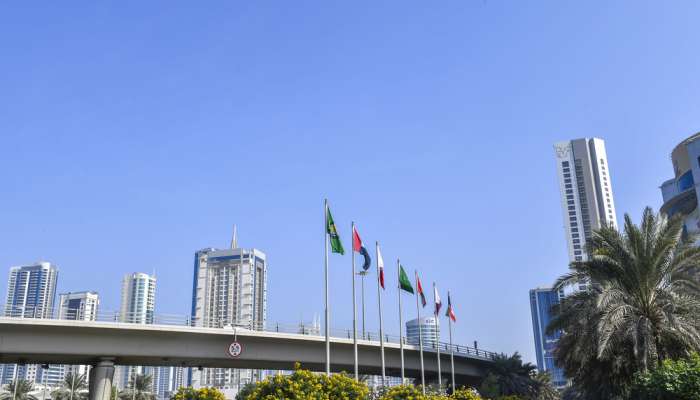

The forty-sixth Gulf Cooperation Council (GCC) Summit, set to convene this Wednesday in Manama, Bahrain, represents a crucial moment for deepening collaboration and integration among member states. With His Majesty Sultan Haitham bin Tarik of Oman leading the Sultanate’s delegation alongside other esteemed leaders, the summit underscores the collective desire for a more secure, prosperous, and unified Gulf region. The discussions will extend beyond immediate concerns to address long-term stability and economic advancement.
A Pivotal Gathering: Objectives of the GCC Summit
This year’s GCC Summit aims to comprehensively review the cooperative journey across political, economic, and security spheres. Guided by the directives of the Council’s leaders, the agenda reflects a commitment to addressing both internal challenges and navigating complex international and regional developments. A primary focus will be on fostering peace initiatives and establishing unified stances in response to evolving dynamics, demonstrating a proactive approach to regional stability.
Economic Integration and Growth: Key Priorities
The economic landscape of the GCC is a central theme of the summit. Recent data indicates a resilient performance, with aggregate real GDP growth reaching approximately 1.9 percent in 2024, largely driven by the non-oil sector’s robust 4.4 percent expansion. Projections forecast continued growth, reaching 2.8 percent in 2025, 3.7 percent in 2026, and finally 4.3 percent by 2027.
Investment and Diversification
This positive trend is supported by significant investments in key sectors like tourism, renewable energy, advanced technology, and manufacturing. The expansion of foreign direct investment (FDI), reaching US$523.4 billion in 2023 – representing roughly 5 percent of total global flows – signifies growing international confidence in the GCC’s business environment. Importantly, intra-Gulf investments have also seen substantial growth, increasing from US$88.2 billion in 2015 to US$130.3 billion in 2023.
Trade Resilience and Non-Oil Exports
Despite a slight decline in average oil prices, falling from US$82.5 per barrel in 2023 to US$80.5 in 2024, the GCC’s external merchandise trade demonstrated resilience with a 1.1 percent growth. A particularly encouraging sign is the marked increase in non-oil exports, highlighting the progress made in diversifying the economic base. The region’s logistical hubs also continue to support robust re-export activities.
Fiscal Performance and Financial Stability
GCC nations have shown a commitment to public financial discipline, with aggregate public revenues reaching approximately US$670.2 billion in 2024, a 2 percent annual increase. Public expenditure was recorded at US$659.3 billion. The growing contribution of non-oil revenues – bolstered by the implementation of VAT and improved fiscal collection through digital transformation – is a positive step towards sustainable financial management.
Strengthening Regional Security and Cooperation
Beyond economics, the GCC recognizes the paramount importance of regional security. The summit is expected to address pressing geopolitical challenges and coordinate strategies to safeguard stability. Emphasis will be placed on diplomatic solutions, mediation, and respect for state sovereignty. The need for close coordination to protect vital maritime passages and uphold international law will also be a key discussion point.
Key Initiatives: Gulf Railway and Unified Tourist Visa
Several landmark initiatives are poised to advance during the summit. The Gulf Railway project, a long-held ambition to physically connect all six member states, is nearing completion and anticipated for formal agreement signing. Furthermore, discussions are underway regarding the implementation of a unified Gulf tourist visa – often referred to as the “Gulf Schengen” – which would streamline travel and boost tourism within the region.
Oman’s Commitment to the GCC
The Sultanate of Oman, under the leadership of His Majesty Sultan Haitham bin Tarik, reaffirms its unwavering commitment to bolstering the Gulf Cooperation and strengthening collective action. Sheikh Ahmed bin Hashel Al Maskari, Head of the Department for the Gulf Cooperation Council and Regional Neighborhood, emphasized Oman’s belief in the importance of unity and a coordinated approach to regional challenges. Oman Vision 2040 is strategically aligned with the broader visions of fellow GCC states, prioritizing citizen welfare and quality of life.
Looking Ahead: A Unified Gulf Front
The GCC Summit in Bahrain provides a vital platform for crafting cooperative policies and strategic frameworks. As Dr. Youssef Abdulkarim Al Boujairi, Director General of Legal Affairs and Human Rights of Bahrain, noted, the summit aims to fulfill the aspirations of the leaders and the hopes of the people for greater progress and prosperity. By focusing on economic integration, regional security, and key infrastructure projects, the GCC is working towards a more unified and resilient future. The success of this summit will undoubtedly contribute to a more stable and prosperous Gulf region, and a stronger collective voice on the international stage.