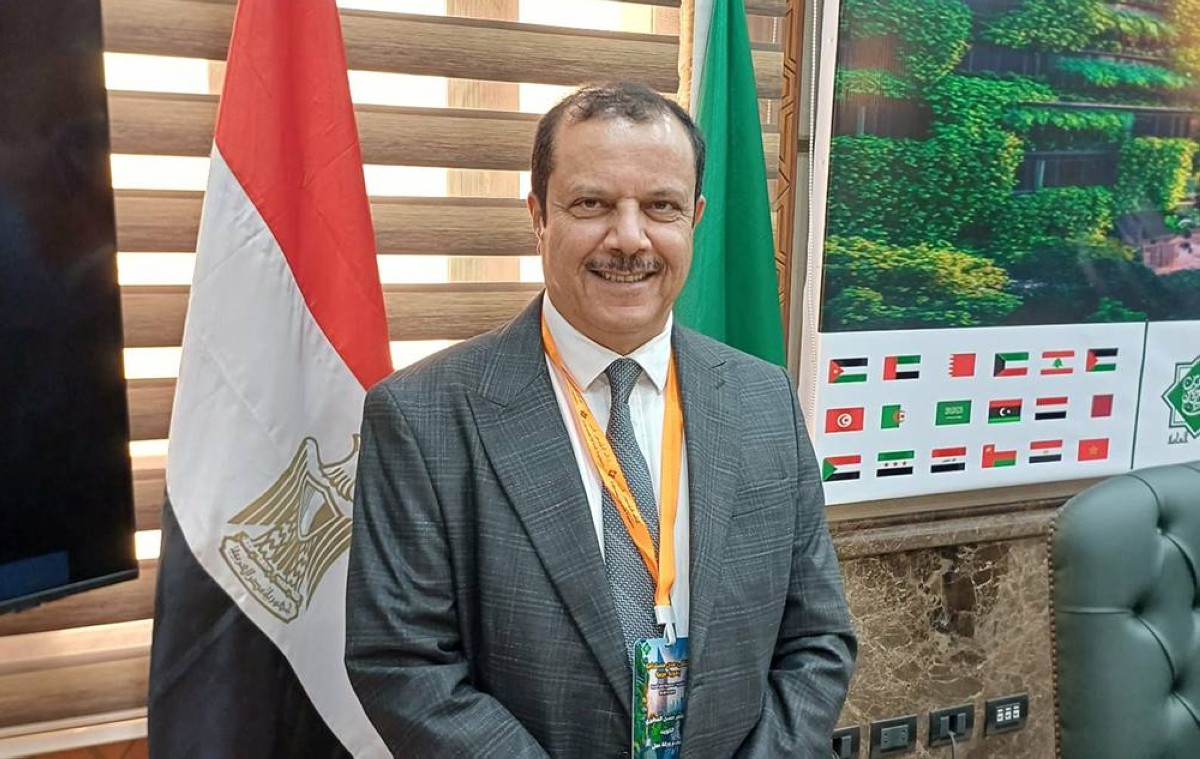

The rapid growth of cities across the Arab region presents both opportunities and challenges. Addressing these requires a fundamental shift towards sustainable urban development, a concept increasingly emphasized by engineers and policymakers alike. Recent discussions at the “Sustainable Cities with an Arab Identity” forum in Cairo, organized by the Federation of Arab Engineers and supported by the League of Arab States, underscored the vital need for innovation, resourcefulness, and a commitment to preserving cultural heritage while building for the future. The forum highlighted practical strategies and the importance of collaboration to achieve genuinely sustainable urban environments.
The Push for Sustainable Cities in the Arab World
The forum served as a platform for Kuwaiti engineers to voice their expertise on critical aspects of urban sustainability, from waste management to building materials and worker safety. The overarching theme was clear: the Arab region needs tailored solutions that balance modern technological advancements with the preservation of unique cultural identities. Simply adopting western models isn’t enough; a nuanced approach considering local climates, resources, and societal values is essential. This approach acknowledges the specific development needs of the region and seeks to create thriving, resilient cities for generations to come.
Transforming Waste Management Through Innovation
Engineer Aqeel Murad, a specialist in waste management, presented compelling arguments for revolutionizing how Arab cities deal with their refuse. His paper, “Modern Methods for Sustainable Waste Management – An Analytical Study on Modern Technologies and the Circular Economy,” championed a move away from traditional landfill systems and toward a circular economy.
He detailed successful global models applicable to the Arab world, including:
Key Technologies for a Circular Waste Economy
- Waste-to-energy incineration plants.
- Smart waste sorting systems, leveraging AI and automation.
- Plastic-to-petroleum conversion technologies.
- Organic waste treatment for producing valuable fertilizers and biofuels.
Murad stressed that shifting to these methods offers substantial benefits – not only reducing environmental impact but also generating economic opportunities and conserving crucial resources. The move towards waste recycling is central to this ambition, and requires dedicated investment and long-term planning.
However, he emphasized this transformation cannot happen in isolation. Genuine partnerships between government entities, the private sector, and local communities are paramount.
Building a Sustainable Future with Eco-Friendly Materials
Beyond waste management, the choice of building materials plays a pivotal role in sustainable urban development. Engineer Nasser Al-Mutairi, focused on the importance of environmentally friendly construction materials, presented his paper, “The Use of Sustainable Materials in Construction”.
His discussion centered on the principles of sustainability in architecture and the crucial need to prioritize materials with:
- Low embodied energy.
- Recyclability.
- Reduced environmental impact throughout their lifecycle.
Al-Mutairi rightfully argued that adopting these materials isn’t solely a technical issue but requires a concerted effort from all stakeholders. Governments need to incentivize their use, the private sector must prioritize sustainable sourcing, and society as a whole needs to embrace the change.
Prioritizing Occupational Safety in Sustainable Development
The forum also rightly brought to the forefront the often-overlooked aspect of worker safety and health. Engineer Hanan Al-Mohammad’s research, “Occupational Safety and Health and Integrated Strategies for Sustainable Development,” demonstrated the direct link between a safe working environment and overall sustainability.
Her proposed strategies included:
- Widespread community safety awareness programs.
- Implementation of modern management systems focusing on safety.
- Continuous professional training for workers.
- Leveraging advanced technologies to mitigate workplace risks.
Al-Mohammad highlighted that protecting workers isn’t just an ethical imperative—it also strengthens Arab identity by demonstrating a commitment to global standards and prioritizing human well-being within a broader sustainability framework. She urged Arab governments to establish clear policies supporting occupational safety and health, promoting innovation in work practices across all industries.
Embracing a Holistic Approach to Urban Sustainability
The “Sustainable Cities with an Arab Identity” forum provided a valuable insight into the challenges and opportunities facing the Arab region as it strives for more sustainable urban environments. The presentations from Kuwaiti engineers showcased a clear understanding of the need for integrated solutions that encompass not only technological advancements and resource management, but also social responsibility and the preservation of cultural identity. Sustainable urban development isn’t just about ‘going green’ – it’s about building cities that are economically viable, environmentally sound, and socially just.
Moving forward, the successful implementation of these strategies requires sustained commitment from all parties involved. Continued dialogue, knowledge sharing, and collaborative action will be essential to shaping a brighter, more sustainable future for cities across the Arab world. Further research and investment in innovative solutions, particularly around resource management and green building, will be key to achieving lasting impact and fostering resilient, thriving urban centers.