






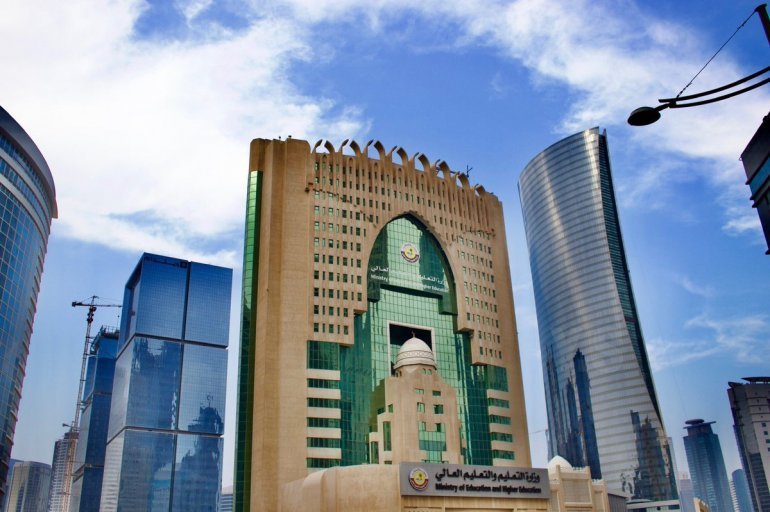

The Ministry of Education and Higher Education (MOEHE) in Qatar has announced the opening of applications for individuals seeking to establish and operate new private schools and kindergartens for the 2026-2027 academic year. This move aims to expand educational options within the country and meet the growing demand for diverse curricula. The application period begins December 7, 2025, and closes on January 7, 2026, and will be conducted entirely online through the MOEHE website.
Interested parties can submit their applications via the “Open a New Educational Institution” portal, according to a statement released by the ministry on Monday. The announcement signals a planned expansion of the private education sector in Qatar, which currently serves a significant portion of the country’s student population. Registration is open to prospective school owners seeking to offer a range of international and national educational programs.
Expanding Educational Opportunities: Private School Licensing in Qatar
This initiative by MOEHE reflects Qatar’s ongoing commitment to developing a robust and diverse education system. The country has been actively working to attract foreign investment in the education sector as part of its wider economic diversification plans. Demand for places in private schools is thought to be driven by a growing expatriate population and a preference for specific educational approaches.
The ministry has established clear requirements for applicants concerning ownership, building standards, and academic quality, aligned with the guidelines for issuing school licenses. These requirements are designed to ensure that new educational institutions meet established benchmarks for safety, educational effectiveness, and resource availability.
Eligibility Criteria for Applicants
Several general conditions must be met to be considered for a license. According to the ministry, applicants cannot be current employees of MOEHE or any of its related organizations. Additionally, applicants must be at least 21 years of age and provide a copy of their Qatari identification card. These criteria are typical for regulatory oversight of educational institutions.
Curriculum Prioritization and Geographic Demand
The ministry indicated a strategic prioritization of specific curricula based on identified needs across different municipalities. This means some applications will be viewed more favorably than others. The criteria are based on demographic trends and existing educational offerings.
Priority will be given to providers offering the Indian curriculum in Al Da’ayen municipality, where demand is reportedly high. Similarly, the Syrian curriculum will be prioritized in Doha municipality. Al Wakrah municipality is identified as having demand for the Egyptian, Pakistani, National Standards, and International Baccalaureate programs.
Furthermore, the Philippine curriculum is sought in both Al Wakrah and Al Da’ayen municipalities. The Tunisian curriculum is prioritized in Al Rayyan, while applications offering the American and French curricula will be favored in Al Da’ayen. This targeted approach aims to address specific gaps in educational provision within Qatar’s regions. The Ministry of Education website provides further details.
The availability of diverse international schools is a key factor for many families relocating to Qatar. This announcement is likely to be welcomed by expatriate communities who seek educational continuity for their children. However, the stringent requirements and prioritization process mean that not all applications will be approved.
The MOEHE has designated contact numbers – 44044906 and 44044881 – for individuals seeking further clarification regarding the application process. These resources are intended to help potential applicants navigate the requirements and prepare complete submissions. The country also offers investment opportunities in the education sector.
Following the application period, the Ministry of Education and Higher Education will review submissions against the established criteria. The timeline for subsequent decisions regarding licensing approvals is not currently specified. Stakeholders will be watching for further announcements detailing the specific review process and anticipated timelines for informing applicants of the outcomes of their submissions.
It remains to be seen how the prioritization of curricula will ultimately shape the educational landscape in Qatar. The volume and quality of applications received will also factor into the ministry’s decisions, influencing the actual number of new private schools opening in the 2026-2027 academic year.