
Bahraini businesses are often fueled by innovation and ambition, but navigating the financial landscape to secure growth can be a significant hurdle. Recent discussions in Parliament highlight a growing concern regarding access to trade credit for commercial establishments in Bahrain, with lawmakers actively seeking support from Tamkeen, the nation’s Labour Fund. This move aims to alleviate difficulties faced by companies reliant on bank financing and unlock further economic potential within the Kingdom.
Addressing the Trade Credit Gap for Bahrain Businesses
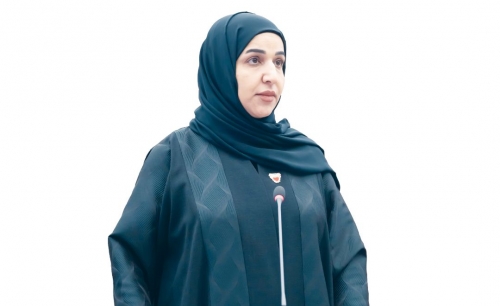
MPs Jaleela Alawi, Dr Hisham Al Ashiri, Najeeb Al Kuwari, Mohsen Al Asboul, and Mohammed Janahi have jointly proposed new programmes through Tamkeen specifically targeted at improving access to finance for businesses. The core issue revolves around the limited “approved lists” maintained by commercial banks, making it considerably harder for newer or smaller firms to qualify for essential business loans.
As Alawi explained, this selective lending practice often creates unnecessary delays and stifles growth. “This reluctance delays growth and holds back progress,” she stated, emphasizing that Tamkeen is uniquely positioned to broaden financial support and serve a wider range of registered commercial enterprises. The proposal isn’t about replacing bank lending, but rather complementing it to ensure a more robust and inclusive financial ecosystem.
Why are Banks’ Approved Lists Restrictive?
While the reasons for banks’ cautious approach aren’t explicitly detailed, it’s generally understood that stringent approved lists are risk mitigation strategies. Banks prioritize established businesses with proven track records and solid collateral. This leaves newer, potentially high-growth ventures, often lacking extensive credit history, struggling to access the capital needed to scale. The problem is particularly acute for small and medium-sized enterprises (SMEs), which constitute a vital segment of the Bahraini economy.
Tamkeen’s Existing Support and Potential Expansion
Tamkeen has responded positively to the proposal, reaffirming its commitment to assisting Bahraini businesses that meet its program requirements. The fund’s current initiatives are already designed to offer support throughout the entire business lifecycle – from initial conception to regional expansion. However, the MPs believe a more targeted approach is now needed to address the demonstrated difficulty in obtaining financing solutions.
Key Tamkeen Programmes Currently Available
Tamkeen offers a diverse portfolio of programmes aimed at fostering entrepreneurship and economic growth. Some of the most prominent include:
- Start Your Business: This programme provides grants covering up to 50% of start-up costs, designed to empower aspiring entrepreneurs and establish sustainable growth pathways.
- Business Growth: Focusing on established companies, this initiative offers grants of up to 50% to cover essential resources and services. This support is aimed at aiding businesses in expanding operations within Bahrain and venturing into international markets through increased export opportunities.
- Tayseer: A collaborative effort with local banks, Tayseer delivers funding solutions by covering up to 50% of a company’s profit costs. This mechanism aims to alleviate financial burdens and facilitate both establishment and expansion phases.
Parliamentary Support and Next Steps
The proposal has garnered significant support within Parliament, with the Services Committee recommending its approval. Every member present at the committee meeting voted in favour, citing the wide-ranging public benefit of improved access to finance for Bahraini businesses.
This endorsement signals a strong legislative push for expanding Tamkeen’s role in bridging the credit access gap. The next stage will likely involve further discussions on the specific design and implementation of any new programmes, ensuring they effectively address the concerns raised by lawmakers and businesses alike. The focus will be on creating schemes that are accessible, efficient, and aligned with Bahrain’s broader economic vision.
Additionally, exploring collaborative initiatives with banks, rather than working in isolation, could prove beneficial. This might involve risk-sharing mechanisms or incentives for banks to expand their approved lists to include promising new businesses.
In conclusion, the calls for Tamkeen to increase its support for businesses facing difficulties in securing trade credit represent a vital step in fostering a more dynamic and inclusive business environment in Bahrain. By addressing the barriers to financing, particularly for SMEs, the Kingdom can unlock its full economic potential and encourage sustainable growth for years to come. We encourage readers to visit the Tamkeen website (https://www.tamkeen.bh/) to learn more about available programs and assess their eligibility. Businesses are also encouraged to engage with their local MPs to share their experiences and contribute to the development of effective financial solutions.